1. Specifications Comparison
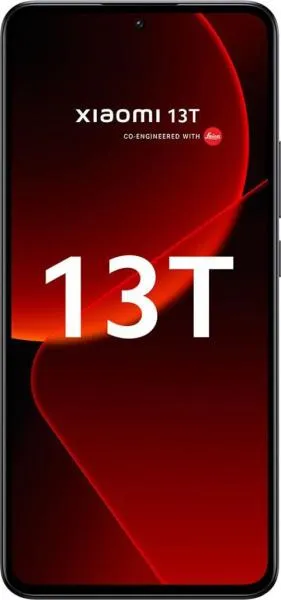
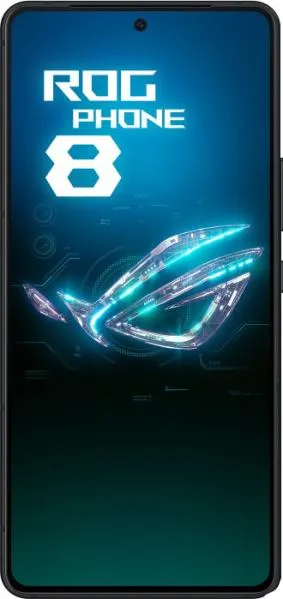
| Feature | Xiaomi 13T | Asus ROG Phone 8 | Practical Impact |
|---|---|---|---|
| Design | |||
| Dimensions | 162.2 x 75.7 x 8.5 mm | 163.8 x 76.8 x 8.9 mm | ROG Phone 8 is slightly larger and thicker. |
| Weight | 193g | 225g | ROG Phone 8 is noticeably heavier, potentially impacting one-handed use. |
| Display | |||
| Size | 6.67" | 6.78" | Negligible difference in screen real estate. |
| Type | AMOLED, 144Hz | LTPO AMOLED, 165Hz | Both offer vibrant colors and smooth scrolling. ROG Phone 8's LTPO panel allows for dynamic refresh rate adjustment, potentially saving battery. Its slightly higher refresh rate provides marginally smoother animations. |
| Resolution | 1220 x 2712 (1.5K) | 1080 x 2400 (FHD+) | Xiaomi 13T boasts a sharper display with higher pixel density (446 ppi vs 388 ppi), resulting in crisper text and images. |
| Peak Brightness | 2600 nits | 2500 nits | Both offer excellent outdoor visibility; the slight difference is unlikely to be noticeable in real-world usage. |
| Performance | |||
| Chipset | MediaTek Dimensity 8200 Ultra | Qualcomm Snapdragon 8 Gen 3 | Snapdragon 8 Gen 3 generally offers superior performance, especially in graphics-intensive tasks and sustained workloads. |
| CPU | Octa-core (1x3.1 GHz A78 & 3x3.0 GHz A78 & 4x2.0 GHz A55) | Octa-core (1x3.3 GHz X4 & 3x3.2 GHz A720 & 2x3.0 GHz A720 & 2x2.3 GHz A520) | ROG Phone 8's CPU architecture is more powerful and efficient. |
| GPU | Mali-G610 MC6 | Adreno 750 | Adreno 750 provides a significant advantage in gaming and other GPU-demanding applications. |
| RAM | 12GB | 16GB | More RAM in ROG Phone 8 allows for better multitasking and smoother performance with demanding apps. |
| Battery | |||
| Capacity | 5000 mAh | 6000 mAh | ROG Phone 8 offers longer battery life. |
| Camera | |||
| Video Capabilities | Up to 4K@30fps | Up to 8K@24fps | ROG Phone 8 offers higher resolution video recording capabilities. Missing details on sensor size and aperture prevent a comprehensive camera comparison. |
| Other | |||
| OS | Android 13 | Android 14 | ROG Phone 8 launches with a newer Android version, potentially offering more features and longer software support. |
2. Key Differences Analysis
Xiaomi 13T Advantages:
- Sharper Display: Higher resolution leads to a more detailed visual experience.
- Lighter and More Compact: Easier to handle and carry.
Asus ROG Phone 8 Advantages:
- More Powerful Performance: Snapdragon 8 Gen 3 and Adreno 750 GPU deliver superior gaming and overall performance.
- Larger Battery: Longer battery life for extended usage.
- Higher Refresh Rate: Smoother animations and scrolling, especially noticeable in gaming.
- More RAM: Enhanced multitasking capabilities.
- Newer Android Version: Access to the latest features and potentially longer software updates.
- Higher Resolution Video Recording: Ability to capture more detailed videos.
3. User Profiles & Recommendations
Xiaomi 13T: Suitable for users prioritizing a sharp display, a lightweight design, and general everyday tasks. Good for web browsing, social media, and casual gaming.
Asus ROG Phone 8: Ideal for gamers, power users, and content creators who demand top-tier performance, longer battery life, and the latest features.
4. Decision Framework
Key Questions for Buyers:
- What is your primary use case? (Gaming, content creation, everyday tasks)
- How important is battery life?
- What is your budget? (While both are mid-range, the ROG Phone 8 is likely to be more expensive).
Scenario-Based Recommendations:
- Gamer: ROG Phone 8
- Power User: ROG Phone 8
- Casual User: Xiaomi 13T
- User on a tighter budget: Xiaomi 13T
My Choice: Asus ROG Phone 8
While the Xiaomi 13T offers a compelling package with its sharp display and lighter weight, the Asus ROG Phone 8 is the clear winner for me. The significantly more powerful Snapdragon 8 Gen 3, coupled with the Adreno 750 GPU and 16GB of RAM, ensures a future-proof device capable of handling demanding tasks and games with ease. The larger battery capacity is crucial for extended use, and the newer Android version promises longer software support. Although the ROG Phone 8 is heavier, the performance benefits outweigh the slight increase in size and weight for my personal needs. I prioritize performance and longevity in a smartphone, making the ROG Phone 8 the better choice.
