1. Specifications Comparison
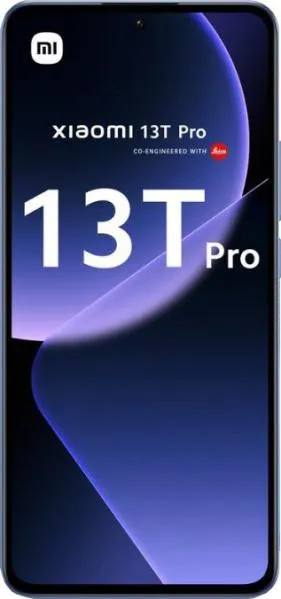
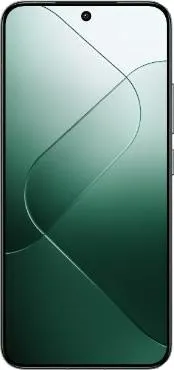
| Feature | Xiaomi 13T Pro | Xiaomi 14 | Practical Impact |
|---|---|---|---|
| Design | |||
| Dimensions | 162.2 x 75.7 x 8.5 mm | 152.8 x 71.5 x 8.2 mm | Xiaomi 14 is noticeably smaller and thinner, making it more pocketable and comfortable for one-handed use. |
| Weight | 200g | 188g | The Xiaomi 14 is lighter, reducing hand fatigue during extended use. |
| Display | |||
| Size | 6.67" | 6.36" | The 13T Pro offers a larger screen for more immersive media consumption, while the Xiaomi 14's smaller size enhances portability. |
| Type | AMOLED, 144Hz | LTPO OLED, 120Hz | Both offer vibrant colors and deep blacks. The 13T Pro's 144Hz provides smoother animations and scrolling, but consumes more power. The Xiaomi 14's LTPO panel allows for dynamic refresh rate adjustment, optimizing battery life. |
| Peak Brightness | 2600 nits | 3000 nits | The Xiaomi 14 can get slightly brighter, improving outdoor visibility in direct sunlight. |
| Resolution | 1220 x 2712 | 1200 x 2670 | Both offer sharp and detailed visuals; differences in resolution are negligible in real-world usage. |
| Performance | |||
| Chipset | Mediatek Dimensity 9200+ | Snapdragon 8 Gen 3 | Both are flagship chipsets offering top-tier performance. Snapdragon 8 Gen 3 is generally considered slightly more powerful and power-efficient. |
| CPU | Octa-core (1x3.35 GHz Cortex-X3 & 3x3.0 GHz Cortex-A715 & 4x2.0 GHz Cortex-A510) | Octa-core (1x3.3 GHz Cortex-X4 & 3x3.2 GHz Cortex-A720 & 2x3.0 GHz Cortex-A720 & 2x2.3 GHz Cortex-A520) | Both CPUs will handle demanding tasks with ease. The newer architecture of the Snapdragon 8 Gen 3 may offer slightly better sustained performance and efficiency. |
| GPU | Immortalis-G715 MC11 | Adreno 750 | Both GPUs provide excellent gaming performance. Adreno 750 generally benchmarks higher. |
| RAM | 12/16GB | 12GB | Both offer ample RAM for smooth multitasking. |
| Battery | |||
| Capacity | 5000 mAh | 4610 mAh | The 13T Pro has a larger battery capacity, potentially offering longer battery life. However, real-world battery life depends on usage patterns and software optimization. |
| Camera | |||
| Video Capabilities | 8K@24fps, 4K@60fps, ... | 8K@24fps, 4K@60fps, 960fps slow-mo... | Both offer a wide range of video recording options. The Xiaomi 14 boasts higher slow-motion capabilities (960fps vs 240fps). Specific image quality comparisons would require real-world testing. Missing details about camera sensor size and aperture prevent a comprehensive analysis. |
2. Key Differences Analysis
Xiaomi 13T Pro Advantages:
- Larger display for immersive media consumption.
- Higher refresh rate for smoother scrolling and gaming (though more power-hungry).
- Larger battery capacity for potentially longer battery life.
Xiaomi 14 Advantages:
- Smaller and lighter form factor for enhanced portability and one-handed use.
- More power-efficient LTPO display.
- Generally considered more powerful and efficient chipset (Snapdragon 8 Gen 3).
- Newer Android OS (Android 14).
- Superior slow-motion video recording capabilities.
3. User Profiles & Recommendations
Xiaomi 13T Pro: Users who prioritize a large display for media consumption, gaming, and multitasking, and value longer battery life over portability.
Xiaomi 14: Users who prefer a compact and lightweight phone for easy one-handed use, prioritize power efficiency and the latest technology, and value a slightly more premium feel.
4. Decision Framework
Key Questions:
- Do you prioritize a larger display or a more compact form factor?
- How important is battery life to you?
- Are you willing to pay a premium for the latest chipset and OS?
Scenario-Based Recommendations:
- Heavy media consumer/gamer: Xiaomi 13T Pro
- On-the-go professional: Xiaomi 14
- Budget-conscious user seeking flagship performance: Xiaomi 13T Pro (assuming it's priced lower)
My Choice: Xiaomi 14
While the Xiaomi 13T Pro offers a larger display and battery, I would choose the Xiaomi 14. The more compact form factor, lighter weight, power-efficient LTPO display, and the slightly more powerful and efficient Snapdragon 8 Gen 3 are compelling advantages for my personal usage. I prioritize portability, battery efficiency, and having the latest technology. The superior slow-motion video recording is a bonus. While I appreciate a large screen for media consumption, the Xiaomi 14's 6.36" display is still ample for most tasks, and the trade-off for a more comfortable in-hand experience is worthwhile for me. The slightly smaller battery capacity is mitigated by the more efficient processor and LTPO display technology.
