1. Specifications Comparison
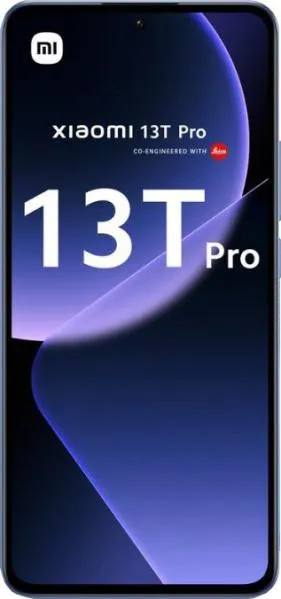
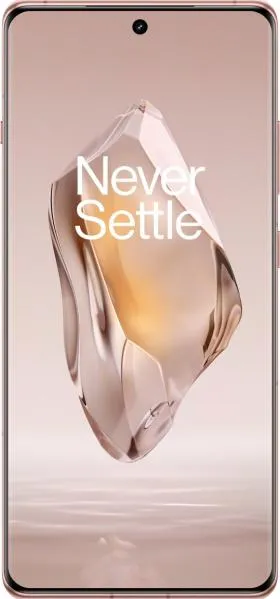
| Feature | Xiaomi 13T Pro | OnePlus 12R | Practical Impact |
|---|---|---|---|
| Design | |||
| Dimensions | 162.2 x 75.7 x 8.5 mm | 163.3 x 75.3 x 8.8 mm | Virtually identical in hand feel. |
| Weight | 200g | 207g | Negligible weight difference in practical use. |
| Display | |||
| Size | 6.67" | 6.78" | OnePlus 12R offers slightly larger screen real estate. |
| Type | AMOLED, 144Hz | LTPO4 AMOLED, 120Hz | Both offer vibrant colors and deep blacks. 13T Pro's 144Hz allows for smoother animations, but 12R's LTPO panel can dynamically adjust refresh rate for better battery life. |
| Peak Brightness | 2600 nits | 4500 nits | OnePlus 12R significantly brighter in direct sunlight. |
| Resolution | 1220 x 2712 | 1264 x 2780 | Both offer sharp visuals; differences are negligible in everyday use. |
| Performance | |||
| Chipset | Mediatek Dimensity 9200+ | Qualcomm Snapdragon 8 Gen 2 | Both are flagship-level chipsets, offering excellent performance. Snapdragon 8 Gen 2 generally benchmarks slightly higher in GPU performance. |
| CPU | Octa-core (1x3.35 GHz Cortex-X3 & 3x3.0 GHz Cortex-A715 & 4x2.0 GHz Cortex-A510) | Octa-core (1x3.2 GHz Cortex-X3 & 2x2.8 GHz Cortex-A715 & 2x2.8 GHz Cortex-A710 & 3x2.0 GHz Cortex-A510) | Both CPUs will handle demanding tasks with ease. Minor clock speed differences unlikely to impact real-world usage significantly. |
| GPU | Immortalis-G715 MC11 | Adreno 740 | Adreno 740 generally offers a slight edge in gaming and graphic-intensive tasks. |
| RAM/Storage | 12GB/512GB, 16GB/1TB | 16GB/256GB | 13T Pro offers more storage options; 12R comes with more RAM in its single configuration but less storage. Impact depends on user needs - heavy multitaskers might prefer the 12R's RAM, while those needing more storage would favor the 13T Pro. |
| Camera | |||
| Video Capabilities | 8K@24fps, 4K@60fps | 4K@60fps | 13T Pro offers 8K recording, though practical use is limited due to large file sizes. Both offer excellent 4K recording capabilities. We lack detailed camera sensor specs to make a thorough comparison. |
| Battery | |||
| Capacity | 5000 mAh | 5500 mAh | OnePlus 12R has a larger battery, potentially offering longer battery life. Real-world battery life will depend on usage patterns and software optimization. |
| Other | |||
| OS | Android 13 | Android 14 | 12R ships with a newer Android version, potentially offering newer features and longer software support. |
2. Key Differences Analysis
Xiaomi 13T Pro Advantages:
- Higher Refresh Rate Display: Smoother scrolling and animations.
- More Storage Options: Caters to users with large storage needs.
- 8K Video Recording: Offers higher resolution video recording, although practical benefits might be limited.
OnePlus 12R Advantages:
- Brighter Display: Significantly better visibility in bright sunlight.
- Larger Battery: Potential for longer battery life.
- Slightly More Powerful GPU: Advantage in gaming and graphics-intensive tasks.
- Newer OS: Latest Android features and potentially longer software updates.
3. User Profiles & Recommendations
Xiaomi 13T Pro: Users who prioritize a smooth display experience, require ample storage, and occasionally record 8K videos. Suitable for gamers who value high refresh rates over peak graphical performance.
OnePlus 12R: Users who prioritize bright outdoor visibility, long battery life, and top-tier gaming performance.
4. Decision Framework
Key Questions for Buyers:
- How important is outdoor visibility? If you frequently use your phone in direct sunlight, the 12R's brighter display is crucial.
- What's your priority: Smoothness or Battery Life? The 13T Pro offers a smoother display but might have slightly shorter battery life than the 12R.
- How much storage do you need? The 13T Pro offers more storage options.
My Choice: OnePlus 12R
While the Xiaomi 13T Pro boasts a higher refresh rate and more storage options, the OnePlus 12R offers a compelling combination of a brighter display, larger battery, a more powerful GPU (according to benchmarks), and a newer operating system. The slightly larger screen is a bonus. For me, the brighter display and longer battery life, combined with the generally superior performance of the Snapdragon 8 Gen 2, outweigh the benefits of the 13T Pro. The assurance of a newer Android version also contributes to the feeling of future-proofing. While storage is a consideration, cloud storage solutions mitigate the lower base storage option of the 12R. Ultimately, the 12R provides a more well-rounded package for my anticipated usage.
