1. Specifications Comparison
| Feature | Category | Xiaomi 13T Pro | OnePlus 12 | Practical Impact |
|---|---|---|---|---|
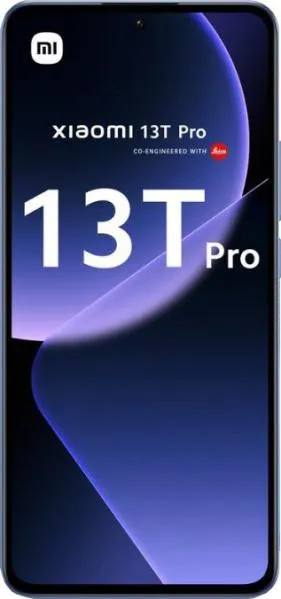
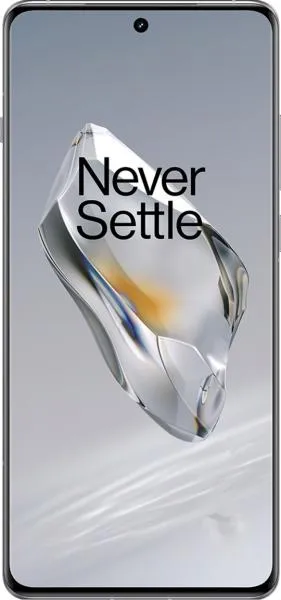
| Dimensions | Design | 162.2 x 75.7 x 8.5 mm, 200g | 164.3 x 75.8 x 9.2 mm, 220g | The OnePlus 12 is slightly larger and noticeably heavier. The 13T Pro might be more comfortable for one-handed use and extended periods. |
| Build | Design | Missing | Missing | Build materials (e.g., glass, aluminum) impact durability and premium feel. This information is missing. |
| Display Size | Display | 6.67" | 6.82" | The OnePlus 12 offers a slightly larger screen for more immersive content consumption. |
| Display Type | Display | AMOLED, 144Hz | LTPO AMOLED, 120Hz | Both are high-quality displays. The 13T Pro's 144Hz offers smoother animations, especially in gaming, but consumes more power. The OnePlus 12's LTPO panel allows for dynamic refresh rate adjustment, saving battery. |
| Resolution | Display | 1220 x 2712 (446 ppi) | 1440 x 3168 (510 ppi) | The OnePlus 12 has a sharper display due to the higher resolution and pixel density, resulting in crisper text and images. |
| Peak Brightness | Display | 2600 nits | 4500 nits | The OnePlus 12 offers significantly higher peak brightness, making it much more readable in direct sunlight. |
| Chipset | Performance | Mediatek Dimensity 9200+ | Qualcomm Snapdragon 8 Gen 3 | Both are flagship chipsets. Performance differences likely minimal in everyday tasks but benchmarks are needed for detailed comparison. Snapdragon 8 Gen 3 is generally considered more powerful. |
| CPU | Performance | Octa-core (1x3.35 GHz Cortex-X3...) | Octa-core (1x3.3 GHz Cortex-X4...) | Both have powerful CPUs, but architectural differences may lead to varying performance in specific applications. Real-world usage and benchmark tests would reveal noticeable differences. |
| GPU | Performance | Immortalis-G715 MC11 | Adreno 750 | The Adreno 750 generally offers better gaming performance than the Immortalis-G715. |
| RAM & Storage | Performance | 12/512GB, 16/1000GB | 16/512GB | The Xiaomi offers more RAM and storage options, providing flexibility for power users needing ample space. |
| Battery Capacity | Battery | 5000 mAh | 5400 mAh | The OnePlus 12 has a larger battery capacity, potentially offering longer battery life. Real-world usage will depend on individual usage patterns. |
| Charging Speed | Battery | Missing | Missing | Charging speed is a critical factor. This missing information hinders a complete comparison. |
| Main Camera Specs | Camera | Missing | Missing | Detailed camera specifications (sensor size, aperture, megapixels) are crucial for comparing image quality. This information is absent. |
| OS | Software | Android 13, upgradable to 17 | Android 14, upgradable to 18 | The OnePlus 12 ships with a newer Android version and is promised a longer update cycle. |
2. Key Differences Analysis
Xiaomi 13T Pro Advantages:
- Higher Refresh Rate: Smoother animations and scrolling.
- More Storage Options: Greater flexibility for storing large files. Potentially lower price for similar storage compared to OnePlus 12.
- Potentially Lighter and More Compact: More comfortable for one-handed use.
OnePlus 12 Advantages:
- Sharper Display: More detailed images and text.
- Brighter Display: Excellent outdoor visibility.
- Larger Battery: Potentially longer battery life.
- More Powerful GPU: Better gaming performance.
- Newer Android Version & Longer Update Support: Access to latest features and enhanced security for a longer period.
3. User Profiles & Recommendations
Xiaomi 13T Pro: Users prioritizing a smooth display, ample storage, and a lighter phone. Suitable for gamers who value high refresh rates over absolute graphical fidelity and users on a tighter budget.
OnePlus 12: Users prioritizing display quality (sharpness and brightness), performance, battery life, and latest software. Suitable for power users, content creators, and mobile gamers who demand top-tier performance.
4. Decision Framework
Key Questions for Buyers:
- What is your budget? The prices, while both in the "medium range," could differ significantly.
- What are your primary use cases? (Gaming, photography, content consumption, general use)
- What features do you value most? (Display quality, battery life, performance, software updates)
My Choice: OnePlus 12
While the Xiaomi 13T Pro offers a compelling package with its high refresh rate display and storage options, the OnePlus 12 edges out due to its superior display quality, stronger performance (especially GPU), longer software support, and larger battery. The brighter display is crucial for outdoor usage, and the newer Snapdragon chip promises better longevity and performance in demanding tasks. Although heavier, the marginal increase in size for a larger, sharper display is a worthwhile trade-off for me. I prioritize a future-proof device with a longer software update commitment, which the OnePlus 12 provides. Finally, the significantly brighter peak brightness is a game changer for outdoor readability. The lack of specific camera and charging speed information makes a definitive judgement difficult, but based on the available data, the OnePlus 12 appears to be the more compelling overall package.
