1. Specifications Comparison
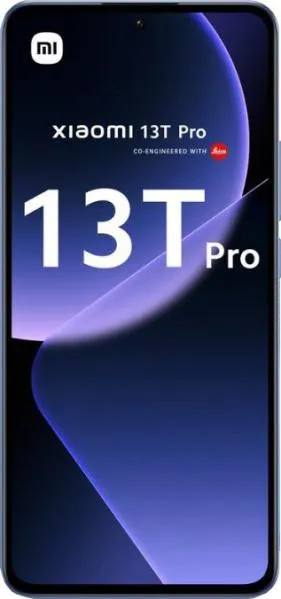
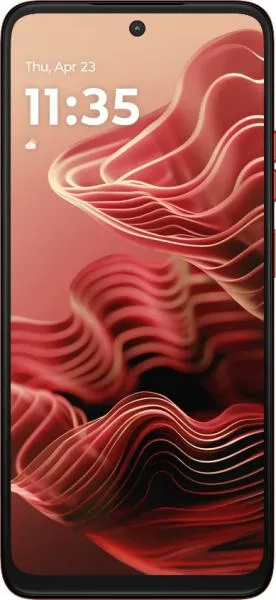
| Feature | Xiaomi 13T Pro | Motorola Moto G35 | Practical Impact |
|---|---|---|---|
| Design | |||
| Dimensions | 162.2 x 75.7 x 8.5 mm | 166.3 x 76 x 7.8 mm | The Moto G35 is slightly larger and thinner. |
| Weight | 200g | 188g | The Moto G35 is noticeably lighter. |
| Fingerprint Sensor | Under display | Side-mounted | Preference-based; under-display is often perceived as more modern. |
| Display | |||
| Size | 6.67" | 6.72" | Negligible size difference in real-world use. |
| Type | AMOLED, 144Hz | IPS LCD, 120Hz | The 13T Pro's AMOLED offers significantly better contrast, colors (68B vs. likely 16M), and potentially deeper blacks. The 144Hz refresh rate provides a smoother experience than 120Hz, especially in fast-paced games. |
| Resolution | 1220x2712 (1.5K) | 1080x2400 (FHD+) | The 13T Pro has a sharper display due to higher pixel density (446 ppi vs 392 ppi). |
| Peak Brightness | 2600 nits | 1000 nits | The 13T Pro will be significantly more readable in direct sunlight. |
| HDR | Dolby Vision, HDR10+ | HDR10 | The 13T Pro supports more advanced HDR standards, resulting in better dynamic range in compatible content. |
| Performance | |||
| Chipset | Mediatek Dimensity 9200+ (4nm) | Unisoc T760 (6nm) | The Dimensity 9200+ is a significantly more powerful processor, leading to much faster performance in demanding tasks and games. |
| CPU | Octa-core (1x3.35 GHz X3 & 3x3.0 GHz A715 & 4x2.0 GHz A510) | Octa-core (1x2.2 GHz A76 & 3x A76 & 4x A55) | The 13T Pro's CPU has a faster clock speed and more powerful cores, translating to significantly better performance. |
| GPU | Immortalis-G715 MC11 | Mali-G57 | The 13T Pro's GPU is far superior, enabling smoother gaming and faster graphics rendering. |
| RAM/Storage | 12GB/512GB, 16GB/1000GB | 8GB/128GB | The 13T Pro offers significantly more RAM and storage, allowing for smoother multitasking and more space for apps and files. |
| Camera | |||
| Video Capabilities | Up to 8K@24fps | Up to 4K@30fps | The 13T Pro offers significantly higher video resolution and frame rate options along with EIS (Electronic Image Stabilization). More details on photo capabilities are needed for a complete comparison. |
| Battery | |||
| Capacity | 5000 mAh | 5000 mAh | Similar battery capacities; real-world battery life will depend on software optimization and usage patterns. |
| Software | |||
| OS | Android 13 | Android 14 | The Moto G35 launches with a newer Android version. However, the 13T Pro is likely to receive updates for a longer duration. |
2. Key Differences Analysis
Xiaomi 13T Pro Advantages:
- Significantly more powerful: The Dimensity 9200+ and higher RAM provide a substantial performance advantage for demanding tasks and gaming.
- Superior display: The AMOLED screen offers vibrant colors, deeper blacks, higher resolution, a faster refresh rate, and much higher peak brightness.
- More versatile video recording: Supports higher resolutions and frame rates.
Motorola Moto G35 Advantages:
- Lighter and potentially cheaper: Though both are mid-range, the Moto G35's simpler specs might translate to a lower price point.
- Newer Android version at launch: Ships with Android 14, offering the latest features out-of-the-box.
3. User Profiles & Recommendations
Xiaomi 13T Pro: Ideal for users who prioritize performance, a high-quality display, and versatile camera capabilities. Suitable for demanding tasks like gaming, video editing, and content creation.
Motorola Moto G35: Suitable for budget-conscious users who prioritize basic smartphone functionality and a lightweight design. Best for everyday tasks like browsing, social media, and light gaming.
4. Decision Framework
Key Questions:
- What is your budget? The 13T Pro is likely more expensive.
- What are your primary use cases? Demanding tasks and gaming benefit from the 13T Pro's power.
- How important is display quality? The 13T Pro's AMOLED display is a major advantage.
Scenario-Based Recommendations:
- Gamer: Xiaomi 13T Pro
- Budget-conscious user: Motorola Moto G35
- Photographer/Videographer: Xiaomi 13T Pro (pending more camera details)
My Choice: Xiaomi 13T Pro
While the price isn't explicitly stated, assuming a typical mid-range price difference, I would choose the Xiaomi 13T Pro. The significantly superior performance, vastly better display, and more advanced video recording capabilities are compelling advantages. The slight increase in weight is a negligible trade-off for the substantial gains in other areas. For me, a smooth, responsive user experience and a high-quality display are paramount, and the 13T Pro delivers on both fronts. The longer software support lifespan expected for the 13T Pro is also a crucial factor in long-term value. While the Moto G35 offers a newer Android version out-of-the-box, updates are less guaranteed compared to the Xiaomi device.
