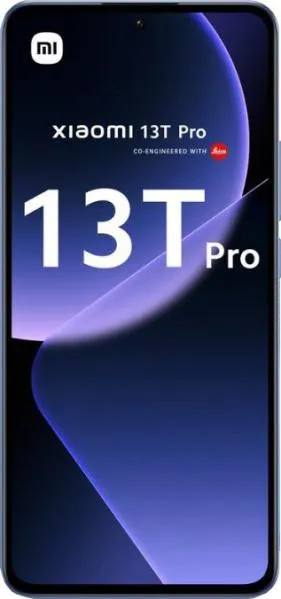
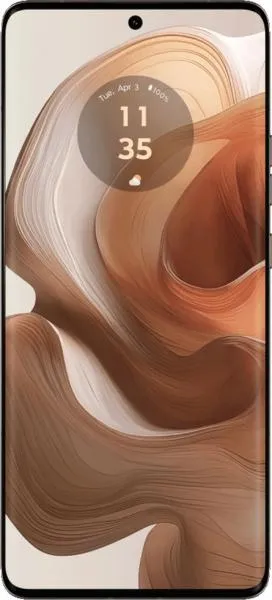
1. Specifications Comparison
| Feature | Xiaomi 13T Pro | Motorola Edge 50 Ultra | Practical Impact |
|---|---|---|---|
| Design | |||
| Dimensions | 162.2 x 75.7 x 8.5 mm | 161.1 x 72.4 x 8.6 mm | Motorola is slightly narrower and shorter, potentially improving one-handed usability. Thickness is nearly identical. |
| Weight | 200g | 197g | Negligible weight difference in real-world usage. |
| Display | |||
| Size | 6.67" | 6.7" | Virtually identical screen sizes. |
| Type | AMOLED, 68B colors | P-OLED, 1B colors | Xiaomi offers a wider color gamut (68B vs 1B), potentially resulting in more vibrant and nuanced colors. P-OLED generally offers deeper blacks and better power efficiency. |
| Refresh Rate | 144Hz | 144Hz | Both offer incredibly smooth scrolling and animations. |
| Peak Brightness | 2600 nits | 2500 nits | Xiaomi's slightly higher peak brightness improves outdoor visibility. |
| Resolution | 1220 x 2712 | 1220 x 2712 | Identical resolution, resulting in sharp visuals on both. |
| Performance | |||
| Chipset | Mediatek Dimensity 9200+ | Qualcomm Snapdragon 8s Gen 3 | Both are high-end chipsets offering excellent performance. Benchmarking comparisons are needed for definitive conclusions on real-world differences. |
| CPU | Octa-core (1x3.35 GHz X3...) | Octa-core (1x3.0 GHz X4...) | Xiaomi's slightly higher clock speed on the primary core might offer a slight edge in single-core performance, but overall performance will be comparable. |
| GPU | Immortalis-G715 MC11 | Adreno 735 | Gaming performance differences will depend on specific game optimization. More information (benchmarks) is needed. |
| RAM/Storage | 12GB/512GB, 16GB/1000GB | 16GB/512GB | Xiaomi offers a 1TB storage option, beneficial for users needing ample space. Motorola only offers 512GB. Both offer ample RAM for smooth multitasking. |
| Battery | |||
| Capacity | 5000 mAh | 4500 mAh | Xiaomi offers a larger battery capacity, potentially translating to longer battery life. |
| Camera | |||
| Video Capabilities | 8K@24fps, 4K@ various fps | Up to 4K@60fps, 1080p@960fps | Xiaomi offers 8K video recording, while Motorola offers super slow-motion at 960fps. Specific sensor details (size, aperture) are missing to make a thorough comparison. |
| Other | |||
| OS | Android 13 | Android 14 | Motorola ships with a newer Android version, offering potential feature and security advantages. |
| USB | USB Type-C 2.0 | USB Type-C 3.1 Gen2 | Motorola's USB standard offers significantly faster data transfer speeds. |
2. Key Differences Analysis
Xiaomi 13T Pro Advantages:
- Larger Battery: Potentially longer battery life.
- Brighter Display: Better outdoor visibility.
- Wider Color Gamut: More vibrant colors on display.
- 8K Video Recording: Higher resolution video capture.
- Larger Storage Option: 1TB option for users needing ample space.
Motorola Edge 50 Ultra Advantages:
- Newer Android Version: Latest features and security updates.
- Faster Data Transfer: USB 3.1 Gen2 for quicker file transfers.
- Slightly More Compact: Potentially better one-handed use.
- Super Slow-Motion Video: 960fps for capturing detailed slow-motion footage.
3. User Profiles & Recommendations
Xiaomi 13T Pro: Users prioritizing battery life, vibrant display, ample storage, and 8K video recording. Suitable for power users, content creators, and those consuming media outdoors.
Motorola Edge 50 Ultra: Users who value the latest software, faster data transfer speeds, and a slightly more compact form factor. Ideal for those who frequently transfer large files and prefer having the most up-to-date OS.
4. Decision Framework
Key Questions:
- How important is battery life? Xiaomi offers a larger battery.
- Do you need the latest software features and security updates? Motorola ships with Android 14.
- What is your budget and storage requirement? Xiaomi offers a more expensive 1TB option.
My Choice: Xiaomi 13T Pro
While the Motorola Edge 50 Ultra offers advantages in terms of software and data transfer, the Xiaomi 13T Pro's larger battery, brighter display with wider color gamut, and the option for 1TB of storage are more compelling for my personal needs. I prioritize battery life and a vibrant viewing experience, making the Xiaomi 13T Pro the better choice for me. The 8K video recording capability, while niche, is a welcome addition for future-proofing. The slightly older Android version on the Xiaomi is less of a concern as it will likely receive updates for a considerable time. Finally, while benchmarks are missing, the Dimensity 9200+ is likely to be a strong competitor to the Snapdragon 8s Gen 3 in real-world performance.
