1. Specifications Comparison
| Feature | Category | Xiaomi 13T Pro | Google Pixel 9 Pro Fold | Practical Impact |
|---|---|---|---|---|
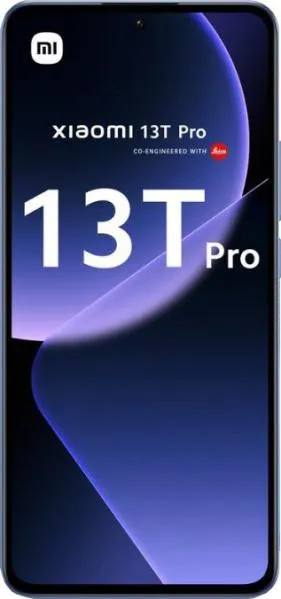
| Dimensions | Design | 162.2 x 75.7 x 8.5 mm | 155.2 x 150.2 x 5.1 mm | Pixel Fold is wider and shorter when unfolded, significantly thicker when folded. 13T Pro is more pocketable. |
| Weight | Design | 200g | 257g | Pixel Fold is noticeably heavier, impacting one-handed use and pocket comfort. |
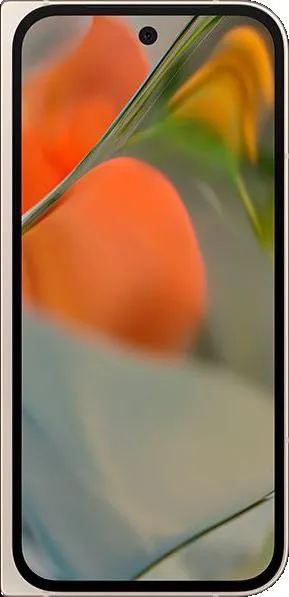
| Foldable | Design | No | Yes | Pixel Fold offers a larger screen in a smaller form factor when folded, but with added bulk. |
| Display Size | Display | 6.67 inches | 8 inches (unfolded), ~5.8 inches (folded) | Pixel Fold provides a significantly larger screen real estate when unfolded for multitasking and media consumption. |
| Display Type | Display | AMOLED, 144Hz | Foldable LTPO OLED, 120Hz | Both offer excellent color and contrast. 13T Pro's higher refresh rate results in smoother scrolling and animations. Pixel Fold's LTPO panel allows for more granular refresh rate control, potentially saving battery. |
| Peak Brightness | Display | 2600 nits | 2700 nits | Both are exceptionally bright, ensuring excellent outdoor visibility. Pixel Fold has a slight edge. |
| Resolution | Display | 1220 x 2712 | 2076 x 2152 | Pixel Fold offers a higher resolution, particularly noticeable on the larger unfolded screen. |
| PPI Density | Display | 446 | 373 | 13T Pro has a sharper display due to higher pixel density. Difference might be less noticeable in real-world usage due to Pixel Fold's larger screen size. |
| Chipset | Performance | Mediatek Dimensity 9200+ | Google Tensor G4 | Both are high-end chipsets, but benchmarks will reveal specific performance differences. Tensor G4 is expected to excel in AI and machine learning tasks. |
| CPU | Performance | Octa-core (1x3.35 GHz X3 & 3x3.0 GHz A715 & 4x2.0 GHz A510) | Octa-core (1x3.1 GHz X4 & 3x2.6 GHz A720 & 4x1.92 GHz A520) | CPU architectures suggest comparable performance, though individual core clock speeds differ. Real-world performance needs benchmarking. |
| GPU | Performance | Immortalis-G715 MC11 | Mali-G715 MC7 | Gaming and graphically intensive tasks might show performance differences. MC11 typically offers higher performance than MC7. |
| RAM | Performance | 12GB/16GB | 16GB | Pixel Fold offers more RAM, potentially benefiting multitasking and demanding applications. |
| Battery Capacity | Battery | 5000 mAh | 4650 mAh | 13T Pro has a larger battery, potentially leading to longer battery life. Real-world usage will vary based on individual usage patterns and the Pixel Fold's variable refresh rate. |
| OS | Software | Android 13 | Android 14 | Pixel Fold comes with the latest Android version, offering newer features and longer software support. |
| Price Range | Value | Medium | High | Pixel Fold is significantly more expensive due to its foldable technology. |
2. Key Differences Analysis
Xiaomi 13T Pro Advantages:
- Higher Refresh Rate: Smoother scrolling and animations.
- Larger Battery: Potentially longer battery life.
- Lower Price: Significantly more affordable.
- Lighter and More Pocketable: Easier to carry and use one-handed.
Google Pixel 9 Pro Fold Advantages:
- Foldable Design: Larger screen in a more compact folded form.
- Larger Display (Unfolded): Enhanced multitasking and media experience.
- Latest Android Version: Newer features and longer software updates.
- Potentially Superior AI Performance: Due to Tensor G4's focus on AI.
Trade-offs:
- Pixel Fold: Higher price for foldable technology, heavier and thicker, smaller battery.
- 13T Pro: No foldable screen, potentially less powerful in AI tasks.
3. User Profiles & Recommendations
Xiaomi 13T Pro: Users seeking a powerful, affordable smartphone with a smooth display and long battery life. Ideal for:
- Gamers: High refresh rate display enhances gaming experience.
- Power Users: Demanding tasks handled efficiently by the powerful chipset.
- Budget-Conscious Consumers: Excellent value for its price.
Google Pixel 9 Pro Fold: Users prioritizing a large, foldable screen for productivity and media consumption, willing to pay a premium. Ideal for:
- Multitaskers: Large screen allows for efficient split-screen usage.
- Content Creators: Larger canvas for editing photos and videos.
- Tech Enthusiasts: Early adopters of cutting-edge technology.
4. Decision Framework
Key Questions:
- Is a foldable screen a must-have?
- What is your budget?
- What are your primary smartphone use cases (gaming, productivity, media consumption)?
Scenario-Based Recommendations:
- Limited Budget, Focus on Performance: Xiaomi 13T Pro
- Prioritize Latest Features and Large Screen, Budget Not a Constraint: Google Pixel 9 Pro Fold
- Value for Money, Smooth Display, Long Battery Life: Xiaomi 13T Pro
- Unique Form Factor, Multitasking Powerhouse: Google Pixel 9 Pro Fold
My Choice: Xiaomi 13T Pro
While the Pixel 9 Pro Fold's foldable screen is impressive, the Xiaomi 13T Pro offers a compelling combination of performance, battery life, and affordability. The 144Hz refresh rate, larger battery, and significantly lower price make it a more practical choice for my needs. I prioritize a smooth user experience and long battery life over a foldable screen. The price difference is substantial, and the 13T Pro provides excellent value for its performance. While I acknowledge the Pixel Fold's advantages in multitasking and media consumption due to its large screen, the weight and bulk would likely detract from my daily usage experience. The 13T Pro strikes a better balance for my personal preferences and usage patterns.
