1. Specifications Comparison
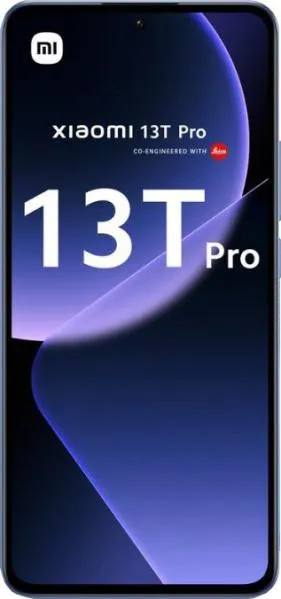
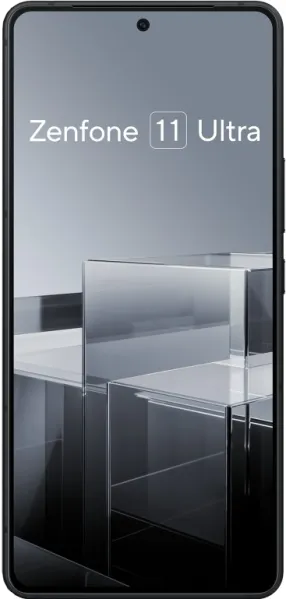
| Feature | Xiaomi 13T Pro | Asus Zenfone 11 Ultra | Practical Impact |
|---|---|---|---|
| Design | |||
| Dimensions | 162.2 x 75.7 x 8.5 mm | 163.8 x 76.8 x 8.9 mm | Zenfone 11 Ultra is slightly larger and thicker. May impact one-handed usability. |
| Weight | 200g | 224g | Xiaomi 13T Pro is noticeably lighter, reducing hand fatigue during extended use. |
| Build Materials | Not specified | Not specified | Cannot compare build quality and durability. |
| Display | |||
| Size | 6.67" | 6.78" | Negligible difference in screen real estate. |
| Type | AMOLED, 144Hz | LTPO AMOLED, 144Hz | Both offer smooth scrolling and animations. LTPO on the Zenfone allows for dynamic refresh rate adjustment, potentially saving battery. |
| Resolution | 1220 x 2712 (1.5K) | 1080 x 2400 (FHD+) | Xiaomi has a sharper display with higher pixel density (446 ppi vs 388 ppi), resulting in crisper text and images. |
| Peak Brightness | 2600 nits | 2500 nits | Both offer excellent outdoor visibility. Xiaomi's slightly higher peak brightness might provide a marginal advantage in direct sunlight. |
| Performance | |||
| Chipset | MediaTek Dimensity 9200+ | Qualcomm Snapdragon 8 Gen 3 | Both are flagship chipsets promising top-tier performance. Snapdragon 8 Gen 3 is generally considered more powerful based on benchmarks, though real-world differences may be subtle for average users. |
| CPU | Octa-core (1x3.35 GHz Cortex-X3 & 3x3.0 GHz Cortex-A715 & 4x2.0 GHz Cortex-A510) | Octa-core (1x3.3 GHz Cortex-X4 & 3x3.2 GHz Cortex-A720 & 2x3.0 GHz Cortex-A720 & 2x2.3 GHz Cortex-A520) | Both CPUs are high-performance, but architectural differences make direct comparison difficult without benchmarks. |
| GPU | Immortalis-G715 MC11 | Adreno 750 | Adreno 750 generally offers better gaming performance based on benchmarks. |
| RAM/Storage | 12GB/512GB, 16GB/1000GB | 16GB/512GB | Xiaomi offers a 1TB storage option for users needing ample space. Both have ample RAM for multitasking. |
| Battery | |||
| Capacity | 5000 mAh | 5500 mAh | Zenfone 11 Ultra has a larger battery, potentially leading to longer battery life. |
| Charging Speed | Not specified | Not specified | Cannot compare charging speeds. |
| Camera | |||
| Specifications | Not detailed enough for comparison | Not detailed enough for comparison | Insufficient data to compare camera performance. |
| Software | |||
| OS | Android 13 | Android 14 | Zenfone 11 Ultra ships with a newer Android version, offering potential features and performance improvements. |
2. Key Differences Analysis
Xiaomi 13T Pro Advantages:
- Sharper Display: Higher resolution leads to a more detailed viewing experience.
- Lighter Weight: More comfortable for extended use.
- Larger Storage Option: 1TB option caters to users with high storage demands.
- Potentially More Affordable: While both are mid-range, Xiaomi often positions its devices more aggressively on price.
Asus Zenfone 11 Ultra Advantages:
- Larger Battery: Potentially longer battery life.
- More Powerful GPU: Likely better for demanding gaming.
- Newer OS: Access to the latest Android features and security updates.
- Potentially Better Chipset: Snapdragon 8 Gen 3 generally outperforms Dimensity 9200+ based on early benchmarks.
3. User Profiles & Recommendations
Xiaomi 13T Pro: Users prioritizing a sharp display, lightweight design, and ample storage. Suitable for media consumption, general productivity, and light gaming.
Asus Zenfone 11 Ultra: Users prioritizing performance, battery life, and the latest software. Ideal for demanding gaming, heavy multitasking, and power users.
4. Decision Framework
Key Questions:
- What is your budget? Compare prices considering storage options.
- What are your primary use cases? (Gaming, media consumption, productivity)
- What features are most important to you? (Battery life, display quality, performance)
Scenario-Based Recommendations:
- Heavy gamer: Asus Zenfone 11 Ultra for its powerful GPU.
- Frequent traveler: Asus Zenfone 11 Ultra for potentially longer battery life.
- Media enthusiast: Xiaomi 13T Pro for its sharper display.
- Budget-conscious user: Xiaomi 13T Pro, assuming a lower price point.
My Choice: Asus Zenfone 11 Ultra
While the Xiaomi 13T Pro offers a compelling package with its sharper display and lighter weight, the Asus Zenfone 11 Ultra's superior performance (Snapdragon 8 Gen 3), larger battery (5500mAh), and newer operating system (Android 14) make it the more future-proof choice for me. The slightly larger and heavier build is a trade-off I'm willing to make for the performance gains and longer battery life. Gaming performance is a priority for me, and the Adreno 750 is likely to deliver a better experience. Finally, having the latest Android version ensures access to new features and security updates for a longer period.
