1. Specifications Comparison
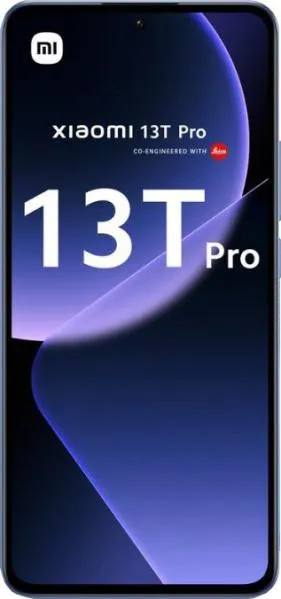
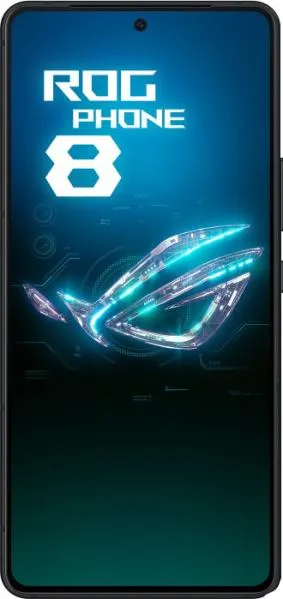
| Feature | Xiaomi 13T Pro | Asus ROG Phone 8 | Practical Impact |
|---|---|---|---|
| Design | |||
| Dimensions | 162.2 x 75.7 x 8.5 mm | 163.8 x 76.8 x 8.9 mm | ROG Phone 8 is slightly larger and thicker. |
| Weight | 200g | 225g | ROG Phone 8 is noticeably heavier, potentially impacting one-handed use. |
| Display | |||
| Size | 6.67" | 6.78" | Negligible difference in screen real estate. |
| Type | AMOLED, 144Hz | LTPO AMOLED, 165Hz | ROG Phone 8 has a slightly higher refresh rate and potentially better battery efficiency due to LTPO, resulting in smoother visuals and longer battery life. |
| Resolution | 1220 x 2712 | 1080 x 2400 | Xiaomi 13T Pro has a sharper display due to higher resolution. |
| Peak Brightness | 2600 nits | 2500 nits | Xiaomi 13T Pro is slightly brighter in direct sunlight. |
| Performance | |||
| Chipset | Dimensity 9200+ (4nm) | Snapdragon 8 Gen 3 (4nm) | Both are top-tier chipsets, but Snapdragon 8 Gen 3 is generally considered more powerful. Real-world performance differences may be minimal. |
| CPU | Octa-core (1x3.35 GHz...) | Octa-core (1x3.3 GHz...) | Both have powerful CPUs, but architectural differences may lead to varying performance in specific tasks. Benchmarking would provide clearer insights. |
| GPU | Immortalis-G715 MC11 | Adreno 750 | Adreno 750 generally offers better gaming performance. |
| RAM | 12GB/16GB | 16GB | More RAM in some 13T Pro variants offers better multitasking. ROG Phone 8 offers only a 16GB variant. |
| Storage | 512GB/1TB | 256GB | Xiaomi 13T Pro offers larger storage options. |
| Battery | |||
| Capacity | 5000 mAh | 6000 mAh | ROG Phone 8 has significantly larger battery capacity, likely resulting in longer battery life. |
| Camera | missing info | missing info | Camera specifications are crucial for comparison but are missing. No meaningful comparison possible. |
| Other | |||
| OS | Android 13 / 17 | Android 14 /16 | ROG Phone 8 launches with a newer Android version, but Xiaomi 13T Pro has a longer software update commitment. |
2. Key Differences Analysis
Xiaomi 13T Pro Advantages:
- Sharper Display: Higher resolution leads to more detailed visuals.
- Brighter Display: Slightly brighter for better outdoor visibility.
- Larger Storage Options: More options for users needing ample space.
- Potentially Lower Price: Depending on specific RAM/storage configurations.
Asus ROG Phone 8 Advantages:
- More Powerful GPU: Likely better for demanding gaming.
- Higher Refresh Rate: Smoother animations and scrolling.
- Larger Battery: Potentially significantly longer battery life.
- Newer Android Version: Access to latest features at launch.
3. User Profiles & Recommendations
Xiaomi 13T Pro: Users prioritizing display sharpness, storage, and potentially price. Suitable for general use, media consumption, and moderate gaming.
Asus ROG Phone 8: Users prioritizing gaming performance, battery life, and the latest software. Ideal for mobile gamers, power users, and those who value long battery life.
4. Decision Framework
Key Questions:
- What is your primary use case? (Gaming, media consumption, general use)
- How important is battery life?
- What is your budget?
Scenario-Based Recommendations:
- Heavy Gamer: Asus ROG Phone 8
- General User with focus on display: Xiaomi 13T Pro
- User on a budget needing long battery life: Potentially Xiaomi 13T Pro depending on price, but battery capacity significantly favors ROG Phone 8. Requires price comparison for accurate recommendation.
My Choice:
I would choose the Xiaomi 13T Pro. While the ROG Phone 8 boasts a more powerful GPU and longer battery life, the sharper display and greater storage options of the 13T Pro better suit my needs. I prioritize a crisp, detailed visual experience and ample storage for photos and videos. The slightly lower peak brightness and potentially less powerful chipset of the 13T Pro are acceptable trade-offs for me given my usage priorities. The potential price difference further reinforces my decision, assuming a similar price point for comparable storage variants (which the provided specs lack sufficient detail to confirm). Ultimately, the superior display and storage align better with my personal preferences and typical usage patterns. However, without camera specifications, this decision isn't fully informed. A strong camera system could sway my decision towards either phone.
