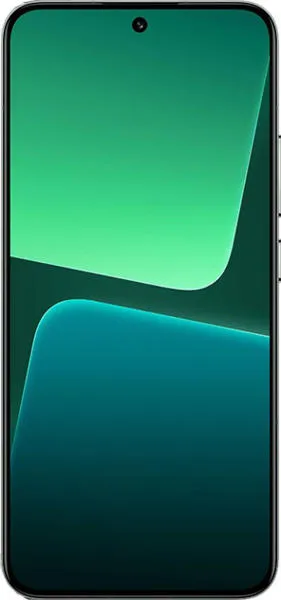
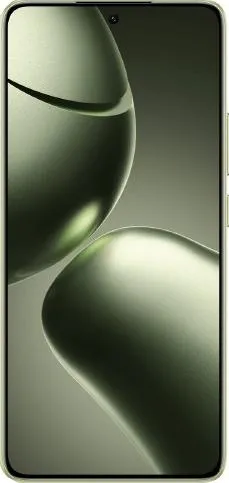
Xiaomi 13 vs. Xiaomi 14T: A Deep Dive for the Discerning User
Hello fellow tech explorers! Alex Griffin here, ready to dissect the Xiaomi 13 and the freshly launched Xiaomi 14T. We'll go beyond the spec sheet, translating the technical jargon into real-world implications for your daily digital life. Let's dive in!
1. Specifications Breakdown
| Feature | Xiaomi 13 | Xiaomi 14T | Real-World Implications |
|---|---|---|---|
| Design | |||
| Dimensions (mm) | 152.8 x 71.5 x 8 | 160.5 x 75.1 x 7.8 | 13 is more compact, potentially easier to handle; 14T might feel larger in hand. |
| Weight (g) | 185 | 193 | Noticeable difference in weight, 13 being lighter for prolonged use. |
| Display | |||
| Size (inches) | 6.36 | 6.67 | 14T offers a larger screen for more immersive content consumption. |
| Resolution (px) | 1080 x 2400 | 1220 x 2712 | 14T boasts sharper visuals due to higher resolution and pixel density. |
| Refresh Rate (Hz) | 120 | 144 | Smoother scrolling and animations on the 14T, especially noticeable in gaming. |
| Peak Brightness(nits) | 1900 | 4000 | 14T's significantly higher peak brightness ensures excellent outdoor visibility. |
| Performance | |||
| Chipset | Snapdragon 8 Gen 2 | Dimensity 8300 Ultra | 8 Gen 2 generally offers higher peak performance, but the 8300 Ultra excels in sustained performance and efficiency. |
| CPU | Octa-core (3.2 GHz) | Octa-core (3.35 GHz) | Both are powerful, but benchmarks will reveal specific strengths in different tasks. Real-world difference may be minimal for average users. |
| RAM (GB) | 8/12 | 12 | 14T offers more RAM for smoother multitasking and demanding applications. |
| Camera | |||
| Main Sensor (MP) | 50 (IMX800) | 50 (IMX906) | Both have high-resolution sensors, image quality will depend on processing and lens quality. IMX906 in 14T is newer with potential advantages in low light. |
| Telephoto (MP) | 10 | 50 | 14T significantly upgrades the telephoto lens, offering superior zoom capabilities and potentially higher quality zoomed images. |
| Battery Life | |||
| Capacity (mAh) | 4500 | 5000 | 14T has a larger battery, potentially leading to longer usage time. |
2. Key Insights
- Performance Prowess: The Xiaomi 13, with its Snapdragon 8 Gen 2, likely edges out the 14T in raw power, particularly in demanding tasks like gaming. However, the Dimensity 8300 Ultra in the 14T is no slouch and may offer better sustained performance and power efficiency for everyday use.
- Visual Feast: The 14T's display is a clear winner. The larger size, higher resolution, faster refresh rate, and incredibly high peak brightness create a more immersive and enjoyable viewing experience, especially outdoors.
- Camera Comparison: While both phones boast capable camera systems, the 14T makes a significant leap with its 50MP telephoto lens, promising dramatically improved zoom capabilities. The main sensors are both strong contenders, with the IMX906 in the 14T potentially offering better low-light performance.
- Endurance Race: The 14T's larger 5000mAh battery suggests longer usage time compared to the Xiaomi 13. However, real-world battery life depends on various factors, including software optimization and usage patterns.
3. User Profiles and Recommendations
- Xiaomi 13: Ideal for users prioritizing a compact form factor and potentially slightly higher peak performance. Excellent choice for those seeking a premium flagship experience in a more pocketable size.
- Xiaomi 14T: Perfect for multimedia enthusiasts, gamers, and those who demand a stunning display and long battery life. The upgraded telephoto lens also makes it appealing for photography enthusiasts.
4. Buying Decision Framework
- What screen size do you prefer? If a larger, more immersive display is crucial, the 14T is the way to go.
- Is peak performance or sustained performance and battery life more important? The 13 might edge out in benchmarks, but the 14T likely wins in efficiency and longevity.
- What's your budget? The 14T offers incredible value for its price, packing high-end features into a mid-range price point. The 13 commands a higher price, reflecting its flagship status.
My Choice: As a tech journalist who values a blend of performance, display quality, and battery life, I'd lean towards the Xiaomi 14T. The superior display, upgraded telephoto lens, larger battery, and attractive price point make it a compelling package. While I appreciate the 13's compact design and powerful chipset, the 14T's advantages in key areas align better with my personal needs and priorities. The jump to a 50MP Telephoto lens significantly enhances versatility and addresses a weakness in many smartphone cameras. Plus, that 4000 nit display – wow! It’s a future-proof feature that will remain impressive for years to come.
