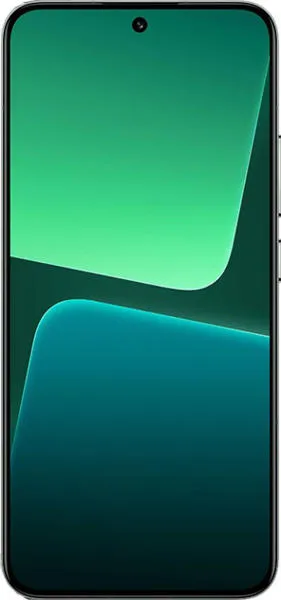
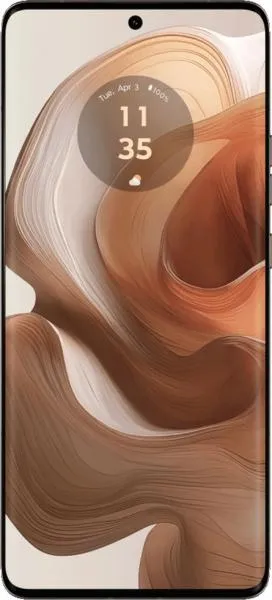
Xiaomi 13 vs. Motorola Edge 50 Ultra: A Deep Dive
Hello, fellow tech enthusiasts! Alex Griffin here, ready to dissect the Xiaomi 13 and the Motorola Edge 50 Ultra. We'll go beyond the spec sheets to uncover what these phones really offer in terms of daily use. Let's dive in!
1. Specifications Breakdown
| Feature | Xiaomi 13 | Motorola Edge 50 Ultra | Real-World Implications | |
|---|---|---|---|---|
| Design | ||||
| Dimensions (mm) | 152.8 x 71.5 x 8 | 161.1 x 72.4 x 8.6 | Xiaomi 13 is noticeably more compact, potentially easier for one-handed use. | |
| Weight (g) | 185 | 197 | Xiaomi 13 is lighter, contributing to better handling. | |
| Display | ||||
| Type | AMOLED | P-OLED | Both offer vibrant colors and deep blacks; P-OLED might offer slightly improved power efficiency. | |
| Size (inches) | 6.36 | 6.7 | Edge 50 Ultra provides a larger screen for media consumption. | |
| Refresh Rate (Hz) | 120 | 144 | Edge 50 Ultra offers smoother scrolling and animations, especially noticeable in gaming. | |
| Peak Brightness | 1900 nits | 2500 nits | Edge 50 Ultra should be more visible in direct sunlight. | |
| Performance | ||||
| Chipset | Snapdragon 8 Gen 2 | Snapdragon 8s Gen 3 | 8 Gen 2 generally benchmarks higher, offering a potential edge in demanding tasks and gaming. | |
| CPU | Octa-core (3.2 GHz) | Octa-core (3.0 GHz) | Both offer powerful multi-core performance; individual core speeds suggest a slight advantage for Xiaomi | |
| RAM (GB) | 8/12 | 16 | Edge 50 Ultra's 16GB RAM enables superior multitasking and app retention. | |
| Camera | ||||
| Main Sensor (MP) | 50 | 50 | Comparable resolution, but sensor size and aperture differ (Xiaomi: 1/1.49", f/1.8; Motorola: 1/1.3", f/1.6). Motorola might have better low-light performance due to larger sensor and wider aperture. | |
| Telephoto (MP) | 10 | 64 | Edge 50 Ultra offers significantly higher resolution and likely better zoom capabilities. | |
| Ultrawide (MP) | 13 | 50 | Edge 50 Ultra boasts a much higher resolution ultrawide lens. | |
| DXOMARK Score | 130 | 146 | Edge 50 Ultra scores higher overall, suggesting superior camera performance. | |
| Battery Life | ||||
| Capacity (mAh) | 4500 | 4500 | Identical battery capacities; real-world battery life will depend on optimization and usage patterns. | |
| Charging | 67W Wired, 50W Wireless | 125W Wired, 50W Wireless | Edge 50 Ultra offers significantly faster wired charging. |
2. Key Insights
- Performance: While both phones pack powerful processors, the Xiaomi 13's Snapdragon 8 Gen 2 generally edges out the 8s Gen 3 in benchmarks. However, the Edge 50 Ultra's 16GB RAM provides a huge advantage for heavy multitasking.
- Display: The Edge 50 Ultra offers a larger, brighter display with a faster refresh rate. This translates to a more immersive and responsive experience for gaming and media consumption. Xiaomi 13's smaller display translates to an easier one-handed use experience.
- Camera: The Motorola Edge 50 Ultra boasts a superior camera system overall, with a higher DXOMARK score, higher-resolution telephoto and ultrawide lenses, and a potentially better low-light main sensor due to a wider aperture (f/1.6 vs f/1.8 on Xiaomi) and bigger sensor size (1/1.3" vs 1/1.49").
- Battery & Charging: Both phones have the same battery capacity, but the Motorola's 125W wired charging is blazing fast, getting you back to full power in minutes. This is a significant advantage over the Xiaomi's 67W wired charging.
3. User Profiles and Recommendations
- Xiaomi 13: Ideal for users who prioritize a compact form factor, strong performance, and a good overall camera. Its faster processor might appeal to mobile gamers who demand top-tier performance.
- Motorola Edge 50 Ultra: Best suited for users who value a large, immersive display, exceptional camera capabilities, and incredibly fast charging. Content creators, photographers, and heavy multitaskers would appreciate its features.
4. Buying Decision Framework
- What's your budget? The Motorola Edge 50 Ultra is priced in the "medium price" range, potentially offering better value, considering its camera and charging advantages.
- Do you prioritize one-handed usability or a large screen? The Xiaomi 13 is more compact, while the Edge 50 Ultra boasts a larger display.
- How important is camera quality and charging speed? The Edge 50 Ultra clearly wins in these categories.
My Choice: The Motorola Edge 50 Ultra
While I appreciate the Xiaomi 13's compact design and potentially faster processor, the Motorola Edge 50 Ultra wins me over with its compelling combination of a stunning display, superior camera system, faster charging, massive 16GB RAM, and competitive price point. The larger screen, higher resolution cameras, and blazing-fast charging are features I value in my daily workflow. The slightly lower processing power compared to the 8 Gen 2 is offset by a doubling of RAM, which is crucial for my multitasking needs as a tech journalist. Plus, the price-to-performance ratio of the Edge 50 Ultra is hard to beat.
