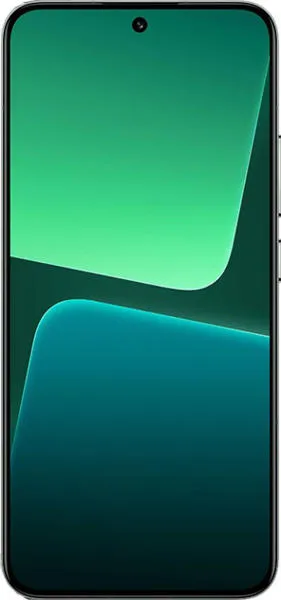
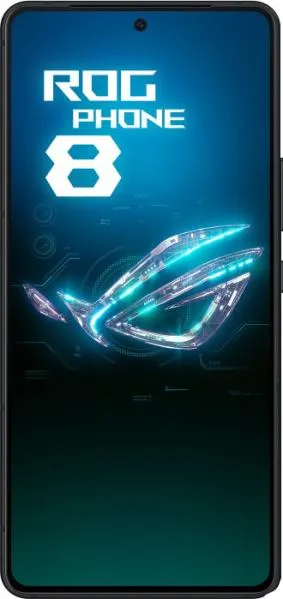
Xiaomi 13 vs. Asus ROG Phone 8: A Detailed Comparison
Let's dive deep into a comparative analysis of the Xiaomi 13 and the Asus ROG Phone 8, dissecting their specifications and uncovering what they truly offer in real-world usage.
1. Specifications Breakdown
| Feature | Xiaomi 13 | Asus ROG Phone 8 | Real-World Implications |
|---|---|---|---|
| Design | |||
| Dimensions (mm) | 152.8 x 71.5 x 8 | 163.8 x 76.8 x 8.9 | Xiaomi 13 is noticeably more compact and pocketable. ROG Phone 8 prioritizes screen real estate and thermal management, resulting in a larger size. |
| Weight (g) | 185 | 225 | Xiaomi 13 is significantly lighter, reducing hand fatigue during extended use. ROG Phone 8's weight reflects its robust build and larger battery. |
| Display | |||
| Size (inches) | 6.36 | 6.78 | ROG Phone 8 offers a larger display for more immersive gaming and media consumption. Xiaomi 13 provides a comfortable one-handed experience. |
| Resolution | 1080 x 2400 | 1080 x 2400 | Both offer sharp FHD+ resolution. Pixel density difference is negligible in daily use. |
| Refresh Rate (Hz) | 120 | 165 | ROG Phone 8's higher refresh rate delivers smoother animations and a more responsive gaming experience. |
| Panel Type | AMOLED | LTPO AMOLED | Both offer vibrant colors and deep blacks. ROG Phone 8's LTPO panel enables variable refresh rate for improved battery efficiency. |
| Peak Brightness | 1900 nits | 2500 nits | ROG Phone 8's superior peak brightness ensures better visibility in direct sunlight. |
| Performance | |||
| Chipset | Snapdragon 8 Gen 2 | Snapdragon 8 Gen 3 | ROG Phone 8 benefits from the newer generation chipset, resulting in faster processing and graphics performance. |
| CPU | Octa-core | Octa-core | Both offer powerful CPUs, but the Gen 3 architecture in ROG Phone 8 provides a performance advantage. |
| GPU | Adreno 740 | Adreno 750 | ROG Phone 8's Adreno 750 GPU delivers superior graphics rendering, crucial for demanding games and applications. |
| RAM | 8GB/12GB | 12GB/16GB | ROG Phone 8 offers higher RAM configurations for smoother multitasking and handling demanding tasks. |
| Camera | |||
| Main Sensor | 50MP Sony IMX800 | 50MP Sony IMX890 | Both utilize high-resolution Sony sensors. Real-world image quality will depend on image processing and software optimizations. |
| Battery Life | |||
| Capacity (mAh) | 4500 | 5500 | ROG Phone 8's significantly larger battery capacity promises longer usage time between charges. |
2. Key Insights
The Xiaomi 13 shines in its compact design, lighter weight, and flagship-level performance. It's an excellent all-around device for users who prioritize portability and everyday usability.
The Asus ROG Phone 8, on the other hand, is a gaming powerhouse. Its superior display, more powerful processor, higher RAM, larger battery, and gaming-centric features cater to mobile gamers and power users who demand top-tier performance.
3. User Profiles and Recommendations
Xiaomi 13: Ideal for users seeking a balanced, premium smartphone experience. Excellent for everyday tasks, social media, photography, and moderate gaming.
Asus ROG Phone 8: Designed for mobile gaming enthusiasts and power users. Perfect for demanding games, content creation, multitasking, and extended usage without frequent charging.
4. Buying Decision Framework
- What is your primary use case? Everyday use vs. heavy gaming?
- How important is portability and one-handed use?
- What is your budget? The ROG Phone 8 commands a higher price.
My Choice: Xiaomi 13
While the ROG Phone 8 boasts impressive specs, I would choose the Xiaomi 13. My priorities lie in a balanced, portable device that excels in everyday tasks. The Xiaomi 13's compact form factor, lighter weight, and still-powerful Snapdragon 8 Gen 2 processor perfectly align with my needs. While I appreciate the ROG Phone 8's gaming prowess, it's overkill for my usage pattern. The Xiaomi 13 strikes the right balance between performance, portability, and price for me. The significant difference in weight and size are the deciding factors; I value a comfortable phone for everyday carry.
