1. Specifications Comparison
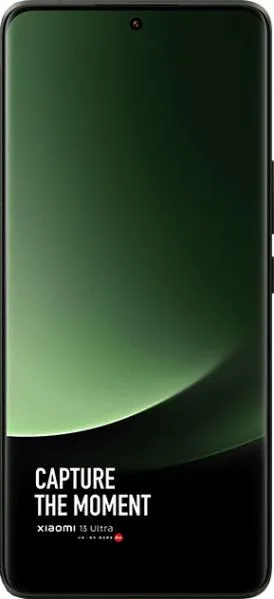
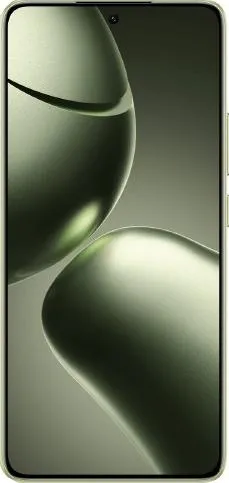
| Feature | Xiaomi 13 Ultra | Xiaomi 14T | Practical Impact |
|---|---|---|---|
| Design | |||
| Dimensions (mm) | 163.2 x 74.6 x 9.1 | 160.5 x 75.1 x 7.8 | 13 Ultra is slightly larger and thicker. 14T is noticeably thinner and lighter. |
| Weight (g) | 227 | 193 | 14T is significantly lighter, improving one-handed use and portability. |
| Display | |||
| Size (inches) | 6.73 | 6.67 | Negligible size difference in real-world usage. |
| Resolution | 1440 x 3200 | 1220 x 2712 | 13 Ultra has a sharper display (522 ppi vs 446 ppi), resulting in crisper text and images. |
| Refresh Rate (Hz) | 120 | 144 | 14T offers a higher refresh rate, leading to smoother animations and scrolling. |
| Peak Brightness (nits) | 2600 | 4000 | 14T can get significantly brighter, improving outdoor visibility. |
| Display Type | LTPO AMOLED | AMOLED | 13 Ultra's LTPO panel allows for dynamic refresh rate adjustment, potentially saving battery. |
| Performance | |||
| Chipset | Snapdragon 8 Gen 2 | Dimensity 8300 Ultra | Both are high-performance chipsets, but Snapdragon 8 Gen 2 generally offers better peak performance. |
| CPU | Octa-core (1x3.2 GHz Cortex-X3 & 2x2.8 GHz Cortex-A715 & 2x2.8 GHz Cortex-A710 & 3x2.0 GHz Cortex-A510) | Octa-core (1x3.35 GHz Cortex-A715 & 3x3.20 GHz Cortex-A715 & 4x2.20 GHz Cortex-A510) | Both offer excellent multi-tasking capabilities. Slight differences in core configuration might favor certain specialized tasks, but general performance will be comparable for most users. |
| GPU | Adreno 740 | Mali G615-MC6 | Adreno 740 generally provides superior gaming performance. |
| RAM (GB) | 12 | 12 | Both phones offer ample RAM for smooth multitasking. |
| Camera | |||
| Main Camera (MP) | 50 | 50 | Both have high-resolution sensors. 13 Ultra boasts a larger 1-inch sensor (Sony IMX989), potentially offering better low-light performance and depth of field. |
| Ultrawide (MP) | 50 | 13 | Significant difference in resolution. 13 Ultra's ultrawide offers much higher detail. |
| Telephoto | Variable telephoto lenses | Single 50MP Telephoto | 13 Ultra's Leica-tuned variable telephoto system provides greater flexibility and potentially superior image quality across zoom ranges. |
| Battery | |||
| Capacity (mAh) | 5000 | 5000 | Similar battery capacity suggests comparable battery life, but real-world usage will depend on software optimization and display usage. |
| Other | |||
| USB Version | 3.2 | 2.0 | 13 Ultra's USB 3.2 offers significantly faster data transfer speeds. |
| Price Range | High | Medium | 13 Ultra is significantly more expensive. |
2. Key Differences Analysis
Xiaomi 13 Ultra Advantages:
- Superior Camera System: The Leica-tuned camera system with a 1-inch main sensor and variable telephoto lenses offers a significant advantage in image quality, versatility, and low-light performance.
- Sharper Display: Higher resolution provides a noticeably crisper viewing experience.
- Faster Data Transfer: USB 3.2 enables quicker file transfers.
- LTPO Display: Potentially better battery efficiency due to dynamic refresh rate.
Xiaomi 14T Advantages:
- Higher Refresh Rate: Smoother animations and scrolling experience.
- Brighter Display: Better visibility in direct sunlight.
- Lighter and Thinner: Improved one-handed usability and portability.
- Lower Price: Significantly more affordable.
3. User Profiles & Recommendations
Xiaomi 13 Ultra: Ideal for photography enthusiasts, professionals, and users who prioritize the best possible camera experience and a premium display.
Xiaomi 14T: Suitable for users seeking a balance of performance, display quality, and affordability. Good for gamers due to the high refresh rate display.
4. Decision Framework
Key Questions for Buyers:
- What is your budget? The 13 Ultra commands a significantly higher price.
- Is camera quality your top priority? If so, the 13 Ultra is the clear winner.
- Do you value portability and affordability over peak performance and camera features? If yes, the 14T is a strong contender.
My Choice: Xiaomi 14T
While the Xiaomi 13 Ultra boasts a truly impressive camera system, the Xiaomi 14T offers a compelling combination of performance, display quality, and affordability. The higher refresh rate screen, brighter display for outdoor use, and significantly lower price make it a more practical choice for my needs. As someone who values a smooth user experience, good battery life, and portability, the 14T's lighter weight and thinner profile are also major advantages. While I appreciate the 13 Ultra's camera prowess, the 14T's camera is still very capable for everyday use. Ultimately, the significant price difference and the 14T's well-rounded feature set make it the better overall value for me.
