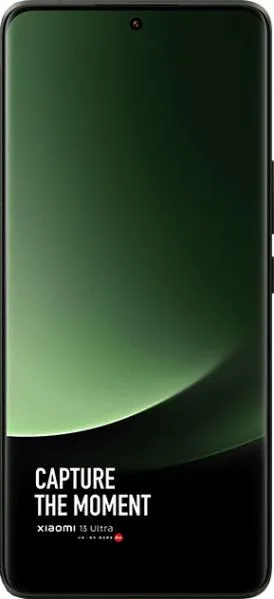
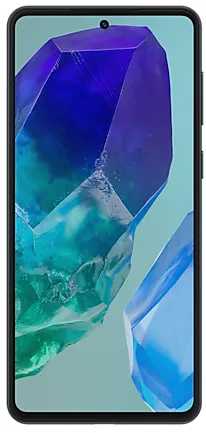
1. Specifications Comparison
| Feature | Xiaomi 13 Ultra | Samsung Galaxy M55 | Practical Impact |
|---|---|---|---|
| Design | |||
| Dimensions (mm) | 163.2 x 74.6 x 9.1 | 163.9 x 76.5 x 7.8 | M55 is slightly thinner and lighter. Ultra might feel more premium due to potential material choices (not specified). |
| Weight (g) | 227 | 180 | Noticeable weight difference; M55 is more comfortable for extended use. |
| Display | |||
| Size (inches) | 6.73 | 6.7 | Negligible size difference. |
| Resolution | 1440 x 3200 | 1080 x 2400 | Ultra has significantly sharper display (522 vs 393 PPI), noticeable in text clarity and image detail. |
| Type | LTPO AMOLED | Super AMOLED | Both offer vibrant colors and deep blacks. LTPO allows for dynamic refresh rate adjustment on the Ultra, saving battery. |
| Refresh Rate (Hz) | 120 | 120 | Both offer smooth scrolling and animations. |
| Peak Brightness (nits) | 2600 | 1000 (HBM) | Ultra has much higher peak brightness, improving outdoor visibility. Missing specific value for standard brightness on M55. |
| Performance | |||
| Chipset | Snapdragon 8 Gen 2 | Snapdragon 7 Gen 1 | Ultra boasts a flagship processor, significantly outperforming the M55 in demanding tasks like gaming and multitasking. |
| CPU | Octa-core (up to 3.2 GHz) | Octa-core (up to 2.4 GHz) | Ultra's CPU offers faster processing speeds, resulting in quicker app launches and smoother performance. |
| GPU | Adreno 740 | Adreno 644 | Ultra's GPU provides superior graphics performance for gaming and visually intensive applications. |
| RAM | 12GB (reviewed model) | 8GB (reviewed model) | More RAM on the Ultra allows for better multitasking and smoother performance with many apps open. |
| Camera | |||
| Main Camera | 50MP, 1-inch sensor | 50MP | Ultra's larger sensor size should capture more light and detail, especially in low-light conditions. Sensor model not specified for M55 limits comparison. |
| Other Cameras | Variable aperture telephoto lenses | Wide, macro | Ultra offers superior zoom capabilities and versatility with dedicated telephoto lenses. |
| Battery | |||
| Capacity (mAh) | 5000 | 5000 | Similar battery capacity; real-world battery life depends on optimization and usage. |
| Other | |||
| Price Range | High | Medium | Significant price difference. Ultra is a premium flagship, M55 is a mid-range device. |
| USB Version | 3.2 | 2.0 | Ultra offers faster data transfer speeds. |
2. Key Differences Analysis
Xiaomi 13 Ultra Advantages:
- Superior Performance: Flagship chipset and higher RAM for smoother, faster operation.
- Exceptional Display: Higher resolution, brighter, and more power-efficient due to LTPO technology.
- Advanced Camera System: Larger sensor, variable aperture, and versatile telephoto lenses for professional-grade photography.
Samsung Galaxy M55 Advantages:
- Lower Price: Significantly more affordable.
- Lighter and Thinner: More comfortable for one-handed use and carrying in pockets.
3. User Profiles & Recommendations
Xiaomi 13 Ultra: Ideal for power users, photography enthusiasts, and those who demand the best possible performance and display. Excellent for demanding mobile gaming, content creation, and media consumption.
Samsung Galaxy M55: Suitable for budget-conscious users who prioritize affordability and general everyday use. Good for social media, web browsing, and light gaming.
4. Decision Framework
Key Questions for Buyers:
- What is your budget? The Ultra commands a premium price.
- What are your primary smartphone uses? Casual use vs. demanding tasks.
- How important is camera quality? The Ultra offers a significant advantage.
Scenario-Based Recommendations:
- Limited Budget: M55 offers good value.
- Best Possible Camera: Ultra is the clear winner.
- Top-Tier Performance: Ultra provides flagship-level speed.
My Choice: Xiaomi 13 Ultra
While significantly more expensive, the Xiaomi 13 Ultra offers a substantial upgrade in performance, display, and camera capabilities. The Snapdragon 8 Gen 2, combined with 12GB of RAM, ensures a smooth and responsive experience for any task. The superior display quality and advanced camera system cater to my preference for high-quality media consumption and photography. While the M55 provides good value for its price, the Ultra's advantages justify the premium for my needs. The faster USB standard is also a plus for quicker data transfer. I value the long-term investment in a more powerful and feature-rich device.
