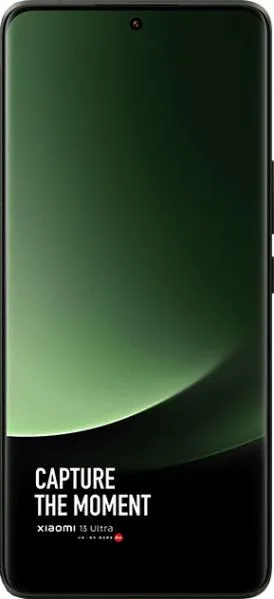

1. Specifications Comparison
| Feature | Xiaomi 13 Ultra | OnePlus 12R | Practical Impact |
|---|---|---|---|
| Design | |||
| Dimensions (mm) | 163.2 x 74.6 x 9.1 | 163.3 x 75.3 x 8.8 | Virtually identical in size, with the 12R being slightly thinner. Negligible difference in hand feel. |
| Weight (g) | 227 | 207 | The 13 Ultra is noticeably heavier. May impact one-handed use and pocket comfort. |
| Display | |||
| Size (inches) | 6.73 | 6.78 | Negligible difference in screen real estate. |
| Resolution (px) | 1440 x 3200 | 1264 x 2780 | 13 Ultra has a sharper display (522 ppi vs 450 ppi). Noticeable difference in clarity, especially for text and fine details. |
| Display Type | LTPO AMOLED | LTPO4 AMOLED | Both offer excellent contrast and vibrant colors. LTPO allows for more granular dynamic refresh rate control, potentially saving battery on the 13 Ultra. |
| Peak Brightness (nits) | 2600 | 4500 | 12R has significantly higher peak brightness, improving outdoor visibility. |
| Performance | |||
| Chipset | Snapdragon 8 Gen 2 | Snapdragon 8 Gen 2 | Identical chipsets provide comparable performance in everyday tasks and demanding games. |
| RAM (GB) | 12/16 | 16 | 12R configuration has more RAM, potentially benefitting multitasking and demanding applications. |
| OS | Android 13 | Android 14 | 12R launches with a newer Android version and longer promised software updates, ensuring security and feature updates for a longer period. |
| Camera | |||
| Main Camera (MP) | 50 (1-inch sensor) | 50 | 13 Ultra boasts a significantly larger sensor, potentially capturing more light and detail, especially in low light conditions. |
| Ultrawide (MP) | 50 | 8 | Vast difference in resolution. 13 Ultra's ultrawide will offer far superior detail and image quality. |
| Telephoto | Variable 3.2x - 5x Optical Zoom | None specified | 13 Ultra provides optical zoom versatility for different shooting scenarios; significant advantage for photography enthusiasts. OnePlus relies on digital zoom, resulting in quality loss. |
| DXOMARK Score | 140 (Mobile), 128 (Selfie) | Not Available | 13 Ultra's high DXOMARK score indicates excellent camera performance, though real-world results may vary. Lack of score for the 12R makes direct comparison difficult. |
| Battery | |||
| Capacity (mAh) | 5000 | 5500 | 12R has a larger battery, potentially offering longer battery life. However, real-world usage will depend on various factors. |
| USB Type | USB Type-C 3.2 | USB Type-C 2.0 | 13 Ultra offers faster data transfer speeds with USB 3.2. The practical impact for most users is limited unless frequently transferring large files. |
2. Key Differences Analysis
Xiaomi 13 Ultra Advantages:
- Superior Display Sharpness: Noticeably crisper display.
- Significantly Better Camera System: Larger main sensor, high-resolution ultrawide, and true optical zoom offer a substantial advantage.
- Higher DXOMARK Scores: Indicative of excellent camera performance (though real-world results can vary).
- Faster Data Transfer: USB 3.2 provides faster speeds for large file transfers.
OnePlus 12R Advantages:
- Lighter Weight: More comfortable for extended use and one-handed operation.
- Brighter Display: Improved outdoor visibility.
- Larger Battery: Potentially longer battery life.
- Lower Price: Offers strong value for its performance.
- More RAM in tested configuration: Better for multitasking and demanding apps.
- Newer Android Version with Longer Support: Longer software updates and newer features out-of-the-box.
3. User Profiles & Recommendations
Xiaomi 13 Ultra: Ideal for photography enthusiasts, professionals, and users who prioritize display sharpness and overall camera quality. Excellent for content creation, capturing memories in detail, and enjoying multimedia.
OnePlus 12R: Suitable for users seeking a powerful, value-oriented device with excellent performance, long battery life, and a bright display. A good choice for gamers, social media users, and those on a budget.
4. Decision Framework
Key Questions for Buyers:
- What is your budget? The 13 Ultra falls in a high price range, while the 12R is more mid-range.
- Is camera quality your top priority? The 13 Ultra significantly outperforms the 12R in this area.
- How important is display sharpness and brightness? The 13 Ultra has a sharper display, while the 12R offers higher peak brightness.
My Choice:
I would choose the Xiaomi 13 Ultra. While the OnePlus 12R offers great value, the significantly superior camera system of the 13 Ultra is the deciding factor for me. I prioritize image quality and appreciate the versatility provided by the true optical zoom. The sharper display is also a plus. While the higher price is a consideration, the 13 Ultra's camera capabilities justify the premium for my needs. The heavier weight is a minor drawback I'm willing to accept for the overall superior photographic experience.
