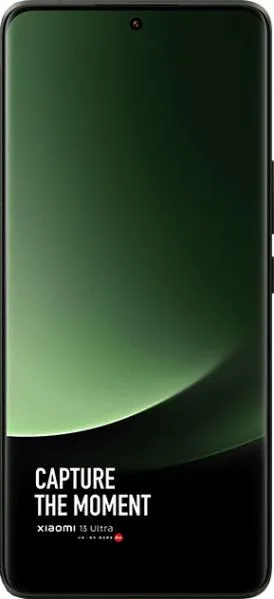
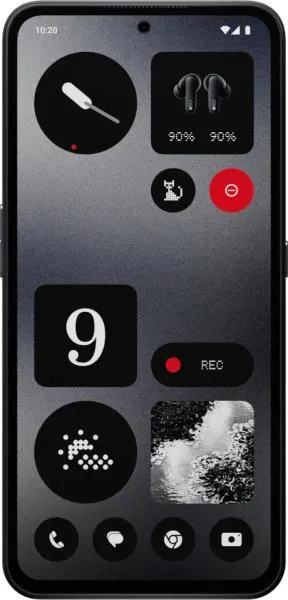
1. Specifications Comparison
| Feature | Xiaomi 13 Ultra | Nothing CMF Phone 1 | Practical Impact |
|---|---|---|---|
| Design | |||
| Dimensions (mm) | 163.2 x 74.6 x 9.1 | 164 x 77 x 8.2 | The Nothing phone is slightly larger and thinner. Xiaomi might feel slightly denser in hand. |
| Weight (g) | 227 | 197 | The Xiaomi is noticeably heavier, potentially impacting one-handed use. |
| Build | Unspecified | Unspecified | Build materials impact durability and premium feel; information is missing for a complete comparison. |
| Display | |||
| Size (inches) | 6.73 | 6.67 | Negligible difference in screen real estate. |
| Resolution | 1440 x 3200 | 1080 x 2400 | Xiaomi offers significantly sharper visuals due to higher pixel density (522 vs 395 PPI). Text, images, and videos will appear crisper on the Xiaomi. |
| Type | LTPO AMOLED | AMOLED | Both offer vibrant colors and deep blacks. Xiaomi's LTPO panel allows for dynamic refresh rate adjustment (1-120Hz), saving battery while maintaining smooth scrolling. |
| Peak Brightness | 2600 nits | 2000 nits | Xiaomi's display will be more visible in direct sunlight. |
| Performance | |||
| Chipset | Snapdragon 8 Gen 2 | Dimensity 7300 | The Snapdragon 8 Gen 2 in the Xiaomi offers significantly better performance in demanding tasks like gaming and multitasking. |
| CPU | Octa-core (1x3.2 GHz Cortex-X3 & 2x2.8 GHz Cortex-A715 & 2x2.8 GHz Cortex-A710 & 3x2.0 GHz Cortex-A510) | Octa-core (4x2.5 GHz Cortex-A78 & 4x2.0 GHz Cortex-A55) | Xiaomi's CPU architecture is more powerful and efficient. |
| GPU | Adreno 740 | Mali-G615 MC2 | The Adreno 740 provides a superior gaming experience with higher frame rates and better graphics rendering compared to the Mali-G615. |
| RAM | 12GB | 8GB | More RAM in the Xiaomi allows for smoother multitasking and better handling of memory-intensive applications. |
| Camera | |||
| Rear Cameras | 50MP (Wide) + 50MP (Ultrawide+Macro) + 50MP (Telephoto) + 50MP (Periscope Telephoto) | 50MP (Wide) + 2MP (Depth) | Xiaomi boasts a vastly superior camera system with Leica lenses, a larger main sensor, and versatile telephoto capabilities. |
| Video Recording | Up to 8K@24fps | Up to 4K@30fps | Xiaomi offers higher resolution video recording and more advanced features like HDR and EIS. |
| Battery | |||
| Capacity | 5000 mAh | 5000 mAh | Similar battery capacity suggests comparable battery life, though real-world usage will depend on other factors like display and processor efficiency. |
2. Key Differences Analysis
Xiaomi 13 Ultra Advantages:
- Flagship Performance: Significantly more powerful processor and GPU for demanding tasks and gaming.
- Superior Display: Higher resolution, brighter, and more power-efficient LTPO panel.
- Advanced Camera System: Leica-tuned quad camera setup with versatile zoom capabilities and a larger main sensor.
Nothing CMF Phone 1 Advantages:
- Lighter and More Affordable: Significantly lower price point and lighter weight.
Trade-offs: The Nothing phone sacrifices performance, display quality, and camera capabilities for a lower price. The Xiaomi is significantly more expensive and heavier.
3. User Profiles & Recommendations
Xiaomi 13 Ultra: Ideal for power users, photographers, videographers, and mobile gamers who demand the best performance and features.
Nothing CMF Phone 1: Suitable for budget-conscious users who prioritize basic functionality and a lightweight design over top-tier performance and camera capabilities.
4. Decision Framework
Key Questions for Buyers:
- What is your budget? The price difference is significant.
- What are your primary use cases? (e.g., photography, gaming, everyday tasks)
- Do you prioritize performance and premium features or affordability and lightness?
Scenario-Based Recommendations:
- Photography Enthusiast: Xiaomi 13 Ultra
- Casual User on a Budget: Nothing CMF Phone 1
- Mobile Gamer: Xiaomi 13 Ultra
My Choice: Xiaomi 13 Ultra
While significantly more expensive, the Xiaomi 13 Ultra offers a compelling combination of top-tier performance, a stunning display, and a truly exceptional camera system. The Snapdragon 8 Gen 2, coupled with 12GB of RAM, ensures a smooth and responsive experience for any task. The LTPO AMOLED display is visually impressive and battery-friendly. As a photography enthusiast, the Leica-tuned quad camera setup is the deciding factor. The investment is justified by the significant leap in quality and capabilities across the board. The added weight is a minor trade-off for the substantial performance and feature gains.
