1. Specifications Comparison
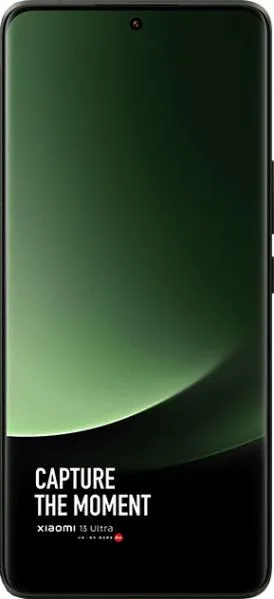
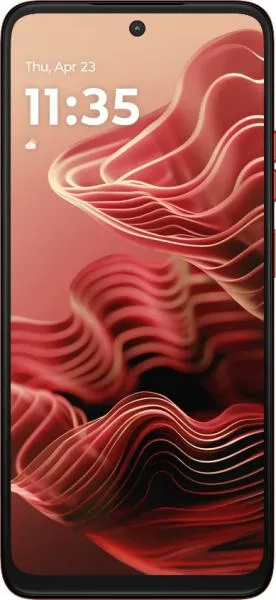
| Feature | Xiaomi 13 Ultra | Motorola Moto G35 | Practical Impact |
|---|---|---|---|
| Design | |||
| Dimensions (mm) | 163.2 x 74.6 x 9.1 | 166.3 x 76 x 7.8 | The Xiaomi 13 Ultra is slightly smaller and thinner. |
| Weight (g) | 227 | 188 | The Moto G35 is noticeably lighter, improving one-handed use. |
| Build | Missing | Missing | Build quality and materials impact durability and premium feel; information is lacking for both. |
| Display | |||
| Display Type | 6.73" LTPO AMOLED | 6.72" IPS LCD | The Xiaomi's AMOLED offers superior contrast, deeper blacks, and potentially better power efficiency due to LTPO. |
| Resolution | 1440 x 3200 | 1080 x 2400 | Sharper, more detailed visuals on the Xiaomi. Noticeable difference in clarity for text and images. |
| Refresh Rate | 120Hz | 120Hz | Both offer smooth scrolling and animations. |
| Peak Brightness | 2600 nits | 1000 nits | The Xiaomi will be significantly more visible in direct sunlight. |
| Performance | |||
| Chipset | Snapdragon 8 Gen 2 | Unisoc T760 | The Snapdragon 8 Gen 2 offers significantly faster processing, smoother gaming, and better overall performance. |
| CPU | Octa-core (1x3.2 GHz Cortex-X3 & 2x2.8 GHz Cortex-A715 & 2x2.8 GHz Cortex-A710 & 3x2.0 GHz Cortex-A510) | Octa-core (1x2.2 GHz Cortex-A76 & 3x Cortex-A76 & 4x Cortex-A55) | More powerful CPU cores in the Xiaomi translate to faster app loading, multitasking, and demanding tasks. |
| GPU | Adreno 740 | Mali-G57 | The Adreno 740 provides a superior gaming experience with higher frame rates and better graphics rendering. |
| RAM | 12GB/16GB | 4GB/8GB | More RAM in the Xiaomi allows for smoother multitasking and less frequent app reloading. |
| Camera | |||
| Main Camera | 50MP Sony IMX989 (1-inch sensor) | 50MP Samsung S5KJN1 | The Xiaomi boasts a significantly larger sensor, promising better low-light performance and dynamic range. |
| Other Cameras | Triple 50MP + 32MP Selfie | 8MP Ultrawide + 16MP Selfie | The Xiaomi offers a more versatile camera system with higher resolution telephoto and ultrawide lenses. |
| Video Recording | Up to 8K@24fps | Up to 4K@30fps | Higher resolution and frame rate options on the Xiaomi for professional-grade video recording. |
| Battery | |||
| Capacity | 5000 mAh | 5000 mAh | Similar battery capacity suggests comparable battery life, but real-world usage will depend on software optimization and display efficiency. |
| Charging Speed | Missing | Missing | Charging speed significantly impacts daily usability, but information is lacking for both. |
2. Key Differences Analysis
Xiaomi 13 Ultra Advantages:
- Flagship Performance: The Snapdragon 8 Gen 2 and ample RAM deliver top-tier performance for demanding tasks and gaming.
- Superior Display: The LTPO AMOLED provides vibrant colors, deep blacks, and high brightness.
- Advanced Camera System: The Leica-tuned quad-camera setup with a 1-inch sensor offers exceptional image quality and versatility.
Motorola Moto G35 Advantages:
- Lightweight Design: Noticeably lighter than the Xiaomi, making it more comfortable for extended use.
- Lower Price: Significantly more affordable, offering good value for its specifications.
3. User Profiles & Recommendations
Xiaomi 13 Ultra: Ideal for power users, photographers, videographers, and gamers who demand the best performance, display, and camera capabilities. Excellent for content creation and consuming high-quality media.
Motorola Moto G35: Suitable for budget-conscious users who prioritize essential features like calling, messaging, web browsing, and casual photography. A good option for those seeking a reliable device without breaking the bank.
4. Decision Framework
Key Questions for Buyers:
- What is your budget? The Xiaomi is a premium flagship, while the Moto G35 is a mid-range option.
- What are your primary use cases? Identify your needs (e.g., gaming, photography, everyday use).
- Do you prioritize performance, display, and camera quality over affordability?
Scenario-Based Recommendations:
- Limited Budget: Moto G35
- Photography Enthusiast: Xiaomi 13 Ultra
- Hardcore Gamer: Xiaomi 13 Ultra
- Everyday Use with Good Value: Moto G35
My Choice: Xiaomi 13 Ultra
While the Moto G35 offers excellent value, I would choose the Xiaomi 13 Ultra. The superior performance, stunning display, and advanced camera system are compelling. The Snapdragon 8 Gen 2 ensures a future-proof experience, and the 1-inch camera sensor is a game-changer for mobile photography. I prioritize a smooth, powerful user experience and high-quality visuals, making the Xiaomi worth the investment despite the higher price. The lighter weight of the Moto G35 is tempting, but the overall package of the Xiaomi is far more appealing to me.
