1. Specifications Comparison
| Feature | Xiaomi 13 Ultra | Motorola Edge 50 Ultra | Practical Impact |
|---|---|---|---|
| Design | |||
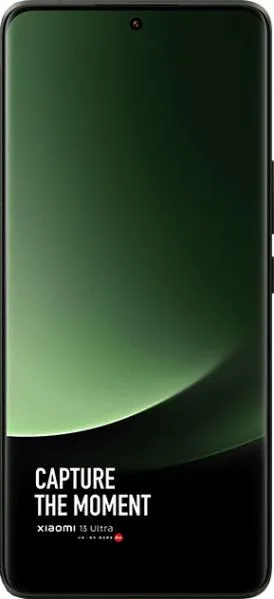
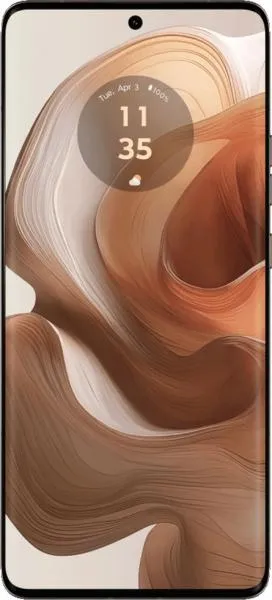
| Dimensions (mm) | 163.2 x 74.6 x 9.1 | 161.1 x 72.4 x 8.6 | Xiaomi is slightly larger and thicker. Motorola feels more compact in hand. |
| Weight (g) | 227 | 197 | Noticeable weight difference; Xiaomi feels significantly heavier. |
| Build Materials | Missing | Missing | Cannot compare build quality and durability. |
| Display | |||
| Display Type | 6.73" LTPO AMOLED | 6.7" P-OLED | Both offer vibrant colors and deep blacks. Xiaomi's LTPO allows for dynamic refresh rate adjustment, saving battery. |
| Resolution | 1440 x 3200 | 1220 x 2712 | Xiaomi has a sharper display with more detail. Difference noticeable in text and images. |
| Refresh Rate | 120Hz (adaptive) | 144Hz | Motorola offers smoother scrolling and animations, but at potential cost to battery life. Xiaomi's adaptive rate balances smoothness and battery efficiency. |
| Peak Brightness | 2600 nits | 2500 nits | Both are exceptionally bright, ensuring good visibility outdoors. |
| Performance | |||
| Chipset | Snapdragon 8 Gen 2 | Snapdragon 8s Gen 3 | Both are high-end chipsets, but 8s Gen 3 is newer with potentially improved performance and efficiency. |
| CPU | Octa-core (1x3.2 GHz X3...) | Octa-core (1x3.0 GHz X4...) | Core configurations suggest similar multi-core performance. Clock speed differences might favor Xiaomi in single-core tasks, but real-world impact needs benchmarking. |
| GPU | Adreno 740 | Adreno 735 | Xiaomi likely has a slight edge in graphics performance, beneficial for demanding games. |
| RAM | 12GB | 12GB/16GB | Motorola offers a 16GB RAM option for even more aggressive multitasking. 12GB is generally ample for most users. |
| Camera | |||
| Main Camera | 50MP, 1" Sony IMX989 | 50MP, 1/1.3" OmniVision OV50H | Xiaomi boasts a significantly larger sensor, potentially capturing more light and detail, especially in low light. |
| Telephoto | Multiple telephoto lenses | 64MP, 3x optical zoom | Xiaomi offers more versatile telephoto options, while Motorola has a single telephoto lens with a good zoom range. |
| Ultrawide | 50MP | 50MP | Similar resolution, but lens quality and field of view details are missing, making a detailed comparison impossible. |
| Battery | |||
| Capacity | 5000mAh | 4500mAh | Xiaomi has a larger battery, likely translating to longer battery life. |
| Charging Speed | Missing | Missing | Cannot compare charging speeds. |
2. Key Differences Analysis
Xiaomi 13 Ultra Advantages:
- Superior Display: Sharper resolution and LTPO technology for better battery efficiency.
- Larger Main Camera Sensor: Potentially better low-light performance and image quality.
- More Versatile Camera System: Multiple telephoto lenses for various zoom ranges.
- Larger Battery: Potentially longer battery life.
Motorola Edge 50 Ultra Advantages:
- Faster Refresh Rate: Smoother scrolling and animations.
- Newer Chipset: Potentially better performance and efficiency.
- Higher RAM Option: 16GB option available for heavy multitasking.
- Lower Price: Positioned in a more affordable price range.
3. User Profiles & Recommendations
Xiaomi 13 Ultra: Ideal for photography enthusiasts, power users who demand the best display, and those prioritizing battery life. Excellent for capturing detailed photos and videos, enjoying multimedia content, and extended usage without recharging.
Motorola Edge 50 Ultra: Suitable for users seeking a balance of performance, features, and affordability. Good for gamers who prioritize high refresh rates, multitaskers who need ample RAM, and budget-conscious buyers who want a flagship-level experience.
4. Decision Framework
Key Questions:
- What is your budget? The Xiaomi is significantly more expensive.
- What are your photography needs? Xiaomi offers a more advanced camera system.
- What is your priority: battery life or display smoothness? Xiaomi excels in battery, Motorola in smoothness.
Scenario-Based Recommendations:
- Limited Budget: Motorola Edge 50 Ultra
- Photography Enthusiast: Xiaomi 13 Ultra
- Heavy Gamer: Motorola Edge 50 Ultra (for 144Hz)
- All-Day Battery Life: Xiaomi 13 Ultra
My Choice: Xiaomi 13 Ultra
While the Motorola Edge 50 Ultra offers a compelling package with its newer chipset and high refresh rate display, the Xiaomi 13 Ultra's superior camera system and larger battery are decisive factors for me. I prioritize image quality and all-day battery life, and the Xiaomi's 1-inch sensor and 5000mAh battery address these needs effectively. The sharper display is a bonus. I am willing to pay the premium for these advantages and the overall more polished experience that the Xiaomi 13 Ultra seems to offer. The slight difference in performance between the chipsets is less critical to me than the tangible benefits in camera and battery.
