1. Specifications Comparison
| Feature | Xiaomi 13 Ultra | Honor X7b | Practical Impact |
|---|---|---|---|
| Design | |||
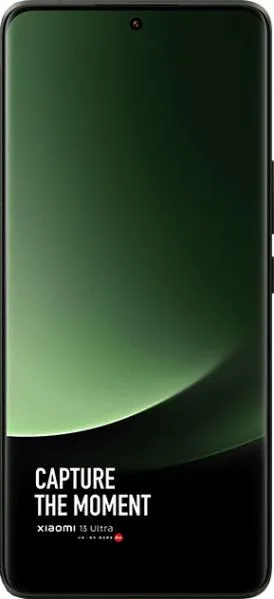
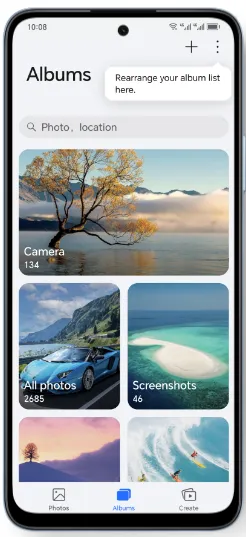
| Dimensions (mm) | 163.2 x 74.6 x 9.1 | 166.7 x 76.5 x 8.2 | The Honor X7b is slightly larger and thinner. |
| Weight (g) | 227 | 199 | The Xiaomi 13 Ultra is noticeably heavier. |
| Build | Unspecified | Unspecified | Build materials impact durability and premium feel; information is lacking for both. |
| Display | |||
| Display Type | 6.73" LTPO AMOLED | 6.8" IPS LCD | The Xiaomi's AMOLED offers better contrast, deeper blacks, and potentially higher power efficiency due to LTPO. The Honor's larger LCD may be preferable for some due to perceived eye strain differences. |
| Resolution | 1440 x 3200 | 1080 x 2412 | The Xiaomi has a significantly sharper display with higher pixel density (522 ppi vs 389 ppi), resulting in crisper text and images. |
| Refresh Rate | 120Hz | 90Hz | The Xiaomi's 120Hz display provides smoother animations and scrolling. |
| HDR | Dolby Vision, HDR10+ | None specified | The Xiaomi supports wider HDR formats, delivering better dynamic range and color accuracy in supported content. |
| Peak Brightness | 2600 nits | 850 nits (peak) | The Xiaomi gets much brighter, making it far more usable in direct sunlight. |
| Performance | |||
| Chipset | Snapdragon 8 Gen 2 | Snapdragon 680 4G | The Xiaomi features a flagship processor, delivering significantly faster performance for demanding tasks, gaming, and multitasking compared to the Honor's mid-range chip. |
| CPU | Octa-core (1x3.2 GHz Cortex-X3 & 2x2.8 GHz Cortex-A715 & 2x2.8 GHz Cortex-A710 & 3x2.0 GHz Cortex-A510) | Octa-core (4x2.4 GHz Kryo 265 Gold & 4x1.9 GHz Kryo 265 Silver) | The Xiaomi's CPU architecture is more powerful and efficient. |
| GPU | Adreno 740 | Adreno 610 | The Xiaomi's GPU provides a substantial advantage in gaming and graphics-intensive applications. |
| RAM | 12GB (tested) | 6/8GB | The Xiaomi offers more RAM, enabling better multitasking and smoother performance with multiple apps open. |
| Camera | |||
| Main Camera | 50MP, 1" Sony IMX989 sensor | 108MP | The Xiaomi uses a larger sensor, potentially leading to better low-light performance and dynamic range despite lower resolution. |
| Other Cameras | 50MP Wide, 50MP Telephoto (x3.2/x5) | 5MP Wide, 2MP Depth, 2MP Macro | The Xiaomi offers significantly more versatile telephoto capabilities. The Honor's auxiliary cameras are generally low resolution and less useful. |
| Video Recording | Up to 8K@24fps | Up to 1080p@30fps | The Xiaomi offers significantly higher video resolution and frame rate options. |
| Battery | |||
| Capacity | 5000 mAh | 5330 mAh | The Honor has a slightly larger battery capacity. |
| Charging | Unspecified | Unspecified | Charging speeds are crucial for usability but are missing from the provided data. |
2. Key Differences Analysis
Xiaomi 13 Ultra Advantages:
- Flagship Performance: Significantly faster and smoother overall experience due to the Snapdragon 8 Gen 2 chip.
- Superior Display: Higher resolution, refresh rate, AMOLED technology, and HDR support lead to a dramatically better visual experience.
- Versatile Camera System: Leica-tuned lenses, larger sensor size, and powerful telephoto capabilities offer superior image and video quality.
- Brighter Display: Far more usable outdoors.
Honor X7b Advantages:
- Larger Battery: Potentially longer battery life, although real-world usage depends on optimization and usage patterns.
- Lower Price: Significantly more affordable, making it a budget-friendly option.
- Lighter Weight: More comfortable for extended use.
Trade-offs:
- The Xiaomi's superior performance and features come at a much higher price.
- The Honor sacrifices performance, display quality, and camera capabilities for affordability and battery size.
3. User Profiles & Recommendations
Xiaomi 13 Ultra: Ideal for power users, photographers, videographers, and gamers who demand the best performance, display, and camera technology. Excellent for content creation, demanding applications, and immersive gaming.
Honor X7b: Suitable for budget-conscious users who prioritize basic functionality, long battery life, and affordability. Best for casual web browsing, social media, and light gaming.
4. Decision Framework
Key Questions for Buyers:
- What is your budget? The Xiaomi is a premium flagship, while the Honor is a budget-friendly device.
- What are your primary use cases? Identify your needs (photography, gaming, everyday use) to determine which phone best fits.
- How important are performance, display quality, and camera capabilities? The Xiaomi excels in these areas, while the Honor prioritizes affordability and battery life.
My Choice: Xiaomi 13 Ultra
While significantly more expensive, the Xiaomi 13 Ultra offers a vastly superior user experience across the board. The Snapdragon 8 Gen 2, combined with the stunning AMOLED display and high refresh rate, guarantees a smooth and visually impressive experience. The advanced camera system with its larger sensor and versatile lenses is a significant advantage for photography enthusiasts. Although the Honor X7b offers a larger battery and lower price, the performance and feature disparities are too significant to ignore. The Xiaomi 13 Ultra represents a worthwhile investment for users who prioritize a premium smartphone experience.
