1. Specifications Comparison
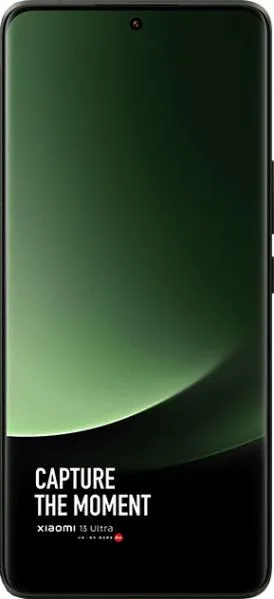
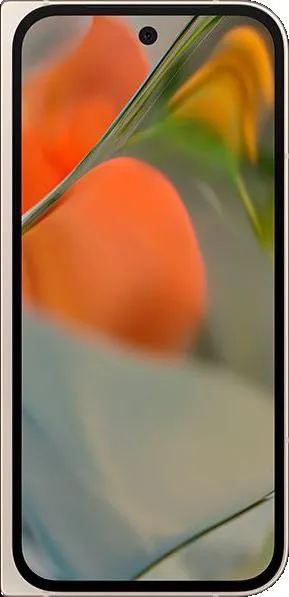
| Feature | Xiaomi 13 Ultra | Google Pixel 9 Pro Fold | Practical Impact |
|---|---|---|---|
| Design | |||
| Dimensions (mm) | 163.2 x 74.6 x 9.1 | 155.2 x 150.2 x 5.1 | Pixel 9 Pro Fold is significantly wider and shorter due to its foldable design, potentially less pocketable when folded but offering a larger screen when unfolded. Xiaomi 13 Ultra is thinner. |
| Weight (g) | 227 | 257 | Pixel 9 Pro Fold is noticeably heavier, impacting one-handed use. |
| Foldable | No | Yes | Pixel offers a larger screen real estate for multitasking and media consumption, but with added bulk. |
| Display | |||
| Display Size (inches) | 6.73 | 8 (Unfolded), ~6.3 (Folded - estimated based on resolution) | Larger display on Pixel when unfolded provides more immersive experience for media and productivity. Xiaomi's screen is still large for everyday use. |
| Resolution (px) | 1440 x 3200 | 2076 x 2152 (Unfolded), 1080 x 2424 (Folded- estimated based on provided data) | Both offer high resolution, sharp displays. Pixel's aspect ratio is squarer when unfolded, beneficial for certain apps and multitasking. |
| Display Type | LTPO AMOLED | Foldable LTPO OLED | Both are high-quality displays with adaptive refresh rates for smooth scrolling and power efficiency. |
| Peak Brightness (nits) | 2600 | 2700 | Pixel's slightly higher peak brightness might offer marginally better visibility in direct sunlight. |
| Performance | |||
| Chipset | Snapdragon 8 Gen 2 | Google Tensor G4 | Both are top-tier chipsets, but benchmarks are needed to compare real-world performance differences. Tensor G4 is expected to excel in AI tasks. |
| CPU | Octa-core (1x3.2 GHz Cortex-X3 & 2x2.8 GHz Cortex-A715 & 2x2.8 GHz Cortex-A710 & 3x2.0 GHz Cortex-A510) | Octa-core (1x3.1 GHz Cortex-X4 & 3x2.6 GHz Cortex-A720 & 4x1.92 GHz Cortex-A520) | Both are powerful CPUs. Specific core configurations suggest potential differences in sustained performance and efficiency, requiring benchmarks for accurate comparison. |
| RAM | 12GB (reviewed model) | 16GB (reviewed model) | More RAM on Pixel could allow for smoother multitasking and better handling of demanding applications. |
| Camera | |||
| Main Camera (MP) | 50 MP (with 1-inch sensor) | 48 MP | Xiaomi boasts a significantly larger sensor, potentially capturing more light and detail, especially in low light. |
| Camera Features | Leica-tuned lenses, Variable Aperture | Xiaomi emphasizes professional-grade photography features through its collaboration with Leica and variable aperture technology. | |
| Battery | |||
| Capacity (mAh) | 5000 | 4650 | Xiaomi has a larger battery capacity, potentially translating to longer battery life. Real-world usage will vary. |
2. Key Differences Analysis
Xiaomi 13 Ultra Advantages:
- Superior Camera System: Larger main sensor, Leica collaboration, and variable aperture suggest a significant advantage in image quality, especially in low light and professional settings.
- Larger Battery: Potentially longer battery life.
- More Compact (when folded): Easier for one-handed use and pocketability.
Google Pixel 9 Pro Fold Advantages:
- Foldable Form Factor: Offers a larger screen for multitasking and media consumption.
- More RAM: Potentially smoother multitasking and performance with demanding apps.
- Longer Software Support: Pixel phones typically receive longer OS and security updates compared to Xiaomi devices.
Trade-offs:
- Foldability vs. Pocketability & Weight: Pixel's foldability comes at the cost of increased weight and bulk.
- Camera Prowess vs. Software & Ecosystem: Xiaomi prioritizes camera technology, while Pixel leans on Google's software and AI capabilities.
3. User Profiles & Recommendations
Xiaomi 13 Ultra: Ideal for users who prioritize camera quality, battery life, and a more traditional smartphone experience. Excellent for photography enthusiasts, professionals, and users who value a compact design.
Google Pixel 9 Pro Fold: Best suited for users who value a large screen for productivity and media consumption, and appreciate the flexibility of a foldable device. Ideal for multitaskers, content creators, and those who want the latest software and features.
4. Decision Framework
Key Questions for Buyers:
- How important is camera quality? If photography is a top priority, the Xiaomi 13 Ultra likely offers a significant advantage.
- Do you need a foldable device? The Pixel 9 Pro Fold's larger screen enhances productivity and entertainment, but adds bulk. Consider your usage patterns.
- What is your budget? Both phones are in a high price range, but specific pricing should be compared.
Scenario-Based Recommendations:
- Frequent traveler: Xiaomi 13 Ultra for its compact size and potentially longer battery life.
- Business professional: Pixel 9 Pro Fold for multitasking and presentations on a larger screen.
- Photography enthusiast: Xiaomi 13 Ultra for its superior camera system.
- Tech-savvy user who values software updates: Google Pixel 9 Pro Fold.
My Choice: Xiaomi 13 Ultra
While the Pixel 9 Pro Fold's foldable screen is intriguing, the Xiaomi 13 Ultra's superior camera system, more compact design, and larger battery are more compelling to me. I prioritize image quality and portability, and the Xiaomi 13 Ultra delivers in those areas. While software updates are important, the Xiaomi's current Android version and expected update cycle are sufficient for my needs. The Pixel's higher RAM is attractive, but I don't typically engage in heavy multitasking that would necessitate it. Ultimately, the Xiaomi 13 Ultra better aligns with my personal preferences and usage patterns. I also prefer a more pocketable device. The larger sensor size on the Xiaomi, coupled with the Leica lens tuning, makes it a clear winner for photography, which is a major consideration for me.
