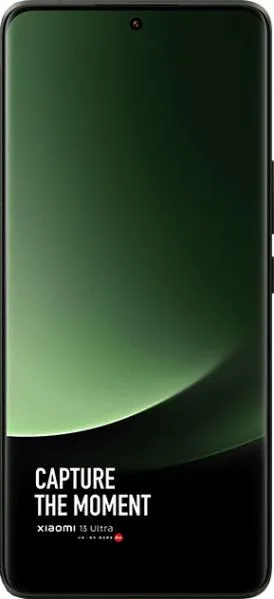
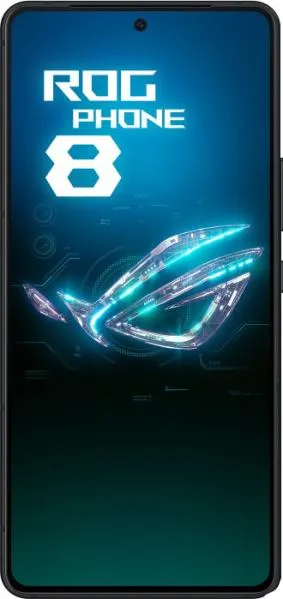
1. Specifications Comparison
| Feature | Xiaomi 13 Ultra | Asus ROG Phone 8 | Practical Impact |
|---|---|---|---|
| Design | |||
| Dimensions (mm) | 163.2 x 74.6 x 9.1 | 163.8 x 76.8 x 8.9 | ROG Phone 8 slightly larger and wider. |
| Weight (g) | 227 | 225 | Negligible weight difference. |
| Build | Material information missing for both phones, impacting durability and premium feel perception. | ||
| Display | |||
| Size (inches) | 6.73 | 6.78 | ROG Phone 8 marginally larger. |
| Resolution | 1440 x 3200 | 1080 x 2400 | Significantly sharper and more detailed visuals on the Xiaomi 13 Ultra due to higher pixel density (522 vs 388 PPI). |
| Refresh Rate (Hz) | 120 | 165 | Smoother animations and transitions on the ROG Phone 8, especially noticeable in gaming and fast-paced content. |
| Display Type | LTPO AMOLED | LTPO AMOLED | Both offer excellent contrast and vibrant colors. |
| Peak Brightness (nits) | 2600 | 2500 | Xiaomi 13 Ultra slightly brighter in direct sunlight. |
| Color Depth | 68B | 1B | ROG Phone 8 boasts a wider color gamut, potentially offering more nuanced color representation. |
| HDR | Dolby Vision, HDR10+ | HDR10 | Xiaomi 13 Ultra supports more HDR formats for a superior HDR viewing experience. |
| Performance | |||
| Chipset | Snapdragon 8 Gen 2 | Snapdragon 8 Gen 3 | ROG Phone 8 features a newer generation chipset, likely resulting in faster processing speeds and improved graphics performance. |
| CPU | Octa-core (up to 3.2 GHz) | Octa-core (up to 3.3 GHz) | ROG Phone 8 has a slightly faster CPU clock speed. |
| GPU | Adreno 740 | Adreno 750 | ROG Phone 8's newer GPU should deliver better gaming and graphics-intensive task performance. |
| RAM | 12GB | 16GB | ROG Phone 8 offers more RAM, enabling better multitasking and handling of demanding applications. |
| Camera | |||
| Main Camera (MP) | 50 | 50 | Both have high-resolution main sensors. |
| Sensor Size | 1" (Xiaomi) | 1/1.56" (Asus) | Significantly larger sensor on Xiaomi 13 Ultra, capturing more light and detail, especially in low-light conditions. |
| Other Cameras | 3 x 50MP Telephoto & Wide | 13MP Wide, 5MP Macro | Xiaomi offers more versatile telephoto capabilities; ROG Phone 8 includes a dedicated macro lens. |
| Battery | |||
| Capacity (mAh) | 5000 | 6000 | Larger battery capacity in the ROG Phone 8, potentially translating to longer battery life. |
2. Key Differences Analysis
Xiaomi 13 Ultra Advantages:
- Superior Display Sharpness: Significantly higher pixel density for crisper visuals.
- More Versatile Camera System: Leica-tuned lenses and a larger main sensor with multiple telephoto options for exceptional photography.
- Brighter Display: Better visibility in direct sunlight.
- Wider HDR Support: More immersive HDR experience with Dolby Vision.
Asus ROG Phone 8 Advantages:
- Faster Performance: Newer generation processor and GPU for smoother gaming and demanding tasks.
- Higher Refresh Rate Display: Ultra-smooth visuals, ideal for gaming and fast-paced content.
- Larger Battery: Potentially longer battery life.
- More RAM: Better for multitasking and demanding applications.
- Lower Price: Offers competitive specifications at a more affordable price point.
3. User Profiles & Recommendations
Xiaomi 13 Ultra: Ideal for photography enthusiasts, professionals, and users who prioritize display quality and a premium camera experience.
Asus ROG Phone 8: Best suited for mobile gamers, power users who demand top-tier performance, and those seeking a longer-lasting battery.
4. Decision Framework
Key Questions for Buyers:
- What is your primary use case? (Photography, gaming, general use)
- What is your budget? (High-end vs. mid-range)
- Which features are most important to you? (Camera quality, performance, battery life, display)
Scenario-Based Recommendations:
- Photography Enthusiast: Xiaomi 13 Ultra
- Hardcore Mobile Gamer: Asus ROG Phone 8
- Balanced User on a Budget: Asus ROG Phone 8
My Choice: Xiaomi 13 Ultra
While the ROG Phone 8 offers tempting performance and a lower price, the Xiaomi 13 Ultra's superior camera system and stunning display are decisive factors for me. I prioritize image quality and a sharp, vibrant screen for everyday use and content consumption. The larger sensor and Leica collaboration on the 13 Ultra promise a significant advantage in photography, which is a key consideration for me. Although the ROG Phone 8 boasts a newer chipset, the Snapdragon 8 Gen 2 in the 13 Ultra is still incredibly powerful and more than sufficient for my needs. The price difference is substantial, but the 13 Ultra's camera and display quality justify the premium for my personal preferences.
