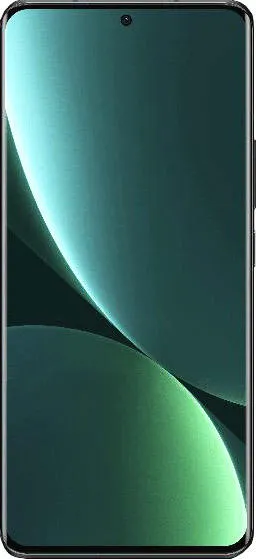
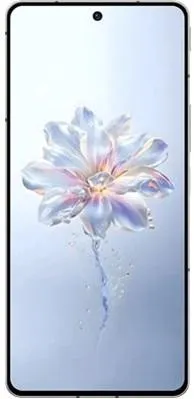
Xiaomi 13 Pro vs. ZTE nubia Z50S Pro: A Deep Dive
The smartphone arena is heating up, with both established players and emerging contenders vying for your attention. Today, we'll dissect two compelling devices: the Xiaomi 13 Pro and the ZTE nubia Z50S Pro. Let's move beyond marketing hype and delve into the engineering nuts and bolts to see how these phones stack up in the real world.
1. Specifications Breakdown
| Feature | Xiaomi 13 Pro | ZTE nubia Z50S Pro | Real-World Implications |
|---|---|---|---|
| Design | |||
| Dimensions (mm) | 162.9 x 74.6 x 8.4 | 163.9 x 76.3 x 8.3 | Z50S Pro is slightly larger; both are relatively thin. Minimal difference in hand feel unless you have smaller hands. |
| Weight (g) | 210 | 228 | Noticeable difference; Z50S Pro might feel heavier in prolonged use. |
| Display | |||
| Size (inches) | 6.73 | 6.8 | Negligible difference in screen real estate. |
| Resolution (px) | 1440 x 3200 | 1260 x 2800 | Sharper, more detailed visuals on the 13 Pro due to higher pixel density (522 vs. 452 PPI). Impacts image clarity and text sharpness. |
| Type | LTPO AMOLED | AMOLED | 13 Pro's LTPO panel allows for dynamic refresh rate adjustment, potentially saving battery life. Smoother scrolling on both due to 120Hz. |
| Peak Brightness | 1900 nits | 1200 nits | 13 Pro offers significantly brighter outdoor visibility. |
| Performance | |||
| Chipset | Snapdragon 8 Gen 2 | Snapdragon 8+ Gen 2 | Z50S Pro boasts a slightly faster, more efficient processor. Expect marginal performance gains in demanding tasks and gaming. |
| RAM (GB) | 12 | 12 | Ample RAM for multitasking on both devices. |
| Camera | |||
| Main Sensor | 50MP Sony IMX989 | 54MP Sony IMX800 | Both offer high-resolution sensors. IMX989 generally praised for low-light performance and dynamic range. Z50S Pro has a dedicated 35mm equivalent lens. |
| Battery Life | |||
| Capacity (mAh) | 4820 | 5100 | Larger battery in the Z50S Pro suggests longer usage time. Real-world battery life depends on usage patterns and software optimization. |
2. Key Insights
- Display: The Xiaomi 13 Pro's LTPO AMOLED display with higher resolution and peak brightness delivers a superior visual experience, especially outdoors. While both phones offer a smooth 120Hz refresh rate, the 13 Pro's dynamic refresh rate adjustment can contribute to better battery efficiency.
- Performance: The ZTE nubia Z50S Pro's Snapdragon 8+ Gen 2 chip holds a slight edge in processing power and efficiency, but the difference in real-world usage might be subtle for most users. Both phones offer ample RAM for smooth multitasking.
- Camera: While megapixel counts are close, the choice between the Sony IMX989 and IMX800 sensors boils down to specific image characteristics. The IMX989 is known for its exceptional low-light capabilities. The Z50S Pro differentiates itself with a unique 35mm equivalent lens for portrait/street photography enthusiasts.
- Battery: The Z50S Pro's larger 5100mAh battery should theoretically provide longer usage time. However, real-world battery performance depends on factors like software optimization and individual usage patterns.
- Price: The Z50S Pro significantly undercuts the 13 Pro in price, making it a compelling value proposition.
3. User Profiles and Recommendations
- Xiaomi 13 Pro: Ideal for users who prioritize a premium display, excellent camera performance (especially in low light), and a more compact form factor. This phone caters to those seeking a flagship experience without compromise.
- ZTE nubia Z50S Pro: Best suited for users seeking top-tier performance at a more competitive price point. The larger battery and unique camera features might appeal to photography enthusiasts and power users who value longer battery life.
4. Buying Decision Framework
- What is your budget? If price is a primary concern, the Z50S Pro offers exceptional value.
- Is display quality a top priority? If you demand the best possible visuals, the 13 Pro's brighter, sharper display is the clear winner.
- Do you prioritize specific camera features? Consider the 13 Pro for superior low-light photography, or the Z50S Pro for its unique 35mm lens if you are a street or portrait photography enthusiast.
My Choice: The Xiaomi 13 Pro
While the ZTE nubia Z50S Pro offers incredible value, I would choose the Xiaomi 13 Pro. The superior display, especially the higher resolution and peak brightness, is a crucial factor for me. I often use my phone outdoors, and a bright, easily readable screen is essential. While the Z50S Pro boasts a slightly faster processor, the difference in day-to-day performance wouldn't be significant enough to outweigh the 13 Pro's display advantages. The compact form factor is also a plus. Though the Z50S Pro's price is tempting, I prioritize the overall user experience, and the 13 Pro delivers a more polished and premium feel in key areas that matter most to me.
