Xiaomi 13 Pro vs. ZTE Blade V60 Design: A Comparative Analysis
Let's dive into a detailed comparison of the Xiaomi 13 Pro and the ZTE Blade V60 Design, dissecting their specifications and uncovering what they truly offer in terms of real-world performance and user experience.
1. Specifications Breakdown
| Feature | Xiaomi 13 Pro | ZTE Blade V60 Design | Real-World Implications |
|---|---|---|---|
| Design | |||
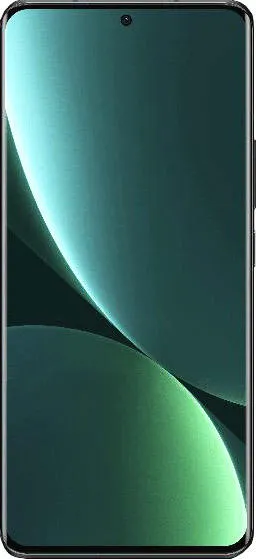
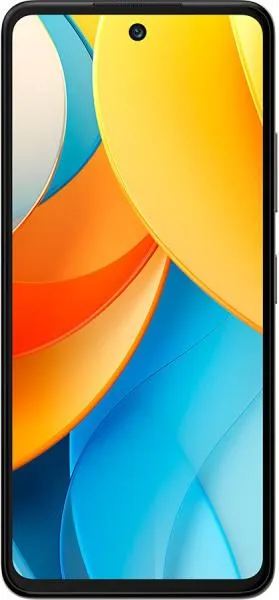
| Dimensions (mm) | 162.9 x 74.6 x 8.4 | 164.2 x 75.3 x 8.6 | Xiaomi 13 Pro is slightly smaller and thinner. |
| Weight (g) | 210 | 198 | ZTE Blade V60 Design is marginally lighter. Negligible difference in daily handling. |
| Build Materials | Ceramic, Glass | Plastic | Xiaomi 13 Pro offers a more premium feel and potentially better durability. |
| Display | |||
| Display Type | LTPO AMOLED | IPS LCD | Xiaomi 13 Pro boasts richer colors, deeper blacks, and better power efficiency. |
| Size (inches) | 6.73 | 6.6 | Negligible difference in screen real estate. |
| Resolution | 1440 x 3200 | 720 x 1612 | Xiaomi 13 Pro delivers significantly sharper visuals and text clarity. |
| Refresh Rate (Hz) | 120 | 90 | Xiaomi 13 Pro provides smoother scrolling and animations. |
| Performance | |||
| Chipset | Snapdragon 8 Gen 2 | Unisoc T606 | Xiaomi 13 Pro offers vastly superior processing power for demanding tasks and gaming. |
| RAM (GB) | 8/12 | 4/6 | More RAM in the Xiaomi 13 Pro allows for seamless multitasking and smoother performance. |
| Storage (GB) | 128/256/512 | 256 | Both offer ample storage, though Xiaomi provides more configuration options. |
| Camera | |||
| Main Camera (MP) | 50 MP (1-inch sensor) | 50 MP | Xiaomi 13 Pro's larger sensor likely captures more light and detail, especially in low-light conditions. |
| Camera Features | Leica Optics, advanced features | Basic Features | Xiaomi 13 Pro provides a professional-grade camera experience. |
| Battery Life | |||
| Capacity (mAh) | 4820 | 5000 | While the ZTE has a larger battery, the Xiaomi 13 Pro's superior efficiency may result in similar battery life. |
2. Key Insights
The Xiaomi 13 Pro is a flagship device with top-tier specifications across the board. Its strengths lie in its brilliant display, blazing-fast performance, advanced camera system with Leica optics, and premium design.
The ZTE Blade V60 Design, on the other hand, is a budget-friendly option that prioritizes affordability. Its larger battery might appeal to some, but it compromises significantly on processing power, display quality, and camera capabilities.
3. User Profiles and Recommendations
Xiaomi 13 Pro: Ideal for power users, gamers, photography enthusiasts, and anyone who demands top-notch performance and a premium experience. It's an investment in cutting-edge technology.
ZTE Blade V60 Design: Suitable for budget-conscious users who prioritize basic functionality, a large display, and long battery life for everyday tasks like browsing, social media, and communication. Performance-intensive tasks are not its forte.
4. Buying Decision Framework
- What is your budget? The Xiaomi 13 Pro is significantly more expensive.
- What are your primary use cases? For demanding tasks and premium experiences, the Xiaomi excels. For basic use, the ZTE might suffice.
- How important are display quality, performance, and camera capabilities? The Xiaomi 13 Pro outperforms the ZTE in all these areas.
My Choice: I would choose the Xiaomi 13 Pro. While the price is higher, the significant leap in performance, the stunning display, and the professional-grade camera system are worth the investment for me. I value a smooth, responsive user experience and high-quality visuals, and the Xiaomi 13 Pro delivers on all fronts. The ZTE Blade V60 Design, while offering excellent value for its price, simply doesn't meet my needs for a primary device.
