Xiaomi 13 Pro vs. ZTE Blade A75 4G: A Deep Dive
The smartphone market offers a dizzying array of choices, and deciding between two seemingly disparate devices like the Xiaomi 13 Pro and the ZTE Blade A75 4G can be challenging. Let's dissect their specifications and translate them into real-world experiences to help you navigate this decision.
1. Specifications Breakdown
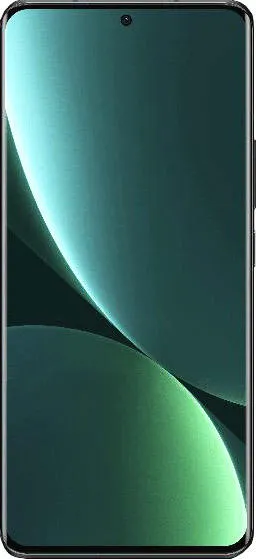
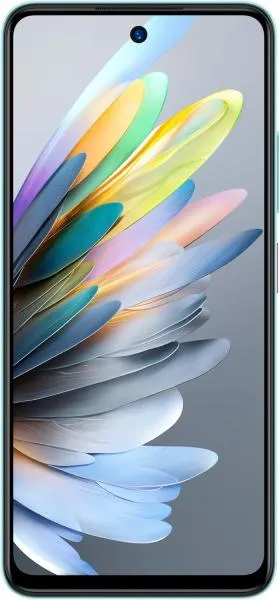
| Feature | Xiaomi 13 Pro | ZTE Blade A75 4G | Real-World Implications |
|---|---|---|---|
| Design | |||
| Dimensions (mm) | 162.9 x 74.6 x 8.4 | 164.1 x 75.8 x 8.6 | Xiaomi is slightly more compact. |
| Weight (g) | 210 | 189 | ZTE is noticeably lighter. |
| Build Materials | Gorilla Glass Victus, Aluminum Frame | Unspecified, likely plastic | Xiaomi offers a more premium feel and likely better durability. |
| Display | |||
| Type | LTPO AMOLED | IPS LCD | Xiaomi boasts richer colors, deeper blacks, and better power efficiency. |
| Size | 6.73" | 6.6" | Negligible size difference. |
| Resolution | 1440 x 3200 | 720 x 1612 | Xiaomi offers significantly sharper visuals. |
| Refresh Rate | 120Hz | 90Hz | Xiaomi provides smoother scrolling and animations. |
| Performance | |||
| Chipset | Snapdragon 8 Gen 2 | Unisoc T606 | Xiaomi delivers vastly superior processing power and graphics. |
| CPU | Octa-core (up to 3.2 GHz) | Octa-core (up to 1.6 GHz) | Xiaomi handles demanding tasks and multitasking with ease. |
| RAM | 8GB/12GB | 4GB/8GB | More RAM on Xiaomi enables smoother multitasking. |
| Storage | 128GB/256GB/512GB | 128GB/256GB | Comparable storage options. |
| Camera | |||
| Main Camera | 50MP, Leica lens, 1-inch sensor | 50MP | Xiaomi likely produces superior image quality due to larger sensor and Leica optics. |
| Other Cameras | 50MP ultrawide, 50MP telephoto | 0.3MP depth sensor, 8MP selfie | Xiaomi offers a far more versatile camera system. |
| Battery Life | |||
| Capacity | 4820 mAh | 5000 mAh | ZTE has a slightly larger battery, but Xiaomi's LTPO display may offset this. |
2. Key Insights
The Xiaomi 13 Pro is a flagship device boasting cutting-edge technology across the board. Its Snapdragon 8 Gen 2 processor, stunning AMOLED display, and Leica-tuned camera system place it in the premium segment. The ZTE Blade A75 4G, on the other hand, is a budget-oriented phone prioritizing affordability. Its specifications are modest, focusing on essential functionality rather than top-tier performance.
Xiaomi Advantages: Superior performance, brilliant display, versatile and high-quality camera system, premium build.
ZTE Advantages: Lower price point, slightly larger battery capacity, lighter weight.
3. User Profiles and Recommendations
Xiaomi 13 Pro: Ideal for power users, photographers, videographers, gamers, and anyone demanding top-tier performance and a premium experience.
ZTE Blade A75 4G: Suitable for budget-conscious users who prioritize basic communication, web browsing, and light media consumption. A good option for a secondary phone or for those with minimal performance demands.
4. Buying Decision Framework
- What is your budget? The Xiaomi 13 Pro is significantly more expensive.
- What are your primary use cases? Demanding tasks require the Xiaomi's power.
- How important are camera quality and display experience? Xiaomi excels in both areas.
Scenario-based Recommendations:
- Heavy user: Xiaomi 13 Pro
- Light user on a budget: ZTE Blade A75 4G
- Photographer/Videographer: Xiaomi 13 Pro
My Choice: Xiaomi 13 Pro
While the ZTE Blade A75 4G offers excellent value for its price, I would choose the Xiaomi 13 Pro. As a tech enthusiast and someone who values a premium user experience, the Xiaomi's superior performance, stunning display, and versatile camera system are compelling. I appreciate the responsiveness, the visual fidelity, and the ability to capture high-quality photos and videos. The higher price tag is justified by the significant jump in quality and capabilities. While battery life might be a slight concern, I'd prioritize the overall user experience offered by the Xiaomi 13 Pro. The ZTE Blade A75 4G serves its purpose as a budget device, but it doesn't ignite the same excitement and doesn't offer the same level of future-proofing as the Xiaomi.
