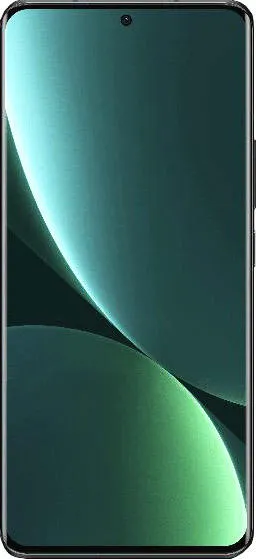
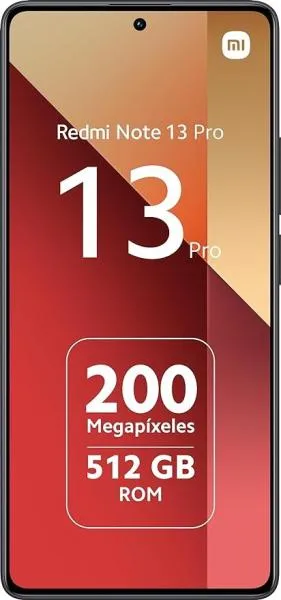
Xiaomi 13 Pro vs. Redmi Note 13 Pro 4G: A Deep Dive
Let's dissect the Xiaomi 13 Pro and the Redmi Note 13 Pro 4G, two phones vying for your attention in different price categories. We'll go beyond the spec sheet to understand what these numbers mean for your daily life.
1. Specifications Breakdown
| Feature | Xiaomi 13 Pro | Xiaomi Redmi Note 13 Pro 4G | Real-World Implications |
|---|---|---|---|
| Design | |||
| Dimensions (mm) | 162.9 x 74.6 x 8.4 | 161.1 x 75 x 8 | 13 Pro slightly taller, both feel premium but materials may differ. |
| Weight (g) | 210 | 188 | Redmi noticeably lighter for one-handed use. |
| Display | |||
| Size (inches) | 6.73 | 6.67 | Negligible size difference in real-world usage. |
| Resolution | 1440 x 3200 | 1080 x 2400 | 13 Pro significantly sharper, crisper text and images, better for media. |
| Refresh Rate (Hz) | 120 (LTPO) | 120 | Both offer smooth scrolling and animations; 13 Pro's LTPO more power efficient. |
| Display Type | LTPO AMOLED | AMOLED | 13 Pro with potentially superior brightness, contrast, and power efficiency. |
| Performance | |||
| Chipset | Snapdragon 8 Gen 2 | Helio G99 Ultra | 13 Pro vastly more powerful for demanding tasks, gaming, and multitasking. |
| CPU | Octa-core (3.2 GHz) | Octa-core (2.2 GHz) | 13 Pro's higher clock speeds translate to faster app launches and responsiveness. |
| GPU | Adreno 740 | Mali-G57 MC2 | 13 Pro offers superior graphics performance for gaming and visually rich apps. |
| RAM (GB) | 12 | 8/12 | 13 Pro's 12GB ensures smooth multitasking even with heavy usage. |
| Camera | |||
| Main Camera (MP) | 50 (1-inch sensor) | 200 | 13 Pro emphasizes image quality over megapixel count, likely better low-light. |
| Ultrawide (MP) | 50 | 8 | Significant difference; 13 Pro's ultrawide far superior in detail and quality. |
| Telephoto (MP) | 50 | N/A | 13 Pro offers optical zoom for capturing distant subjects without quality loss. |
| Battery Life | |||
| Capacity (mAh) | 4820 | 5000 | Redmi has a larger battery, but 13 Pro's efficiency could offset this. |
2. Key Insights
The Xiaomi 13 Pro is a flagship powerhouse, boasting a cutting-edge processor, stunning display, and advanced camera system with Leica collaboration. Its 1-inch sensor focuses on light capture rather than just megapixels, promising exceptional low-light performance. The LTPO display dynamically adjusts refresh rate for optimal battery life.
The Redmi Note 13 Pro 4G, on the other hand, focuses on providing excellent value. While it lacks the raw power of the 13 Pro, the Helio G99 is no slouch for everyday tasks. The 200MP main camera might attract some, but real-world performance will depend on sensor size and processing capabilities, which favor the 13 Pro.
3. User Profiles and Recommendations
Xiaomi 13 Pro: Ideal for power users, gamers, photography enthusiasts, and anyone demanding top-tier performance and a premium experience. If you value a future-proof device with the best technology, the 13 Pro is your pick.
Redmi Note 13 Pro 4G: Suitable for budget-conscious users who prioritize battery life and solid everyday performance. If you primarily use your phone for social media, browsing, and casual photography, the Redmi offers excellent value.
4. Buying Decision Framework
- What's your budget? The 13 Pro is significantly more expensive, reflecting its flagship status.
- What are your primary phone usage patterns? Heavy gaming and demanding tasks necessitate the 13 Pro's power.
- How important is camera quality? The 13 Pro's overall camera system is likely superior, especially in low light and zoom scenarios.
My Choice: Xiaomi 13 Pro
While the Redmi Note 13 Pro 4G provides great value, I would choose the Xiaomi 13 Pro. As a tech enthusiast, the superior performance of the Snapdragon 8 Gen 2, the crisper display, and the advanced camera system are compelling. The LTPO technology ensures smooth visuals while conserving battery. The 13 Pro's focus on image quality over sheer megapixel count aligns with my preference for capturing stunning photos in various lighting conditions. While it comes at a premium, the 13 Pro offers a future-proof, cutting-edge experience that justifies the investment for me. The real-world benefits of its superior hardware, especially for multitasking and demanding applications, make it a clear winner in my book.
