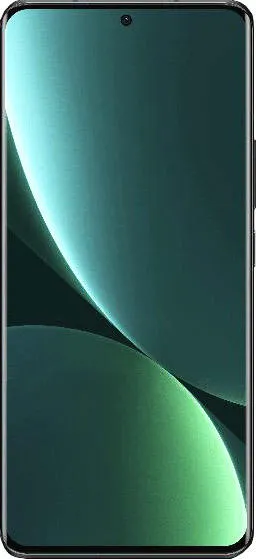
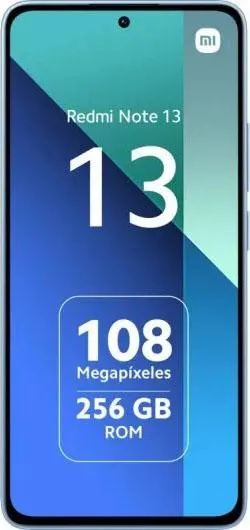
Xiaomi 13 Pro vs. Xiaomi Redmi Note 13 4G: A Deep Dive
Let's dissect the Xiaomi 13 Pro and the Redmi Note 13 4G, two phones occupying distinct tiers in the Xiaomi ecosystem. This analysis goes beyond the spec sheet, translating those numbers into real-world experiences.
1. Specifications Breakdown
| Feature | Xiaomi 13 Pro | Xiaomi Redmi Note 13 4G | Real-World Implications |
|---|---|---|---|
| Design | |||
| Dimensions (mm) | 162.9 x 74.6 x 8.4 | 162.3 x 75.6 x 8 | 13 Pro slightly narrower, thinner. Negligible difference in hand feel. |
| Weight (g) | 210 | 188.5 | Redmi Note 13 noticeably lighter, reducing hand fatigue during extended use. |
| Build Materials | Ceramic, Gorilla Glass Victus | Not specified, likely Glass | 13 Pro's ceramic back offers premium feel and potentially better durability. |
| Display | |||
| Size (inches) | 6.73 | 6.67 | Virtually identical screen real estate. |
| Resolution | 1440 x 3200 (WQHD+) | 1080 x 2400 (FHD+) | 13 Pro dramatically sharper, crisper text and images, more immersive media consumption. |
| Panel Type | LTPO AMOLED, 1B colors, 120Hz | AMOLED, 120Hz | Both offer smooth scrolling and animations; 13 Pro's LTPO enables dynamic refresh rate for power saving. Its 1 Billion colors provides a wider and more accurate color range. |
| Peak Brightness | 1900 nits | 1800 nits | Both bright enough for outdoor use; 13 Pro slightly brighter in direct sunlight. |
| Performance | |||
| Chipset | Snapdragon 8 Gen 2 | Snapdragon 685 | 13 Pro significantly faster and more powerful, handling demanding tasks and gaming with ease. |
| CPU | Octa-core (up to 3.2 GHz) | Octa-core (up to 2.8 GHz) | 13 Pro's superior CPU architecture and clock speed provide a noticeable performance gap. |
| GPU | Adreno 740 | Adreno 610 | 13 Pro's GPU delivers superior graphics performance for gaming and visually intensive apps. |
| RAM | 12GB | 8GB | 13 Pro's extra RAM enables smoother multitasking and better performance with demanding apps. |
| Camera | |||
| Main Sensor | 50MP, Sony IMX989, 1-inch sensor | 108MP, Samsung HM6, 1/1.67-inch sensor | 13 Pro's larger sensor likely captures more light, resulting in better low-light photos. |
| Other Cameras | 50MP Ultrawide, 50MP Telephoto | 8MP ultrawide, 2MP macro | 13 Pro offers superior versatility and image quality from auxiliary lenses. |
| Battery Life | |||
| Capacity (mAh) | 4820 | 5000 | Redmi Note 13 has a slightly larger battery capacity. |
| Charging | Fast charging, specifics not listed | Fast charging, specifics not listed | Real-world charging speeds need further investigation. |
2. Key Insights
The Xiaomi 13 Pro is a flagship phone with top-tier specifications across the board. Its Snapdragon 8 Gen 2 processor, stunning WQHD+ LTPO AMOLED display, and advanced camera system place it in the premium segment. The Redmi Note 13 4G, on the other hand, targets the mid-range market, prioritizing affordability while still offering a compelling feature set, including a large AMOLED display and a 108MP main camera. The performance difference will be significant, with the 13 Pro excelling in demanding tasks and gaming. While the Redmi Note 13's 108MP camera sensor sounds impressive, the 13 Pro's larger sensor size and superior optics are likely to produce higher-quality images, especially in challenging lighting conditions.
3. User Profiles and Recommendations
Xiaomi 13 Pro: Power users, gamers, photography enthusiasts, and those who demand the absolute best performance and features. This phone is for those willing to invest in a premium mobile experience.
Xiaomi Redmi Note 13 4G: Budget-conscious users, casual gamers, social media users, and those seeking a solid all-around phone without breaking the bank.
4. Buying Decision Framework
- What is your budget? The 13 Pro commands a flagship price, while the Redmi Note 13 4G offers excellent value for its mid-range cost.
- What are your performance needs? If you need top-tier processing power for demanding tasks and gaming, the 13 Pro is the clear choice. For everyday tasks and casual gaming, the Redmi Note 13 4G is sufficient.
- How important is camera quality to you? The 13 Pro offers a significantly more advanced and versatile camera system for serious photography enthusiasts.
My Choice: Xiaomi 13 Pro
While the Redmi Note 13 4G is a compelling mid-ranger, I would choose the Xiaomi 13 Pro. The superior display, significantly faster performance thanks to the Snapdragon 8 Gen 2, and more advanced camera system are decisive factors for me. I prioritize a smooth, lag-free experience with top-notch visuals and camera capabilities. The price difference is substantial, but the 13 Pro offers a tangible leap in quality that justifies the premium for my usage pattern. The vibrant, high-resolution display is crucial for both productivity and media consumption, and the powerful processor ensures a future-proof device capable of handling anything I throw at it. While battery life is a consideration, I'm willing to slightly compromise in that area for the significant gains in other aspects of the user experience.
