Xiaomi 13 Pro vs. Xiaomi Redmi Note 13: A Deep Dive
Hello fellow tech enthusiasts! Today, we're dissecting two Xiaomi phones occupying very different corners of the market: the flagship Xiaomi 13 Pro and the budget-friendly Redmi Note 13. Let's dive into the specs and uncover what these devices offer in terms of real-world performance.
1. Specifications Breakdown
| Feature | Xiaomi 13 Pro | Xiaomi Redmi Note 13 | Real-World Implications |
|---|---|---|---|
| Design | |||
| Dimensions (mm) | 162.9 x 74.6 x 8.4 | 161.1 x 75.0 x 7.6 | 13 Pro slightly larger, both feel premium |
| Weight (g) | 210 | 174.5 | Noticeable difference in hand; Note 13 more pocketable |
| Display | |||
| Size (inches) | 6.73 | 6.67 | Both large screens, immersive for media |
| Resolution | 1440 x 3200 | 1080 x 2400 | 13 Pro significantly sharper, crisper visuals |
| Display Type | LTPO AMOLED | AMOLED | 13 Pro with smoother scrolling, potentially better battery efficiency |
| Refresh Rate (Hz) | 120 | 120 | Both offer fluid animations and scrolling |
| Peak Brightness (nits) | 1900 | 1000 | 13 Pro vastly brighter outdoors |
| Performance | |||
| Chipset | Snapdragon 8 Gen 2 | Dimensity 6080 | 13 Pro dramatically more powerful for demanding tasks and gaming |
| CPU | Octa-core (3.2 GHz X3...) | Octa-core (2.4 GHz A76...) | 13 Pro offers significantly faster processing speeds |
| GPU | Adreno 740 | Mali-G57 MC2 | 13 Pro provides a superior gaming and graphics experience |
| RAM (GB) | 12 | 8 (up to 12) | 13 Pro can handle more apps in the background seamlessly |
| Camera | |||
| Main Camera (MP) | 50 MP (1-inch sensor) | 108 MP | 13 Pro likely better in low light due to larger sensor size despite lower resolution |
| Ultrawide (MP) | 50 MP | 8 MP | 13 Pro offers higher resolution and potentially better quality |
| Telephoto (MP) | 50 MP | N/A | 13 Pro offers optical zoom for clearer distant shots |
| Battery Life | |||
| Capacity (mAh) | 4820 | 5000 | Note 13 has larger capacity, but 13 Pro's LTPO display might offset this |
2. Key Insights
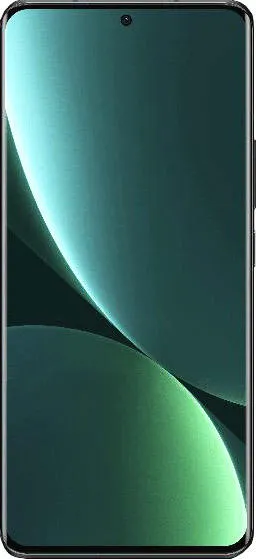
The Xiaomi 13 Pro is a true flagship, flexing its muscles with the top-tier Snapdragon 8 Gen 2, a stunning high-resolution LTPO AMOLED display, and a Leica-tuned camera system with a massive 1-inch sensor. This translates to blazing-fast performance, gorgeous visuals, buttery smooth scrolling, and potentially exceptional photography capabilities.
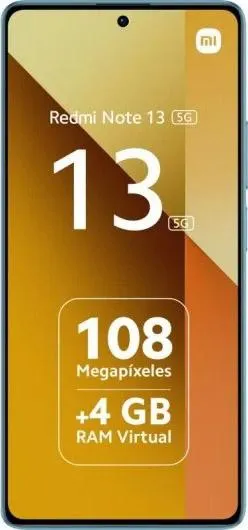
The Redmi Note 13, on the other hand, aims for value. While it boasts a large AMOLED display and a sizable battery, its Dimensity 6080 processor signifies a focus on efficiency over raw power. The 108MP main camera sounds impressive on paper, but real-world performance will likely be hindered by the smaller sensor compared to the 13 Pro.
3. User Profiles and Recommendations
Xiaomi 13 Pro: Ideal for power users, gamers, photography enthusiasts, and anyone demanding top-tier performance and a premium experience. If you value a stunning display, lightning-fast processing, and future-proof capabilities, the 13 Pro is a strong contender.
Redmi Note 13: Best suited for budget-conscious users who prioritize battery life and a large display for media consumption. This phone handles everyday tasks like browsing, social media, and casual photography well, offering excellent value for its price.
4. Buying Decision Framework
Questions to Ask Yourself:
- What's your budget? The 13 Pro commands a flagship price, while the Note 13 is significantly more affordable.
- What are your performance needs? Do you need the raw power of the 13 Pro for demanding tasks, or is the Note 13's efficiency sufficient for your daily usage?
- What are your priorities? Stunning display and top-notch camera? Go for the 13 Pro. Long battery life and affordability? The Note 13 is a solid choice.
My Choice: Xiaomi 13 Pro
While the Redmi Note 13 offers great value, I'd choose the Xiaomi 13 Pro. As a tech enthusiast who appreciates cutting-edge technology and a premium experience, the 13 Pro's superior performance, stunning display, and advanced camera system are compelling. The Snapdragon 8 Gen 2 future-proofs the device, ensuring smooth performance for years to come. The investment is justified for the significant leap in overall quality and user experience. The bright, high-resolution LTPO display alone is a game-changer for media consumption and daily use. While the Note 13 is a solid budget option, the 13 Pro aligns better with my needs and appreciation for flagship-level technology.
