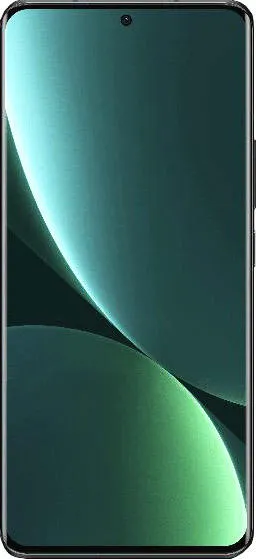
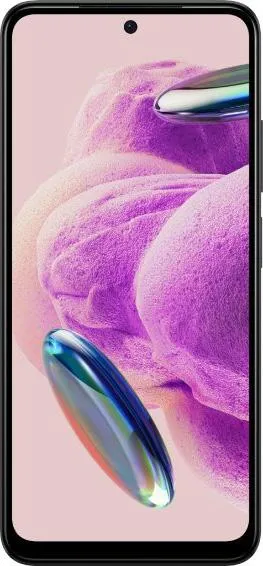
Xiaomi 13 Pro vs. Xiaomi Redmi Note 12S: A Deep Dive
Let's dissect the Xiaomi 13 Pro and Redmi Note 12S, two phones targeting different segments of the market. This comparison will go beyond the spec sheet, translating numbers into real-world experiences.
1. Specifications Breakdown
| Feature | Xiaomi 13 Pro | Xiaomi Redmi Note 12S | Real-World Implications |
|---|---|---|---|
| Design | |||
| Dimensions (mm) | 162.9 x 74.6 x 8.4 | 159.9 x 73.9 x 8.1 | 13 Pro slightly larger, but both manageable |
| Weight (g) | 210 | 176 | 12S noticeably lighter for one-handed use |
| Build Materials | Ceramic, Glass | Glass, Plastic | 13 Pro feels more premium, potentially more durable |
| Display | |||
| Size (inches) | 6.73 | 6.43 | 13 Pro offers a larger canvas for media consumption |
| Resolution | 1440 x 3200 | 1080 x 2400 | 13 Pro significantly sharper, noticeable in text/images |
| Refresh Rate | 120Hz LTPO | 90Hz AMOLED | 13 Pro smoother scrolling, animations; adaptive for battery |
| Display Type | LTPO AMOLED | AMOLED | Both vibrant, but 13 Pro has superior brightness, HDR |
| Performance | |||
| Chipset | Snapdragon 8 Gen 2 | Helio G96 | 13 Pro vastly more powerful for gaming, multitasking |
| CPU | Octa-core (3.2 GHz) | Octa-core (2.05 GHz) | 13 Pro much faster, smoother under heavy load |
| GPU | Adreno 740 | Mali-G57 MC2 | 13 Pro dramatically better graphics performance |
| RAM | 12GB | 6/8GB | 13 Pro more headroom for demanding apps |
| Camera | |||
| Main Sensor | 50MP (1-inch) | 108MP (1/1.52-inch) | 13 Pro likely better low-light, dynamic range; larger sensor |
| Ultrawide | 50MP | 8MP | 13 Pro significantly higher resolution, better quality |
| Telephoto | 50MP | None | 13 Pro offers optical zoom |
| Video | 8K@24fps, 4K@60fps | 1080p@30fps | 13 Pro vastly superior video capabilities |
| Battery Life | |||
| Capacity | 4820 mAh | 5000 mAh | 12S larger capacity, but 13 Pro likely more efficient |
| Charging | Fast Charging | Fast Charging | Specific charging speeds not provided, need further detail |
2. Key Insights
The Xiaomi 13 Pro is a flagship phone with cutting-edge specs across the board. Its Snapdragon 8 Gen 2 chip delivers blazing performance, the 120Hz LTPO display is stunning, and the camera system is top-tier. The Leica-tuned lenses, the large 1-inch sensor, and advanced computational photography likely result in exceptional image quality.
The Redmi Note 12S aims for affordability while offering a decent AMOLED display and a respectable 108MP main camera. However, its Helio G96 processor is significantly less powerful, limiting performance in demanding tasks and gaming.
Real-world impact: The 13 Pro will excel in demanding scenarios – running multiple apps, playing graphics-intensive games, editing photos and videos, and capturing high-quality footage. The Redmi Note 12S will handle everyday tasks like browsing, social media, and casual photography, but might struggle with heavier workloads.
3. User Profiles and Recommendations
Xiaomi 13 Pro: Power users, mobile gamers, photography enthusiasts, content creators, anyone who demands top-tier performance and the best mobile experience.
Redmi Note 12S: Budget-conscious users, casual users who prioritize battery life and basic functionality over peak performance, individuals who primarily use their phone for communication and light entertainment.
4. Buying Decision Framework
- What's your budget? The 13 Pro is a premium, flagship device, while the 12S is significantly more affordable.
- What are your primary use cases? If you need raw power and advanced features, the 13 Pro is the clear winner. If your needs are more basic, the 12S offers solid value.
- How important is camera quality? The 13 Pro boasts a superior camera system for both photos and videos.
My Choice: Xiaomi 13 Pro
While the Redmi Note 12S provides excellent value for its price, I would choose the Xiaomi 13 Pro. As a tech journalist focused on the nuances of mobile technology, I value the cutting-edge performance, the stunning display, and the advanced camera system. The fluidity of the 120Hz LTPO display, the sheer speed of the Snapdragon 8 Gen 2, and the potential for capturing professional-grade photos and videos are compelling. The 13 Pro is a device that pushes the boundaries of mobile technology, and that's what excites me. I'm willing to invest in a device that offers the best possible mobile experience, even at a premium price. The Redmi Note 12S is a great option for budget-conscious buyers, but the 13 Pro is a true flagship that delivers on all fronts.
