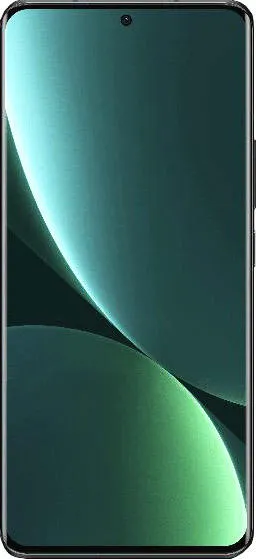
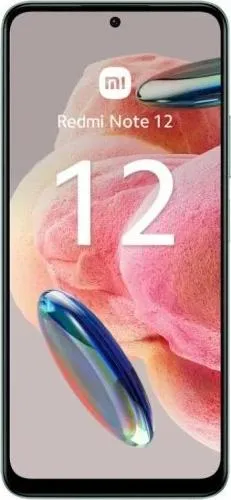
Let's dive into a comparative analysis of the Xiaomi 13 Pro and the Xiaomi Redmi Note 12 4G, dissecting their technical specifications and translating them into real-world implications for you.
1. Specifications Breakdown
| Feature | Xiaomi 13 Pro | Xiaomi Redmi Note 12 4G | Real-World Implications |
|---|---|---|---|
| Design | |||
| Dimensions (mm) | 162.9 x 74.6 x 8.4 | 165.7 x 76 x 7.9 | 13 Pro is slightly more compact. Note 12 4G is a tad lighter. |
| Weight (g) | 210 | 183.5 | Negligible difference in daily handling. |
| Display | |||
| Size (inches) | 6.73 | 6.67 | Both offer large, immersive screens; negligible real-world difference. |
| Resolution | 1440 x 3200 (WQHD+) | 1080 x 2400 (FHD+) | 13 Pro offers significantly sharper visuals, especially noticeable in text, images, and high-res content. |
| Type | LTPO AMOLED | AMOLED | 13 Pro's LTPO panel allows for dynamic refresh rate adjustment, potentially saving battery. |
| Refresh Rate (Hz) | 120 | 120 | Both offer smooth scrolling and animations. |
| Peak Brightness | 1900 nits | 1200 nits | 13 Pro will be significantly more visible in direct sunlight. |
| Performance | |||
| Chipset | Snapdragon 8 Gen 2 | Snapdragon 685 | Massive performance difference. 13 Pro handles demanding tasks and gaming with ease. Note 12 is for casual use. |
| CPU | Octa-core (up to 3.2 GHz) | Octa-core (up to 2.8 GHz) | 13 Pro offers much faster processing speeds, leading to quicker app loading and multitasking. |
| GPU | Adreno 740 | Adreno 610 | 13 Pro provides a significantly better gaming and graphics-intensive application experience. |
| RAM | 12GB (in this model) | 4/6/8GB (depending on the model) | More RAM in the reviewed 13 Pro model ensures smoother multitasking and less frequent app reloading. |
| Camera | |||
| Main | 50MP, 1-inch sensor, f/1.9 | 48MP, f/1.8 | 13 Pro boasts a larger sensor, wider aperture, and Leica collaboration, promising superior image quality. |
| Ultrawide | 50MP, f/2.2 | 8MP, f/2.2 | Significant difference in resolution and likely image quality. |
| Telephoto | 50MP, f/2.0 | No Telephoto Lens | 13 Pro offers optical zoom capabilities. |
| Battery Life | |||
| Capacity (mAh) | 4820 | 5000 | Note 12 has a slightly larger battery, but 13 Pro's LTPO display and efficient chip could balance this out. |
2. Key Insights
The Xiaomi 13 Pro is a true flagship device, boasting top-tier specifications across the board. Its Snapdragon 8 Gen 2 processor delivers blazing fast performance, the 1-inch camera sensor captures stunning images, and the brilliant LTPO AMOLED display provides a visually immersive experience. However, this premium experience comes at a high price.
The Xiaomi Redmi Note 12 4G, on the other hand, is a mid-range contender focused on affordability. While its Snapdragon 685 processor won't win any speed contests, it's sufficient for everyday tasks. The camera system, though less impressive than the 13 Pro's, still offers decent image quality for casual photography. Its larger battery might appeal to users prioritizing long battery life.
3. User Profiles and Recommendations
Xiaomi 13 Pro: Ideal for power users, gamers, photography enthusiasts, and anyone who demands the absolute best in performance and features. This phone is for those who prioritize a premium, no-compromise experience.
Xiaomi Redmi Note 12 4G: Best suited for budget-conscious users who prioritize essential features like long battery life, a large display, and decent camera capabilities. It's a solid choice for everyday communication, social media, and light gaming.
4. Buying Decision Framework
1. What is your budget? If price is a major concern, the Redmi Note 12 4G is the clear winner.
2. What are your performance needs? For demanding tasks and gaming, the 13 Pro is essential. If your usage is primarily web browsing, social media, and casual apps, the Note 12 4G is sufficient.
3. How important is camera quality? If photography is a priority, the 13 Pro's superior camera system is a must-have.
My Choice
If I were choosing between these two, I would opt for the Xiaomi 13 Pro. While the Redmi Note 12 4G offers excellent value for its price, I prioritize performance, a top-tier camera, and a high-quality display. The 13 Pro's Snapdragon 8 Gen 2, coupled with its impressive camera system and beautiful LTPO AMOLED screen, creates a compelling package that aligns with my needs as a tech enthusiast and someone who relies on their phone for both productivity and creative pursuits. I am willing to invest in the premium experience the 13 Pro offers. The leap in performance, camera quality, and display technology justifies the price difference for my usage.
