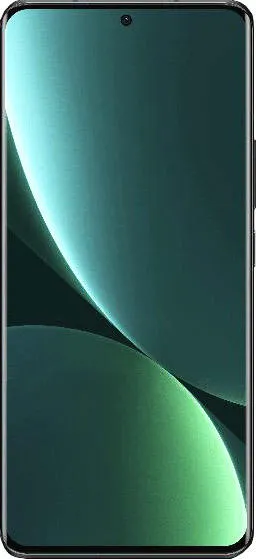
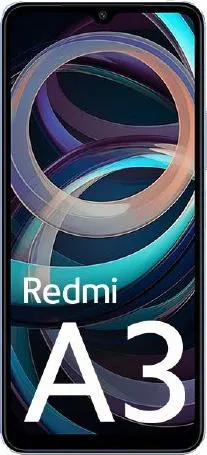
Xiaomi 13 Pro vs. Xiaomi Redmi A3: A Deep Dive
Let's dissect the Xiaomi 13 Pro and Redmi A3, two phones occupying opposite ends of the smartphone spectrum. This comparison goes beyond a simple spec sheet rundown; we'll explore how these differences translate into real-world experiences.
1. Specifications Breakdown
| Feature | Xiaomi 13 Pro | Xiaomi Redmi A3 | Real-World Implications |
|---|---|---|---|
| Design | |||
| Dimensions (mm) | 162.9 x 74.6 x 8.4 | 168.3 x 76.3 x 8.3 | 13 Pro is slightly more compact. |
| Weight (g) | 210 | 193 | Negligible difference in hand feel. |
| Build Quality | Premium materials (assumed) | Plastic (assumed) | 13 Pro likely feels more substantial and durable. |
| Display | |||
| Display Type | 6.73" LTPO AMOLED, 120Hz, 1900 nits (peak) | 6.71" IPS LCD, 90Hz, 500 nits | 13 Pro: Vibrant colors, deeper blacks, smoother scrolling, brighter outdoors. |
| Resolution | 1440 x 3200 (QHD+) | 720 x 1650 (HD+) | 13 Pro: Sharper text and images, more screen real estate for multitasking. |
| Performance | |||
| Chipset | Snapdragon 8 Gen 2 | Mediatek Helio G36 | 13 Pro: Significantly faster processing, smoother gaming, better multitasking. |
| RAM | 12GB | 3/4/6GB | 13 Pro: More apps can run in the background without slowdown. |
| Storage | 256/512GB | 64/128GB | 13 Pro: Ample space for apps, photos, and videos. |
| Camera | |||
| Main Camera | 50MP Sony IMX989, 1" sensor | 8MP | 13 Pro: Superior image quality, especially in low light, more detail. |
| Other Cameras | 50MP Ultrawide, 50MP Telephoto | 0.3MP Depth, 5MP Selfie | 13 Pro: Versatile camera system with high-quality secondary lenses. |
| Battery Life | |||
| Capacity | 4820 mAh | 5000 mAh | Redmi A3: Potentially longer battery life due to less demanding hardware. |
| Charging | Fast charging (proprietary) | Standard charging (assumed) | 13 Pro: Significantly faster charging speeds. |
| Price | High | Low | Redmi A3: Much more affordable. |
2. Key Insights
The Xiaomi 13 Pro is a flagship powerhouse designed for demanding users. Its cutting-edge processor, stunning display, and advanced camera system deliver a premium experience. You'll notice the difference in everyday tasks, from lightning-fast app loading to smooth gaming and capturing breathtaking photos. The LTPO AMOLED display offers vibrant colors and impressive power efficiency.
The Redmi A3, on the other hand, is a budget-friendly device prioritizing affordability. It's designed for basic tasks like calling, texting, browsing, and social media. While its performance is adequate for casual use, it won't handle demanding games or heavy multitasking as well as the 13 Pro. The battery life, however, could be a strong point due to its lower-power components.
3. User Profiles and Recommendations
Xiaomi 13 Pro: Ideal for power users, photographers, videographers, mobile gamers, and anyone who demands top-tier performance and features. If you value a premium experience and are willing to pay for it, the 13 Pro is a strong contender.
Xiaomi Redmi A3: Suitable for budget-conscious users, students, seniors, or anyone primarily needing a phone for basic communication and light internet usage. It's a practical choice for those prioritizing affordability over high-end features.
4. Buying Decision Framework
- What's your budget? If price is a primary concern, the Redmi A3 is the clear choice.
- What's your primary phone usage? For demanding tasks, choose the 13 Pro. For basic communication, the Redmi A3 suffices.
- How important are camera quality and display experience? The 13 Pro excels in these areas.
My Choice
If I were choosing between these two phones, I'd go with the Xiaomi 13 Pro. While significantly more expensive, the 13 Pro offers a substantial leap in performance, display quality, and camera capabilities. As a tech journalist, I need a device that can handle demanding tasks, capture high-quality photos and videos, and provide a smooth and enjoyable user experience. The Redmi A3, while a solid budget option, wouldn't meet my needs for productivity and content creation. The investment in the 13 Pro would be justified by its superior capabilities and longevity. I appreciate having a phone that can keep up with my workflow and offer cutting-edge technology.
