Xiaomi 13 Pro vs. Xiaomi Redmi 14C: A Deep Dive
Let's dissect the Xiaomi 13 Pro and Redmi 14C, two phones occupying distinct tiers in the Xiaomi universe. This isn't just a spec sheet comparison; we're diving deep into how these differences translate to real-world experiences.
1. Specifications Breakdown
| Feature | Xiaomi 13 Pro | Xiaomi Redmi 14C | Real-World Implications |
|---|---|---|---|
| Design | |||
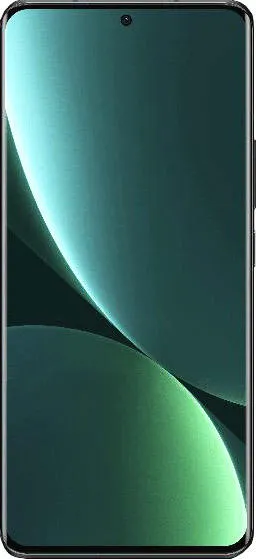
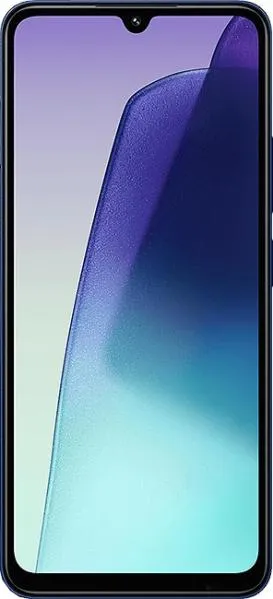
| Dimensions (mm) | 162.9 x 74.6 x 8.4 | 171.9 x 77.8 x 8.2 | 13 Pro is slightly more compact. |
| Weight (g) | 210 | 211 | Negligible difference in weight. |
| Build Materials | Ceramic, Glass | Plastic | 13 Pro offers a more premium feel and potentially better durability. |
| Display | |||
| Type | 6.73" LTPO AMOLED | 6.88" IPS LCD | 13 Pro: Richer colors, deeper blacks, power-efficient variable refresh rate. 14C: Larger screen but less vibrant display. |
| Resolution | 1440 x 3200 (WQHD+) | 720 x 1640 (HD+) | 13 Pro: Significantly sharper and more detailed visuals. 14C: Noticeably less sharp, pixelation may be visible. |
| Refresh Rate | 120Hz | 120Hz | Both offer smooth scrolling and animations. |
| Brightness | Up to 1900 nits (peak) | Up to 600 nits (HBM) | 13 Pro: Far superior visibility in bright sunlight. |
| Performance | |||
| Chipset | Snapdragon 8 Gen 2 | MediaTek Helio G81 Ultra | 13 Pro: Flagship-level performance, demanding games and multitasking handled with ease. 14C: Entry-level, basic tasks. |
| CPU | Octa-core (up to 3.2 GHz) | Octa-core (up to 2.0 GHz) | 13 Pro: Significantly faster and more responsive. |
| RAM | 12GB | 4/6/8GB | 13 Pro: Superior multitasking capabilities. 14C: RAM options impact performance, higher RAM models will be smoother. |
| Camera | |||
| Main Sensor | 50MP Sony IMX989 (1-inch) | 50MP | 13 Pro: Larger sensor size generally translates to better low-light performance and dynamic range. |
| Ultrawide | 50MP Samsung JN1 | N/A | 13 Pro offers ultrawide photography. |
| Telephoto | 50MP Samsung JN1 | N/A | 13 Pro offers optical zoom capabilities. |
| Battery Life | |||
| Capacity | 4820 mAh | 5160 mAh | 14C has a larger battery but potentially less efficient components, so real-world battery life needs further testing. |
2. Key Insights
The Xiaomi 13 Pro is a no-compromise flagship. Its Snapdragon 8 Gen 2 delivers blistering performance, the brilliant LTPO AMOLED display is a visual treat, and the camera system, co-engineered with Leica, promises exceptional image quality. The premium materials and build solidify its position as a top-tier device.
The Redmi 14C, on the other hand, prioritizes affordability. While it offers a large display and a sizable battery, the Helio G81 is an entry-level chipset, and the camera system lacks the versatility and advanced features of the 13 Pro. It's designed for users with basic needs and a tighter budget.
3. User Profiles and Recommendations
Xiaomi 13 Pro: Power users, mobile gamers, photography enthusiasts, content creators, anyone who demands top-of-the-line performance and features.
Xiaomi Redmi 14C: Casual users primarily focused on communication, social media, web browsing, and light content consumption; budget-conscious buyers.
4. Buying Decision Framework
- What is your budget? The 13 Pro sits in the high-price segment, while the 14C is a budget-friendly option.
- What are your performance needs? If you need a phone for demanding tasks like gaming or video editing, the 13 Pro is essential. For basic use, the 14C suffices.
- How important is camera quality? The 13 Pro's advanced camera system will appeal to photography enthusiasts, while the 14C offers a basic camera for casual snapshots.
My Choice: Xiaomi 13 Pro
If I were choosing between these two, the Xiaomi 13 Pro would be my clear winner. As a tech journalist who frequently uses demanding apps, captures photos and videos, and appreciates a premium user experience, the 13 Pro aligns perfectly with my needs. While the Redmi 14C is a solid budget option, the 13 Pro's superior performance, stunning display, and advanced camera system make it a worthwhile investment for me. The faster processor, higher RAM, and vastly better screen would greatly enhance my productivity and overall enjoyment of the device. The price difference is significant, but the value proposition of the 13 Pro, in my opinion, justifies the premium.
