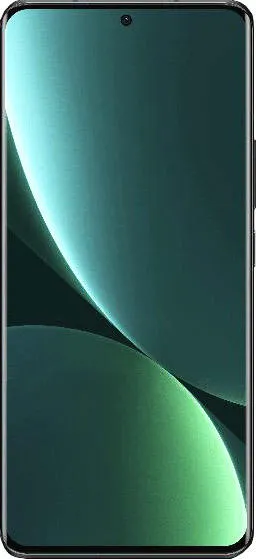
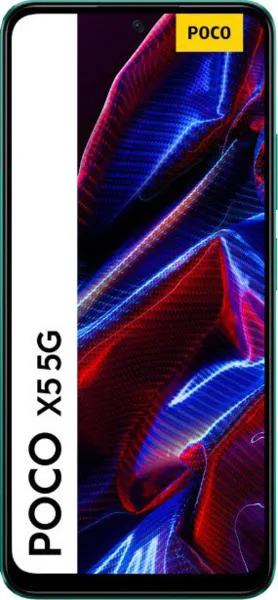
Xiaomi 13 Pro vs. Xiaomi Poco X5: A Deep Dive
Let's dissect the Xiaomi 13 Pro and the Poco X5, two phones occupying different tiers in the Xiaomi ecosystem. We'll translate the raw specs into real-world experiences to help you decide which phone fits your needs.
1. Specifications Breakdown
| Feature | Xiaomi 13 Pro | Xiaomi Poco X5 | Real-World Implications |
|---|---|---|---|
| Design | |||
| Dimensions (mm) | 162.9 x 74.6 x 8.4 | 165.9 x 76.2 x 8 | 13 Pro slightly more compact, potentially easier one-handed use. |
| Weight (g) | 210 | 189 | Poco X5 noticeably lighter, reducing hand fatigue during extended use. |
| Build | Ceramic, Gorilla Glass Victus | Glass front, plastic frame/back | 13 Pro boasts more premium materials, implying greater durability and a more luxurious feel. |
| Display | |||
| Size (inches) | 6.73 | 6.67 | Negligible size difference. |
| Resolution | 1440 x 3200 (WQHD+) | 1080 x 2400 (FHD+) | 13 Pro significantly sharper, offering more detail in images and text, beneficial for content consumption. |
| Type | LTPO AMOLED | AMOLED | Both vibrant and responsive, but 13 Pro's LTPO enables dynamic refresh rate, saving battery. |
| Refresh Rate (Hz) | 120 | 120 | Both offer smooth scrolling and gaming. |
| Peak Brightness | 1900 nits | 1200 nits | 13 Pro considerably brighter, improving outdoor visibility. |
| Performance | |||
| Chipset | Snapdragon 8 Gen 2 | Snapdragon 695 5G | 13 Pro vastly more powerful, enabling demanding gaming, multitasking, and faster app loading. |
| CPU | Octa-core (up to 3.2 GHz) | Octa-core (up to 2.2 GHz) | 13 Pro's superior CPU architecture delivers a significant performance advantage. |
| GPU | Adreno 740 | Adreno 619 | 13 Pro's GPU handles graphics-intensive tasks with ease, providing a smoother gaming experience. |
| RAM | 12GB | 6/8GB | 13 Pro offers more RAM for seamless multitasking and background app retention. |
| Camera | |||
| Main Sensor | 50MP Sony IMX989 (1-inch) | 48MP | 13 Pro's larger sensor captures more light and detail, especially in challenging lighting conditions. |
| Other Lenses | 50MP Ultrawide, 50MP Telephoto | 8MP Ultrawide, 2MP Macro | 13 Pro's telephoto lens provides superior zoom capabilities; Poco X5's macro lens offers specialized close-ups. |
| Battery Life | |||
| Capacity (mAh) | 4820 | 5000 | Poco X5 has a slightly larger battery, but 13 Pro's LTPO display and efficient chip could balance power consumption. |
2. Key Insights
The Xiaomi 13 Pro is a flagship powerhouse, excelling in performance, display quality, camera capabilities, and premium design. It's built for demanding users who want the best possible mobile experience.
The Poco X5 is a mid-range contender prioritizing affordability and long battery life. It's suitable for users who primarily engage in everyday tasks like web browsing, social media, and casual photography.
3. User Profiles and Recommendations
Xiaomi 13 Pro: Ideal for power users, mobile gamers, photography enthusiasts, and content creators who demand top-tier performance and features.
Poco X5: Suitable for budget-conscious users, students, and casual users who prioritize affordability, long battery life, and reliable performance for everyday tasks.
4. Buying Decision Framework
- What's your budget? The 13 Pro sits in the high-price bracket, while the Poco X5 offers excellent value for its mid-range price.
- What are your primary use cases? For demanding tasks and high-quality media consumption, the 13 Pro shines. For everyday tasks, the Poco X5 is sufficient.
- How important is camera quality? The 13 Pro boasts a significantly superior camera system.
My Choice: If budget weren't a constraint, I'd choose the Xiaomi 13 Pro. Its superior performance, stunning display, and advanced camera system align with my needs as a tech enthusiast who frequently uses demanding applications and appreciates high-quality visuals. The Poco X5 is a solid mid-range device, but the 13 Pro's significant advantages in key areas justify the higher price for my usage pattern. The leap in chipset performance, display clarity, and camera capabilities creates a significantly enhanced user experience that I find compelling.
