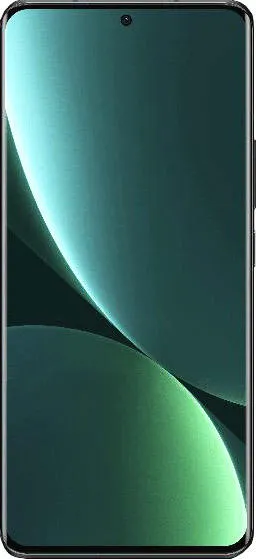
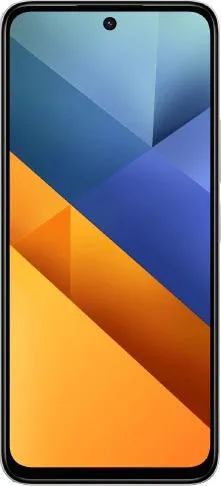
Xiaomi 13 Pro vs. Xiaomi Poco M6 4G: A Deep Dive
Let's dissect the Xiaomi 13 Pro and Poco M6 4G, two phones targeting vastly different user needs and budgets. My goal is to give you the technical lowdown in a way that makes sense, so you can choose the phone that truly fits your life.
1. Specifications Breakdown
| Feature | Xiaomi 13 Pro | Xiaomi Poco M6 4G | Real-World Implications |
|---|---|---|---|
| Design | |||
| Dimensions (mm) | 162.9 x 74.6 x 8.4 | 168.6 x 76.3 x 8.3 | 13 Pro is slightly smaller and thinner. |
| Weight (g) | 210 | 205 | Negligible weight difference. |
| Build Materials | Ceramic, Gorilla Glass Victus | Plastic | 13 Pro offers a more premium feel and enhanced durability. Poco M6 prioritizes affordability. |
| Display | |||
| Type | 6.73" LTPO AMOLED | 6.79" IPS LCD | 13 Pro: Brighter, more vibrant colors, deeper blacks, smoother scrolling with adaptive refresh rate. Poco M6: Larger but less vibrant. |
| Resolution | 1440 x 3200 (WQHD+) | 1080 x 2460 (FHD+) | 13 Pro: Sharper, more detailed visuals. Poco M6: Acceptable sharpness for everyday use. |
| Refresh Rate | 120Hz adaptive | 90Hz | 13 Pro: Dynamically adjusts for optimal smoothness and battery life. Poco M6: Smooth but less responsive than the 13 Pro. |
| Performance | |||
| Chipset | Snapdragon 8 Gen 2 | MediaTek Helio G91 | 13 Pro: Significantly faster processing, superior graphics performance, enabling demanding gaming and multitasking. Poco M6: For basic tasks. |
| CPU | Octa-core (up to 3.2 GHz) | Octa-core (up to 2.05 GHz) | 13 Pro: Handles complex applications and games with ease. Poco M6: Sufficient for everyday apps but can struggle with demanding tasks. |
| RAM | 8/12GB | 6/8GB | 13 Pro: Enables seamless multitasking and app switching. Poco M6: Adequate for moderate multitasking. |
| Camera | |||
| Main Camera | 50MP Leica Triple Camera System | 108MP + 2MP Dual Camera | 13 Pro: Superior image quality, especially in low light, with advanced features. Poco M6: High megapixel count but overall image quality lower. |
| Video Recording | Up to 8K@24fps | Up to 1080p@30fps | 13 Pro: Professional-grade video capabilities. Poco M6: Basic video recording. |
| Battery Life | |||
| Capacity | 4820 mAh | 5030 mAh | Poco M6: Larger battery capacity suggesting longer potential battery life. 13 Pro's power efficiency needs real-world testing for comparison. |
2. Key Insights
The Xiaomi 13 Pro is a flagship powerhouse built for speed, stunning visuals, and professional-grade photography. Its Snapdragon 8 Gen 2 chip, coupled with a gorgeous AMOLED display and a Leica-tuned camera system, delivers a premium experience. However, this comes at a significantly higher price.
The Poco M6 4G is a budget-friendly option prioritizing long battery life and a large display. While its performance is suitable for everyday tasks, it can't match the 13 Pro's raw power or camera prowess.
3. User Profiles and Recommendations
Xiaomi 13 Pro: For power users, gamers, photography enthusiasts, and anyone who demands top-tier performance and features.
Poco M6 4G: For budget-conscious users who prioritize battery life, a large screen for media consumption, and basic functionality for everyday tasks like browsing, social media, and communication.
4. Buying Decision Framework
- What's your budget? The 13 Pro falls into the high-end price bracket, while the Poco M6 is significantly more affordable.
- What are your primary use cases? Demanding tasks like gaming and content creation? The 13 Pro. Casual browsing and communication? The Poco M6.
- How important are camera quality and display brilliance? If these are top priorities, the 13 Pro is the clear winner.
My Choice: Xiaomi 13 Pro
While the Poco M6 4G offers excellent value for its price, I would choose the Xiaomi 13 Pro. As a tech enthusiast and someone who pushes their devices to the limit, the 13 Pro's superior performance, stunning display, and advanced camera system are irresistible. The fluidity of the 120Hz LTPO AMOLED screen, the power of the Snapdragon 8 Gen 2, and the creative potential of the Leica camera are worth the investment for me. I appreciate having a device that can handle anything I throw at it, from intensive multitasking to high-end gaming and mobile photography. The premium build quality is a bonus. While battery life is a concern, I prioritize peak performance and cutting-edge features over slightly longer battery life.
