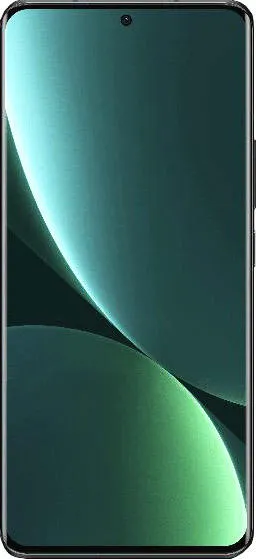
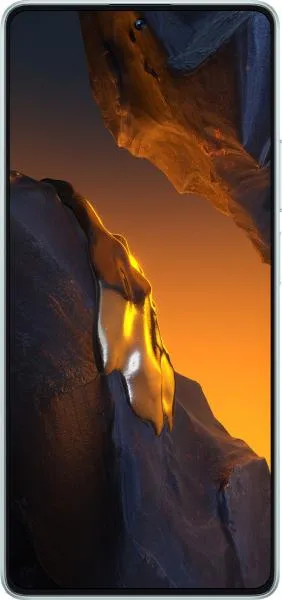
Let's dive into a comparative analysis of the Xiaomi 13 Pro and the Xiaomi Poco F5, dissecting their specifications and uncovering what they truly offer the user.
1. Specifications Breakdown
| Feature | Xiaomi 13 Pro | Xiaomi Poco F5 | Real-World Implications |
|---|---|---|---|
| Design | |||
| Dimensions (mm) | 162.9 x 74.6 x 8.4 | 161.1 x 75.0 x 7.9 | 13 Pro slightly taller and thicker, but negligible difference in hand. |
| Weight (g) | 210 | 181 | Poco F5 noticeably lighter, reducing hand fatigue during extended use. |
| Build Materials | Ceramic, Aluminum frame | Glass front, plastic frame | 13 Pro offers a more premium and potentially durable feel. |
| Display | |||
| Size (inches) | 6.73 | 6.67 | Virtually identical screen real estate. |
| Resolution | 1440 x 3200 (WQHD+) | 1080 x 2400 (FHD+) | 13 Pro boasts significantly sharper visuals due to higher pixel density (522 vs 395 PPI), impacting image clarity and text sharpness. |
| Display Type | LTPO AMOLED | AMOLED | Both offer vibrant colors and deep blacks, but 13 Pro's LTPO allows for dynamic refresh rate adjustment, saving battery. |
| Refresh Rate | 120Hz | 120Hz | Both offer smooth scrolling and animations. |
| Peak Brightness | 1900 nits | 1000 nits | 13 Pro significantly brighter, ensuring better visibility outdoors. |
| Performance | |||
| Chipset | Snapdragon 8 Gen 2 | Snapdragon 7+ Gen 2 | 13 Pro features a flagship processor, delivering superior performance in demanding tasks and gaming. |
| CPU | Octa-core (up to 3.2 GHz) | Octa-core (up to 2.91 GHz) | 13 Pro offers faster processing speeds for quicker app loading and multitasking. |
| GPU | Adreno 740 | Adreno 725 | 13 Pro provides a more powerful graphics processor, enhancing gaming and visual performance. |
| RAM | 12GB | 8/12GB | Both offer ample RAM for smooth multitasking, but the 13 Pro's 12GB provides additional headroom for future-proofing. |
| Camera | |||
| Main Sensor | 50MP (1-inch Sony IMX989) | 64MP (Omnivision OV64B) | 13 Pro's larger sensor likely captures more light and detail, especially in low-light conditions. Leica lens tuning adds advantage. |
| Ultrawide | 50MP | 8MP | Significant difference in resolution; 13 Pro's ultrawide will produce much more detailed shots. |
| Telephoto | 50MP | None | 13 Pro offers optical zoom capabilities, absent in the Poco F5. |
| Battery Life | |||
| Capacity | 4820 mAh | 5000 mAh | Poco F5 boasts a slightly larger battery capacity. However, 13 Pro's LTPO display might offset this difference in real-world usage. |
2. Key Insights
The Xiaomi 13 Pro is a true flagship device, excelling in display quality, performance, and camera capabilities. The larger sensor, Leica collaboration, and dedicated telephoto lens establish its photographic superiority. The Snapdragon 8 Gen 2 ensures top-tier performance for any task.
The Xiaomi Poco F5 positions itself as a performance-oriented mid-ranger. The Snapdragon 7+ Gen 2 provides impressive power for its price point, making it suitable for gaming and demanding applications, though not at the flagship level of the 13 Pro. Its larger battery might offer longer usage times, but the lack of a telephoto lens and a lower resolution ultrawide are notable compromises.
3. User Profiles and Recommendations
Xiaomi 13 Pro: Ideal for users who demand the best in performance, display, and camera technology. Photographers, videographers, and mobile gamers will appreciate its capabilities.
Xiaomi Poco F5: A great option for budget-conscious users seeking strong performance and long battery life. Suitable for everyday tasks, social media, and casual gaming.
4. Buying Decision Framework
- What is your budget? The 13 Pro falls into a high price bracket, while the Poco F5 offers excellent value for its mid-range price.
- What are your photography needs? The 13 Pro provides a significantly superior camera experience.
- How important is top-tier performance? The 13 Pro delivers flagship-level speed and responsiveness.
My Choice: Xiaomi 13 Pro
While the Poco F5 offers incredible value, I would choose the Xiaomi 13 Pro. The superior camera system, especially the 1-inch sensor and Leica tuning, is a major draw for me. The brilliant display and the unmatched performance of the Snapdragon 8 Gen 2 provide a truly premium experience. While the price is higher, the significant jump in quality and capabilities justifies the investment for my needs. I prioritize image quality and a smooth, powerful user experience, and the 13 Pro delivers on both fronts.
