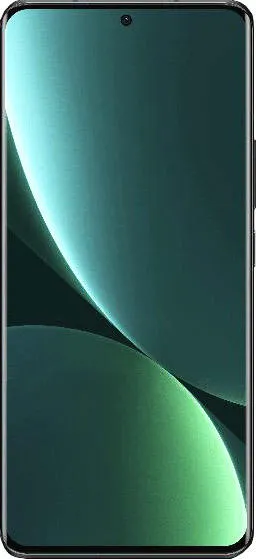
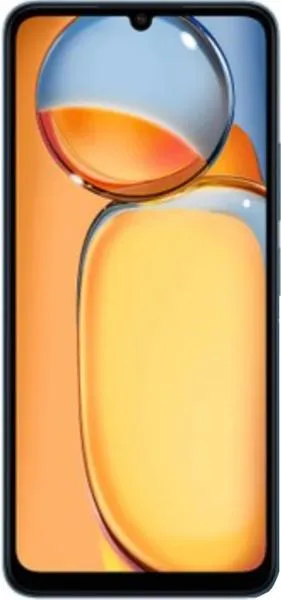
Xiaomi 13 Pro vs. Xiaomi Poco C65: A Deep Dive
Let's dissect the Xiaomi 13 Pro and the Poco C65, two phones occupying vastly different corners of the smartphone arena. This isn't just a spec comparison; it's about understanding how these devices translate raw numbers into real-world experiences.
1. Specifications Breakdown
| Feature | Xiaomi 13 Pro | Xiaomi Poco C65 | Real-World Implications |
|---|---|---|---|
| Design | |||
| Dimensions (mm) | 162.9 x 74.6 x 8.4 | 168 x 78 x 8.1 | 13 Pro is slightly more compact. Poco C65 might feel larger in hand. |
| Weight (g) | 210 | 192 | Negligible difference in weight for most users. |
| Build Materials | Ceramic, Glass | Plastic | 13 Pro offers a more premium feel and potentially better durability. |
| Display | |||
| Size (inches) | 6.73 | 6.74 | Virtually identical screen sizes. |
| Resolution | 1440 x 3200 (WQHD+) | 720 x 1600 (HD+) | 13 Pro boasts significantly sharper visuals, crucial for media consumption and detail-oriented tasks. |
| Panel Type | LTPO AMOLED | IPS LCD | 13 Pro's AMOLED delivers richer colors, deeper blacks, and better power efficiency. |
| Refresh Rate (Hz) | 120 (Adaptive) | 90 | 13 Pro offers smoother scrolling and animations. |
| Performance | |||
| Chipset | Snapdragon 8 Gen 2 | Helio G85 | 13 Pro offers flagship-level performance; Poco C65 targets basic tasks and casual gaming. |
| CPU | Octa-core (up to 3.2 GHz) | Octa-core (up to 2.0 GHz) | 13 Pro handles demanding apps and multitasking with ease; Poco C65 may struggle with heavier loads. |
| RAM (GB) | 12 | 6/8 | 13 Pro enables seamless multitasking and app switching; Poco C65 is sufficient for basic usage. |
| Camera | |||
| Main Sensor (MP) | 50MP (1-inch Sony IMX989) | 50MP | 13 Pro's larger sensor and Leica tuning suggest superior image quality, especially in low light. |
| Other Lenses | 50MP Ultrawide, 50MP Telephoto | 2MP Macro, 2MP Depth Sensor | 13 Pro offers greater versatility with high-resolution ultrawide and telephoto lenses. |
| Battery Life | |||
| Capacity (mAh) | 4820 | 5000 | Poco C65's larger battery may offer longer runtime, but 13 Pro's efficient display and chip could compensate. |
2. Key Insights
- Xiaomi 13 Pro: This is a flagship phone designed for demanding users. Its strengths lie in its exceptional performance, stunning display, and versatile camera system. The Leica-tuned camera promises professional-grade photography, while the Snapdragon 8 Gen 2 ensures buttery smooth operation even with the most demanding apps and games.
- Xiaomi Poco C65: This is a budget-friendly device aimed at users who prioritize essential features and long battery life. While not a performance powerhouse, the Poco C65 offers a large display and a capable 50MP main camera for everyday photography.
3. User Profiles and Recommendations
- Xiaomi 13 Pro: Ideal for power users, photographers, videographers, mobile gamers, and anyone who demands top-tier performance and a premium experience.
- Xiaomi Poco C65: Suitable for budget-conscious users, students, and those who primarily use their phones for communication, social media, and light browsing.
4. Buying Decision Framework
- What is your budget? The 13 Pro is a high-end investment, while the Poco C65 is significantly more affordable.
- What are your primary phone usage patterns? If you need top-tier performance and camera capabilities, the 13 Pro is the clear winner. For basic tasks and long battery life, the Poco C65 is sufficient.
- How important is display quality and overall user experience? The 13 Pro offers a far superior display and a more premium overall feel.
My Choice: Xiaomi 13 Pro
If I were choosing between these two, the Xiaomi 13 Pro would be my pick. I value a fluid, responsive user experience, a brilliant display for consuming media, and a camera system capable of capturing stunning photos and videos. The Snapdragon 8 Gen 2 provides the horsepower to handle anything I throw at it, and the overall build quality feels significantly more premium. While the Poco C65 offers excellent value for its price, the 13 Pro's advantages in performance, display, and camera are too significant for me to overlook. The price difference is substantial, reflecting the gap in capabilities. For my needs, the investment in the 13 Pro would be worthwhile.
