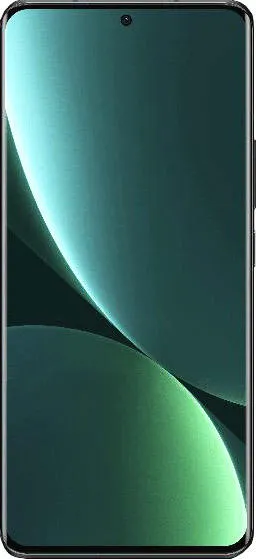
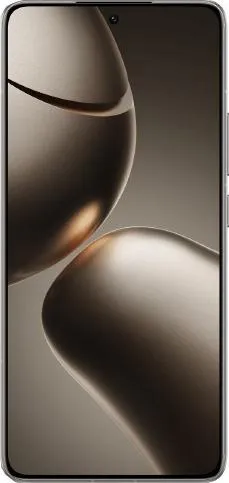
Xiaomi 13 Pro vs. Xiaomi 14T Pro: A Deep Dive
Hello fellow tech enthusiasts! Alex Griffin here, ready to dissect the Xiaomi 13 Pro and the freshly launched Xiaomi 14T Pro. We'll go beyond the spec sheets to uncover what these phones truly offer in the real world.
1. Specifications Breakdown
| Feature | Xiaomi 13 Pro | Xiaomi 14T Pro | Real-World Implications |
|---|---|---|---|
| Design | |||
| Dimensions (mm) | 162.9 x 74.6 x 8.4 | 160.4 x 75.1 x 8.4 | 14T Pro slightly shorter and wider; both slim. Negligible difference in hand feel. |
| Weight (g) | 210 | 209 | Virtually identical; both feel substantial in hand. |
| Display | |||
| Size (inches) | 6.73 | 6.67 | Negligible size difference. |
| Resolution | 1440 x 3200 | 1220 x 2712 | 13 Pro significantly sharper (522 ppi vs 446 ppi), noticeable in text clarity and image detail. |
| Refresh Rate (Hz) | 120 (LTPO) | 144 | 14T Pro smoother scrolling and animations; 13 Pro's LTPO dynamically adjusts for battery efficiency. |
| Peak Brightness | 1900 nits | 4000 nits | 14T Pro dramatically brighter outdoors. |
| Performance | |||
| Chipset | Snapdragon 8 Gen 2 | Dimensity 9300+ | Both high-end, but 8 Gen 2 generally considered superior in benchmark performance. |
| CPU | Octa-core (Cortex-X3, A715/A710/A510) | Octa-core (Cortex-X4, A720) | Both powerful, but architectural differences favor 8 Gen 2 in sustained performance. |
| GPU | Adreno 740 | Immortalis-G720 MC12 | 8 Gen 2's Adreno 740 expected to edge out in graphics-intensive tasks. |
| RAM | 12GB | 12GB | Ample RAM for multitasking on both. |
| Camera | |||
| Main Sensor | 50MP (1-inch Sony IMX989) | 50MP (Omnivision OVX9000) | 13 Pro boasts a larger sensor, potentially better low-light performance and depth of field. |
| Telephoto | 50MP | 50MP | Similar resolution, practical zoom capabilities need real-world testing. |
| Ultrawide | 50MP | 12MP | 13 Pro's ultrawide significantly higher resolution. |
| Battery Life | |||
| Capacity (mAh) | 4820 | 5000 | 14T Pro larger battery, potentially longer endurance. Real-world usage will vary. |
2. Key Insights
- Display: The 13 Pro's higher resolution display is a clear win for visual fidelity. However, the 14T Pro's 144Hz refresh rate and extreme peak brightness make it a contender for gamers and outdoor usage.
- Performance: On paper, the Snapdragon 8 Gen 2 in the 13 Pro holds a performance edge. Real-world differences might be subtle for average users but noticeable in demanding tasks.
- Camera: The 13 Pro's camera system, especially the main and ultrawide sensors, appears superior on paper due to larger sensor size and higher resolution. The 14T Pro's camera performance needs real-world testing to determine its true capabilities.
- Battery: The 14T Pro's larger battery capacity suggests longer battery life. However, the 13 Pro's LTPO display could offset this in real-world scenarios.
3. User Profiles and Recommendations
- Xiaomi 13 Pro: Ideal for users prioritizing a premium display, top-tier performance, and a potentially superior camera system. Photographers and videographers would appreciate the larger main sensor.
- Xiaomi 14T Pro: Best suited for users who value a smooth, bright display, excellent gaming performance, and long battery life. The lower price point makes it a strong value proposition.
4. Buying Decision Framework
- Is display quality your top priority? If yes, the 13 Pro's sharper screen is the clear winner.
- Are you a heavy gamer or frequently use your phone outdoors? If so, the 14T Pro's high refresh rate and brighter display will be beneficial.
- What's your budget? The 14T Pro offers excellent value for its price, while the 13 Pro commands a premium.
My Choice: The Xiaomi 13 Pro
While the 14T Pro offers impressive specs for its price, I'd personally choose the Xiaomi 13 Pro. The superior display sharpness and the potential advantage in camera quality are compelling factors for me. I prioritize image quality and a premium visual experience, and I'm willing to invest in those features. The slightly smaller battery is less of a concern given the 13 Pro's LTPO display technology. Ultimately, it boils down to personal preferences and priorities.
