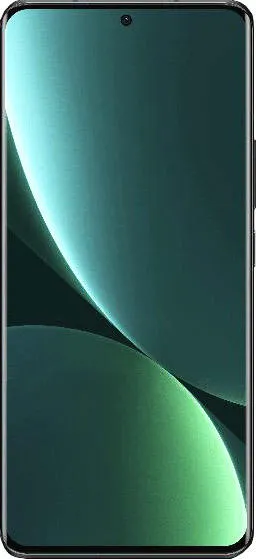
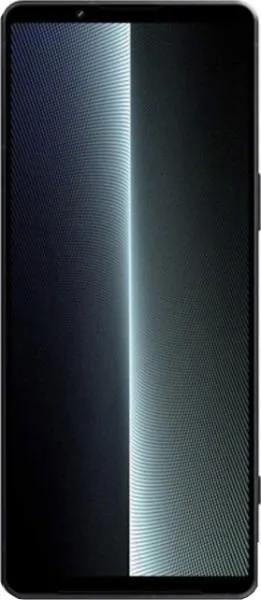
Xiaomi 13 Pro vs. Sony Xperia 1 V: A Deep Dive for the Discerning Smartphone User
Hello, fellow tech enthusiasts! Today, we're diving deep into a comparison of two flagship contenders: the Xiaomi 13 Pro and the Sony Xperia 1 V. Both pack impressive specs, but as we know, numbers only tell part of the story. Let's dissect these devices, translating the technical jargon into real-world experiences to help you decide which phone might be your perfect companion.
1. Specifications Breakdown
| Feature | Xiaomi 13 Pro | Sony Xperia 1 V | Real-World Implications |
|---|---|---|---|
| Design | |||
| Dimensions (mm) | 162.9 x 74.6 x 8.4 | 165 x 71 x 8.3 | Xperia 1 V is slightly taller and narrower, potentially more pocketable |
| Weight (g) | 210 | 187 | Xperia 1 V is noticeably lighter, reducing hand fatigue |
| Display | |||
| Size (inches) | 6.73 | 6.5 | Xiaomi offers a larger screen for more immersive content |
| Resolution (px) | 1440 x 3200 | 1644 x 3840 | Xperia boasts a sharper display due to higher pixel density and unique aspect ratio |
| Type | LTPO AMOLED | OLED | Xiaomi's LTPO panel allows for dynamic refresh rate, saving battery |
| Refresh Rate (Hz) | 120 | 120 | Both offer smooth scrolling and animations |
| Peak Brightness | 1900 nits | N/A | Xiaomi's display gets significantly brighter outdoors |
| Performance | |||
| Chipset | Snapdragon 8 Gen 2 | Snapdragon 8 Gen 2 | Identical chipsets promise top-tier performance for both |
| RAM (GB) | 12 | 12 | Ample RAM ensures smooth multitasking |
| Camera | |||
| Main Sensor (MP) | 50 MP (1-inch) | 48 MP (1/1.4-inch) | Xiaomi utilizes a larger sensor, potentially capturing more light |
| Ultrawide (MP) | 50 MP | 12 MP | Xiaomi offers a higher resolution ultrawide |
| Telephoto (MP) | 50 MP | 12 MP (variable) | Xiaomi's telephoto offers a fixed focal length; Sony's is variable. |
| Battery Life | |||
| Capacity (mAh) | 4820 | 5000 | Sony has a slightly larger battery capacity |
| Charging | Fast Charging | Fast Charging | Further details on charging speeds are needed for accurate comparison |
2. Key Insights
Display: While both phones boast stunning displays, the Xperia 1 V's unique 21:9 aspect ratio provides a cinematic viewing experience ideal for movies and some games. However, the Xiaomi 13 Pro's LTPO panel offers better power efficiency and superior peak brightness, crucial for outdoor visibility.
Performance: With the same powerful Snapdragon 8 Gen 2, both phones should handle demanding tasks and gaming with ease.
Camera: The Xiaomi 13 Pro features Leica-tuned lenses and a massive 1-inch main sensor, promising exceptional image quality, especially in low light. The Sony Xperia 1 V emphasizes professional-grade video capabilities with advanced features inherited from its Alpha cameras. Sony's unique variable telephoto lens offers more flexibility in framing shots.
Battery Life: While the Xperia 1 V has a slightly larger battery, real-world battery life will depend on optimization and usage patterns. Xiaomi's LTPO display could provide an edge in extending battery endurance. Lack of peak brightness specification on the Sony makes a full comparison difficult.
3. User Profiles and Recommendations
Xiaomi 13 Pro: Best suited for users who prioritize a vibrant and bright display, excellent photography, especially in low light, and a well-rounded flagship experience.
Sony Xperia 1 V: Ideal for content creators, cinephiles, and mobile gamers who value a cinematic display, professional-grade video recording features, and a unique, more compact form factor.
4. Buying Decision Framework
- What is your primary use case for a smartphone? (Content consumption, photography, videography, gaming?)
- How important is battery life and outdoor visibility to you?
- Are you drawn to a larger screen or a more pocketable device with a unique aspect ratio?
My Choice:
If I were choosing between these two, I'd lean towards the Xiaomi 13 Pro. While the Xperia 1 V's cinematic display and video features are tempting, the Xiaomi's brighter display, larger main camera sensor (crucial for low-light performance, a personal priority), and potentially longer battery life (thanks to the LTPO display) make it a more compelling all-around device for my needs. I also prefer a slightly larger display for everyday tasks and media consumption. The lack of specified peak brightness on the Sony also raises concerns for outdoor usability.
