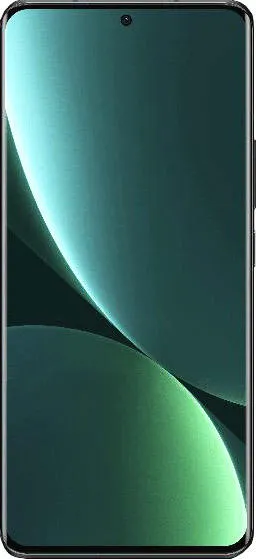
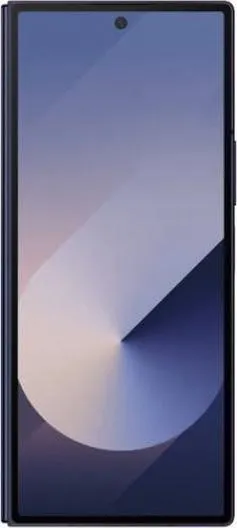
Xiaomi 13 Pro vs. Samsung Galaxy Z Fold6: A Deep Dive
The smartphone landscape is constantly evolving, with flagship devices pushing the boundaries of innovation. Today, we'll dissect two powerhouses: the Xiaomi 13 Pro and the Samsung Galaxy Z Fold6. While both cater to the high-end market, their strengths and weaknesses cater to distinct user profiles. Let's delve into the specifics.
1. Specifications Breakdown
| Feature | Xiaomi 13 Pro | Samsung Galaxy Z Fold6 | Real-World Implications |
|---|---|---|---|
| Design | |||
| Dimensions (mm) | 162.9 x 74.6 x 8.4 | 153.5 x 132.6 x 5.6 | Fold6's compact folded size enhances portability but is wider unfolded. |
| Weight (g) | 210 | 239 | Fold6's foldable design adds weight, impacting one-handed use. |
| Foldable | No | Yes | Fold6 offers a larger screen real estate and unique multitasking capabilities. |
| Display | |||
| Size (inches) | 6.73 | 7.6 (unfolded) | Fold6 provides a tablet-like experience when unfolded. |
| Resolution (px) | 1440 x 3200 | 1856 x 2160 (unfolded) | Both offer sharp visuals, but Xiaomi boasts higher pixel density on the main screen. |
| Refresh Rate (Hz) | 120 | 120 | Smooth scrolling and animations on both devices. |
| Display Type | LTPO AMOLED | Dynamic AMOLED 2X | Both offer vibrant colors and deep blacks; LTPO allows for variable refresh rate, potentially saving battery on the Xiaomi. |
| Performance | |||
| Chipset | Snapdragon 8 Gen 2 | Snapdragon 8 Gen 3 | Fold6 leverages a newer generation processor, likely resulting in faster performance. |
| CPU | Octa-core (3.2 GHz) | Octa-core (3.39 GHz) | Fold6 has a slightly faster clock speed, but real-world difference may be minimal. |
| RAM (GB) | 12 | 12 | Both offer ample RAM for smooth multitasking. |
| Camera | |||
| Main Camera (MP) | 50 | 50 | Comparable main camera resolution on paper. |
| DxOMark Score | 136 | 133 | Xiaomi edges out slightly in overall camera performance according to DxOMark. |
| Battery Life | |||
| Capacity (mAh) | 4820 | 4400 | Xiaomi offers a larger battery, potentially translating to longer usage time. |
2. Key Insights
- Performance: The Fold6's newer Snapdragon 8 Gen 3 processor gives it a theoretical edge in processing power, though both phones should handle demanding tasks with ease.
- Display: The Fold6's foldable display is the star of the show, transforming from a phone to a mini-tablet. The Xiaomi counters with a slightly sharper, potentially more power-efficient LTPO AMOLED display.
- Camera: While DxOMark scores suggest a slight advantage for the Xiaomi, real-world performance will likely depend on individual preferences and shooting conditions. Both offer top-tier camera systems.
- Battery: The Xiaomi's larger battery capacity suggests longer endurance, but the Fold6's larger display could consume more power. Real-world battery life will depend on usage patterns.
3. User Profiles and Recommendations
Xiaomi 13 Pro: Ideal for users prioritizing a traditional smartphone experience with top-notch performance, a stunning display, and excellent battery life. Photographers and videographers may also appreciate its slightly higher-rated camera system.
Samsung Galaxy Z Fold6: Best suited for power users who crave a device that blurs the lines between phone and tablet. Its foldable design unlocks unique multitasking capabilities and a more immersive content consumption experience.
4. Buying Decision Framework
- Do you prioritize portability or screen real estate? The Xiaomi offers a more pocketable design, while the Fold6 provides a larger canvas for work and entertainment.
- Is a foldable form factor essential for your workflow? If you need a device that adapts to different tasks and situations, the Fold6's flexibility shines. If not, the Xiaomi's traditional design might be preferred.
- What's your budget? Both phones are premium devices, but the Fold6 typically commands a higher price due to its innovative foldable technology.
My Choice: The Xiaomi 13 Pro
While the Galaxy Z Fold6's foldable technology is undeniably impressive, the Xiaomi 13 Pro better suits my personal needs and preferences. As a tech journalist, I prioritize a robust, reliable device with excellent battery life and a top-tier camera. The Xiaomi's larger battery, slightly higher DxOMark score, and more traditional form factor align perfectly with my daily workflow. While I appreciate the Fold6's innovative design, the added bulk and potential battery life trade-offs are less appealing to me. Ultimately, the Xiaomi offers a compelling combination of performance, features, and practicality at a potentially lower price point.
