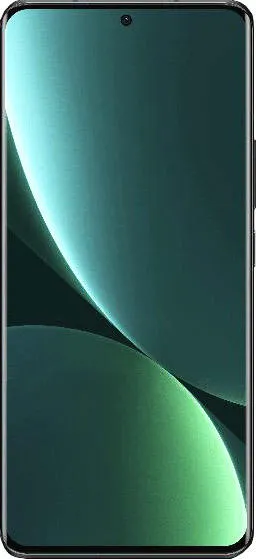
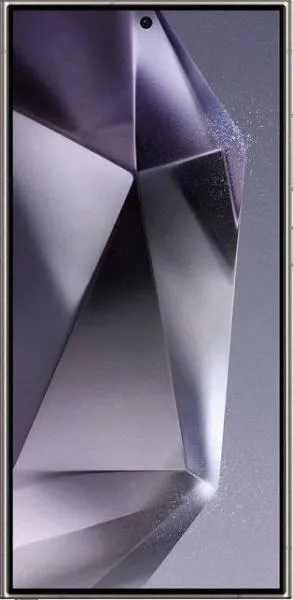
Xiaomi 13 Pro vs. Samsung Galaxy S24 Ultra: A Deep Dive
Hello, fellow tech enthusiasts! Today, we're diving deep into a comparative analysis of two titans in the Android arena: the Xiaomi 13 Pro and the Samsung Galaxy S24 Ultra. I've spent considerable time dissecting their specifications and translating them into real-world implications for you. Let's get started!
1. Specifications Breakdown
| Feature | Xiaomi 13 Pro | Samsung Galaxy S24 Ultra | Real-World Implications |
|---|---|---|---|
| Design | |||
| Dimensions (mm) | 162.9 x 74.6 x 8.4 | 162.3 x 79 x 8.6 | S24 Ultra slightly wider, thicker; negligible difference in hand feel. |
| Weight (g) | 210 | 232 | S24 Ultra noticeably heavier; potential fatigue during extended use. |
| Display | |||
| Size (inches) | 6.73 | 6.8 | S24 Ultra offers a slightly larger screen; marginal difference in viewing experience. |
| Resolution (px) | 1440 x 3200 | 1440 x 3120 | Nearly identical pixel density; both incredibly sharp. S24 Ultra slightly less tall due to aspect ratio difference. |
| Refresh Rate (Hz) | 120 | 120 | Smooth scrolling and animations on both. |
| Peak Brightness | 1900 nits | 2600 nits | S24 Ultra significantly brighter; superior outdoor visibility. |
| Performance | |||
| Chipset | Snapdragon 8 Gen 2 | Snapdragon 8 Gen 3 | S24 Ultra with newer, potentially faster processor, but Gen 2 already incredibly powerful. Real-world difference may be minimal. |
| RAM (GB) | 12 | 12 | Ample RAM for multitasking on both. |
| Camera | |||
| Main Sensor (MP) | 50 | 200 | S24 Ultra boasts significantly higher resolution; potential for more detailed images. |
| Telephoto | 3.2x optical | 3x & 10x optical | S24 Ultra offers superior zoom range and versatility. |
| Battery Life | |||
| Capacity (mAh) | 4820 | 5000 | S24 Ultra with larger battery; likely longer battery life, but real-world usage varies greatly. |
2. Key Insights
- Performance: Both phones are performance powerhouses. While the S24 Ultra's Snapdragon 8 Gen 3 might benchmark higher, the 8 Gen 2 in the 13 Pro is no slouch. For most users, the performance difference will be imperceptible in daily tasks.
- Display: The S24 Ultra's brighter display is a clear win for outdoor use. While both offer stunning visuals, that extra brightness can make a significant difference in direct sunlight.
- Camera: This is where the S24 Ultra pulls significantly ahead. The massive 200MP sensor and dual telephoto lenses offer unmatched versatility and detail. The Xiaomi 13 Pro, while having Leica-tuned optics, can't quite compete on paper.
- Battery: The S24 Ultra's larger battery likely translates to longer usage time. However, optimization plays a crucial role, so real-world battery life will need further testing.
3. User Profiles and Recommendations
- Xiaomi 13 Pro: Best for users seeking a slightly more compact, lighter phone with excellent performance and a great camera. The Leica collaboration might appeal to photography enthusiasts who prefer a particular color profile.
- Samsung Galaxy S24 Ultra: Ideal for power users who demand the absolute best in camera technology, display brightness, and battery life. The S Pen integration (not explicitly mentioned in the specs but a known S Ultra feature) adds another layer of productivity for certain users.
4. Buying Decision Framework
- Is camera quality your top priority? If so, the S24 Ultra's 200MP sensor and advanced zoom capabilities are hard to beat.
- Do you frequently use your phone outdoors in bright sunlight? The S24 Ultra's superior brightness will be a major advantage.
- Are you sensitive to phone weight and size? The lighter and slightly smaller Xiaomi 13 Pro might be more comfortable for extended use.
My Choice
If I were choosing between these two, I'd go with the Samsung Galaxy S24 Ultra. While the Xiaomi 13 Pro is an excellent device, the S24 Ultra's significant advantages in camera technology, display brightness, and potential battery life are compelling. I often shoot photos and videos in challenging lighting conditions, and the brighter screen is a must-have for me. The added weight is a minor trade-off for the substantial gains in other areas. Plus, as a long-time Android user, the longer software update commitment from Samsung provides peace of mind.
