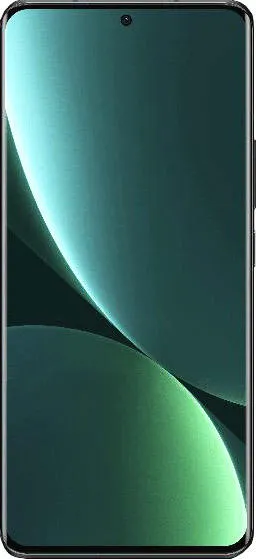
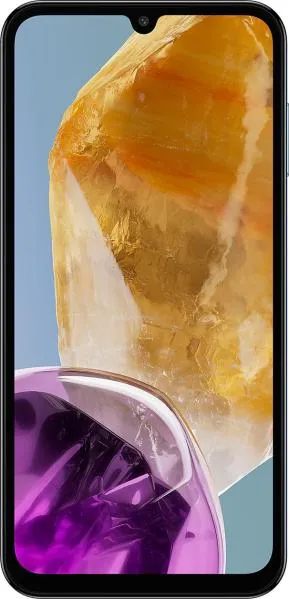
Xiaomi 13 Pro vs. Samsung Galaxy M15: A Deep Dive
Let's dissect the Xiaomi 13 Pro and Samsung Galaxy M15, two phones targeting different segments of the market. This analysis goes beyond the spec sheet, exploring how these devices perform in the real world.
1. Specifications Breakdown
| Feature | Xiaomi 13 Pro | Samsung Galaxy M15 | Real-World Implications |
|---|---|---|---|
| Design | |||
| Dimensions (mm) | 162.9 x 74.6 x 8.4 | 160.1 x 76.8 x 9.3 | Xiaomi is slightly more compact, Samsung is thicker. |
| Weight (g) | 210 | 217 | Negligible weight difference in hand. |
| Build Materials | Ceramic, Glass | Plastic | Xiaomi offers a more premium feel. |
| Display | |||
| Size (inches) | 6.73 | 6.5 | Xiaomi offers a larger screen for more immersive content consumption. |
| Resolution | 1440 x 3200 (WQHD+) | 1080 x 2340 (FHD+) | Sharper, more detailed visuals on the Xiaomi. Noticeably higher pixel density. |
| Type | LTPO AMOLED, 120Hz, Dolby Vision, HDR10+ | Super AMOLED, 90Hz | Xiaomi boasts a more advanced display with smoother animations, wider color gamut, and HDR support. |
| Peak Brightness | 1900 nits | 800 nits | Significantly brighter display on the Xiaomi, improving outdoor visibility. |
| Performance | |||
| Chipset | Snapdragon 8 Gen 2 (4nm) | Dimensity 6100+ (6nm) | Xiaomi offers flagship-level performance with significantly faster processing and graphics. |
| CPU | Octa-core (up to 3.2 GHz) | Octa-core (up to 2.2 GHz) | Xiaomi will handle demanding tasks and multitasking much more efficiently. |
| GPU | Adreno 740 | Mali-G57 MC2 | Superior gaming and graphics performance on the Xiaomi. |
| RAM | 12GB | 4/6GB | Xiaomi offers substantially more RAM for smoother multitasking and app loading. |
| Camera | |||
| Main | 50MP, Sony IMX989, 1-inch sensor | 50MP, ISOCELL | Xiaomi's larger sensor and Leica collaboration suggest better image quality. |
| Ultrawide | 50MP | 5MP | Noticeably higher resolution ultrawide on Xiaomi. |
| Telephoto | 50MP, 3.2x optical zoom | N/A | Xiaomi offers optical zoom for capturing distant subjects without quality loss. |
| Video | 8K@24fps, 4K@60fps | 1080p@30fps | Significantly better video recording capabilities on the Xiaomi. |
| Battery Life | |||
| Capacity (mAh) | 4820 | 6000 | Larger battery on the Samsung, but Xiaomi's more efficient processor may balance this out. |
2. Key Insights
The Xiaomi 13 Pro is a flagship device offering top-tier performance, a stunning display, and a highly capable camera system. The Samsung Galaxy M15, on the other hand, is a mid-range phone prioritizing affordability and long battery life.
Xiaomi's Advantages: Superior performance across the board, a brighter and more responsive display with HDR support, a more versatile camera system with a larger main sensor and optical zoom, and faster charging.
Samsung's Advantages: Significantly larger battery capacity potentially offering longer usage time, a more budget-friendly price point.
3. User Profiles and Recommendations
Xiaomi 13 Pro: Power users, gamers, photography enthusiasts, content creators, and those who demand the best possible performance and display quality. It's an investment in a premium mobile experience.
Samsung Galaxy M15: Budget-conscious users, casual users prioritizing battery life, individuals who primarily use their phones for communication and basic tasks. It's a practical device for everyday use without breaking the bank.
4. Buying Decision Framework
- What is your budget? The Xiaomi 13 Pro is a significantly more expensive device.
- What are your primary phone usage patterns? If you need top-tier performance and features, the Xiaomi is the clear winner. For basic use and long battery life, the Samsung is a solid choice.
- How important are camera quality and display quality to you? The Xiaomi excels in both areas.
My Choice: Xiaomi 13 Pro
While the Samsung Galaxy M15 offers great value for its price, I would choose the Xiaomi 13 Pro. As a tech enthusiast and someone who values performance, a great display, and a versatile camera, the Xiaomi aligns perfectly with my needs. The superior processing power, stunning LTPO AMOLED display, and advanced camera system with Leica lens are compelling features that significantly enhance the overall user experience. I'm willing to invest in the premium features and performance that the Xiaomi 13 Pro delivers. The jump in quality and capability justifies the higher price tag for my usage pattern.
