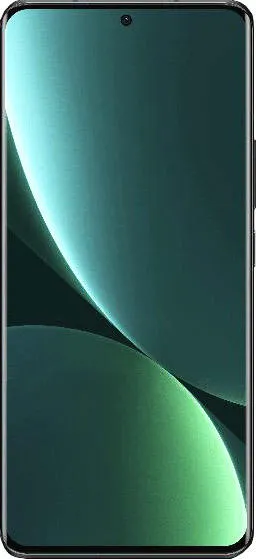
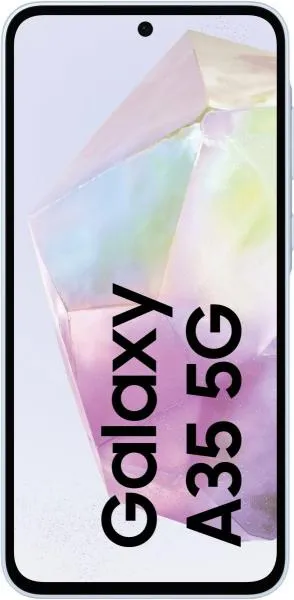
Xiaomi 13 Pro vs. Samsung Galaxy A35: A Deep Dive
Let's dissect the Xiaomi 13 Pro and the Samsung Galaxy A35, two phones occupying distinct tiers in the Android ecosystem. We'll go beyond the spec sheet to understand what these numbers really mean for you.
1. Specifications Breakdown
| Feature | Xiaomi 13 Pro | Samsung Galaxy A35 | Real-World Implications |
|---|---|---|---|
| Design | |||
| Dimensions (mm) | 162.9 x 74.6 x 8.4 | 161.7 x 78 x 8.2 | Xiaomi is slightly taller and narrower; both are slim and pocketable. |
| Weight (g) | 210 | 209 | Negligible weight difference. |
| Build Materials | Ceramic/Glass | Plastic | Xiaomi offers a more premium feel with potential for increased durability. |
| Display | |||
| Size (inches) | 6.73 | 6.6 | Xiaomi boasts a larger screen for more immersive content consumption. |
| Resolution | 1440 x 3200 (WQHD+) | 1080 x 2340 (FHD+) | Sharper, more detailed visuals on the Xiaomi due to higher pixel density (522 ppi vs. 390 ppi). |
| Type | LTPO AMOLED | Super AMOLED | Both offer vibrant colors and deep blacks; Xiaomi's LTPO allows for dynamic refresh rate, saving battery. |
| Refresh Rate (Hz) | 120Hz | 120Hz | Smooth scrolling and animations on both devices. |
| Performance | |||
| Chipset | Snapdragon 8 Gen 2 (4nm) | Exynos 1380 (5nm) | Significant performance advantage for Xiaomi in demanding tasks and gaming due to flagship processor. |
| CPU | Octa-core (3.2 GHz X3, 2.8 GHz A715/A710, 2.0 GHz A510) | Octa-core (2.4 GHz A78, 2.0 GHz A55) | Xiaomi's CPU architecture delivers superior multi-core performance and efficiency. |
| RAM | 12GB* | 6/8GB | Xiaomi offers more RAM, enabling better multitasking and smoother performance with memory-intensive applications. |
| Camera | |||
| Main Sensor | 50MP Sony IMX989 (1-inch) | 50MP Samsung GN8 | Both have high-resolution main sensors; Xiaomi utilizes a larger sensor, potentially capturing more light and detail. |
| DxOMark Score | 136 | 104 | Xiaomi demonstrates significantly better overall camera performance based on DxOMark testing. |
| Battery | |||
| Capacity (mAh) | 4820 | 5000 | Larger battery in the Samsung; however, real-world battery life depends on optimization and usage patterns. |
* RAM may vary depending on the Xiaomi 13 Pro version.
2. Key Insights
The Xiaomi 13 Pro is a clear flagship contender, boasting a top-tier processor, stunning display, and impressive camera system. The Samsung Galaxy A35, on the other hand, represents a solid mid-range option with a focus on affordability.
Xiaomi Advantages: Superior performance, significantly better camera, sharper display, premium materials. Samsung Advantages: Larger battery capacity, more affordable price point.
3. User Profiles and Recommendations
Xiaomi 13 Pro: Ideal for power users, gamers, photography enthusiasts, and anyone demanding top-of-the-line performance and features.
Samsung Galaxy A35: Suitable for budget-conscious users, casual gamers, and those prioritizing battery life and reliable performance for everyday tasks.
4. Buying Decision Framework
Questions to Ask:
- What's your budget? The Xiaomi 13 Pro commands a significantly higher price.
- What are your performance needs? Heavy multitasking and gaming favor the Xiaomi.
- How important is camera quality? The Xiaomi boasts a vastly superior camera system.
Scenario-Based Recommendations:
- Limited budget, moderate usage: Samsung Galaxy A35
- Demanding performance, premium experience: Xiaomi 13 Pro
My Choice: Xiaomi 13 Pro
While the Samsung Galaxy A35 is a respectable mid-range phone, the Xiaomi 13 Pro aligns perfectly with my priorities. As a tech journalist, I need a device with blazing-fast performance to handle multitasking, content creation, and resource-intensive apps. The superior camera system is crucial for capturing high-quality photos and videos for my articles. The stunning display enhances my media consumption experience. While the price is higher, the Xiaomi 13 Pro's overall package offers unparalleled value for my specific needs. I appreciate the premium build quality and the future-proofing offered by the Snapdragon 8 Gen 2 processor. The slightly smaller battery is a minor trade-off I'm willing to make for the significant gains in performance and features.
