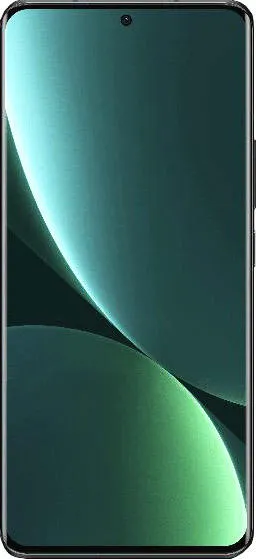
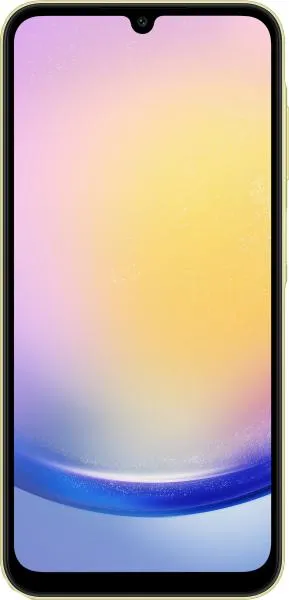
Xiaomi 13 Pro vs. Samsung Galaxy A15: A Deep Dive
Let's dissect the Xiaomi 13 Pro and Samsung Galaxy A15, two phones occupying distinct tiers in the smartphone landscape. This comparison goes beyond the spec sheet, exploring how these devices perform in the real world and for whom they are best suited.
1. Specifications Breakdown
| Feature | Xiaomi 13 Pro | Samsung Galaxy A15 | Real-World Implications |
|---|---|---|---|
| Design | |||
| Dimensions (mm) | 162.9 x 74.6 x 8.4 | 160.1 x 76.8 x 8.4 | Xiaomi is slightly taller and narrower. Negligible difference in daily use. |
| Weight (g) | 210 | 200 | Both feel substantial in hand, but the A15 is a tad lighter. |
| Build Materials | Ceramic, Glass | Plastic | Xiaomi offers a more premium feel and potentially better durability. |
| Display | |||
| Size (inches) | 6.73 | 6.5 | Xiaomi offers a larger screen for more immersive content consumption. |
| Resolution | 1440 x 3200 | 1080 x 2340 | Significantly sharper visuals and text on the Xiaomi, especially noticeable in photos and videos. |
| Refresh Rate (Hz) | 120 (LTPO) | 90 | Smoother animations and scrolling on the Xiaomi thanks to the higher and adaptive refresh rate. |
| Display Type | LTPO AMOLED | Super AMOLED | Both offer vibrant colors and deep blacks, but Xiaomi's LTPO panel allows for more power-efficient variable refresh rates. |
| Peak Brightness(nits) | 1900 | 800 | The Xiaomi's display will be much more visible in direct sunlight. |
| Performance | |||
| Chipset | Snapdragon 8 Gen 2 | Helio G99 | Vastly superior processing power in the Xiaomi, resulting in significantly faster app loading, multitasking, and gaming performance. |
| CPU | Octa-core (3.2 GHz) | Octa-core (2.2 GHz) | Xiaomi's CPU has much higher clock speeds and a more powerful architecture, delivering a significant performance advantage. |
| GPU | Adreno 740 | Mali-G57 MC2 | Xiaomi's GPU is considerably more powerful, enabling high-end gaming and smooth graphics rendering. The A15 will struggle with demanding games. |
| RAM (GB) | 12 | 4-8 (Variant Dependent) | More RAM in the Xiaomi allows for seamless multitasking and keeping more apps open in the background. The A15's 4GB RAM can lead to more frequent app closures. |
| Camera | |||
| Main Camera (MP) | 50 MP (1-inch sensor) | 50 MP | While both have 50MP main sensors, the Xiaomi uses a much larger 1-inch sensor capable of capturing more light and detail, especially in low-light conditions. |
| Other Cameras | 50MP Ultrawide, 50MP Telephoto | 5MP Ultrawide, 2MP Macro | Xiaomi boasts a more versatile and higher-quality camera system overall, with superior telephoto capabilities. |
| Video Recording | 8K @ 24fps, 4K @ 60fps | 1080p @ 30fps | Xiaomi offers significantly higher resolution and frame rate video recording capabilities. |
| Battery Life | |||
| Capacity (mAh) | 4820 | 5000 | While the A15 has a slightly larger battery, the Xiaomi's more efficient processor and LTPO display could result in comparable or even better battery life in real-world use. |
2. Key Insights
The Xiaomi 13 Pro is a flagship device with top-tier specifications across the board. Its strengths lie in its blazing-fast performance, stunning display, exceptional camera system, and premium design. The Samsung Galaxy A15, on the other hand, is a budget-friendly option targeting users with basic needs.
The performance difference between the Snapdragon 8 Gen 2 and the Helio G99 is substantial. The Xiaomi will handle demanding tasks with ease, while the A15 might experience lag or slowdowns. The camera systems also tell a similar story. Xiaomi's 1-inch sensor and Leica-tuned lenses deliver professional-grade image quality, while the A15's camera is more suited for casual snapshots.
3. User Profiles and Recommendations
Xiaomi 13 Pro: Ideal for power users, gamers, photography enthusiasts, and anyone who demands the best possible performance and features. If budget is less of a concern and you prioritize a premium experience, the 13 Pro is a stellar choice.
Samsung Galaxy A15: Suitable for budget-conscious users who primarily use their phones for calling, texting, social media, and light web browsing. Students or individuals looking for a reliable, affordable device will find the A15 adequate. It does offer a large battery for extended use, which is a plus.
4. Buying Decision Framework
- What is your budget? The Xiaomi 13 Pro is significantly more expensive.
- What are your primary phone usage patterns? If you need top-tier performance for gaming or professional tasks, the 13 Pro is essential. For basic usage, the A15 suffices.
- How important are camera quality and display to you? The Xiaomi offers a vastly superior experience in both areas.
My Choice: As a tech journalist focused on performance and cutting-edge features, the Xiaomi 13 Pro is the clear winner for me. Its superior processing power, stunning display, and exceptional camera system are essential for my workflow. While the Samsung Galaxy A15 offers good value for its price, it simply cannot compete with the 13 Pro's overall capabilities and premium experience. I appreciate the responsiveness and fluidity of a high refresh rate display, and the 13 Pro's camera system allows me to capture high-quality photos and videos for my articles. The significant price difference is justified by the immense gap in performance and features.
