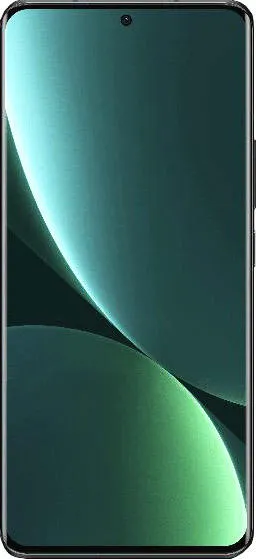
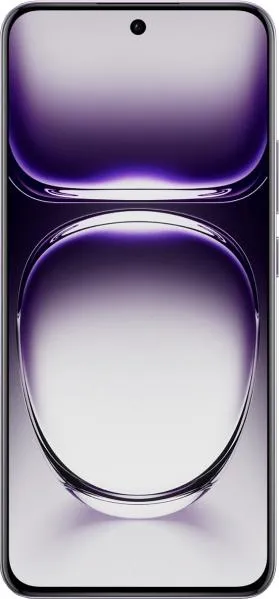
Xiaomi 13 Pro vs. Oppo Reno12 Pro: A Deep Dive
Let's dissect the Xiaomi 13 Pro and Oppo Reno12 Pro, two compelling smartphones with distinct strengths. This analysis goes beyond the spec sheet, exploring how these devices perform in the real world and which might be your perfect fit.
1. Specifications Breakdown
| Feature | Xiaomi 13 Pro | Oppo Reno12 Pro | Real-World Implications |
|---|---|---|---|
| Design | |||
| Dimensions (mm) | 162.9 x 74.6 x 8.4 | 161.5 x 74.8 x 7.4 | Reno12 Pro is slightly smaller and noticeably thinner. |
| Weight (g) | 210 | 180 | Reno12 Pro is significantly lighter, enhancing one-handed use. |
| Display | |||
| Size (inches) | 6.73 | 6.7 | Virtually identical screen real estate. |
| Resolution | 1440 x 3200 (WQHD+) | 1080 x 2412 (FHD+) | Sharper, more detailed visuals on the Xiaomi 13 Pro, noticeable in text clarity and image quality. |
| Type | LTPO AMOLED | AMOLED | Both offer vibrant colors and deep blacks. Xiaomi's LTPO panel enables dynamic refresh rate for power saving. |
| Peak Brightness | 1900 nits | 1200 nits | Xiaomi 13 Pro offers superior outdoor visibility. |
| Performance | |||
| Chipset | Snapdragon 8 Gen 2 | Dimensity 7300 | Xiaomi 13 Pro boasts significantly faster CPU and GPU performance, crucial for demanding games and multitasking. |
| RAM | 12GB | 12GB | Both offer ample RAM for smooth multitasking. |
| Camera | |||
| Main Sensor | 50MP Sony IMX989 (1-inch) | 50MP Sony LYT-600 (1/2-inch) | Xiaomi 13 Pro's larger sensor captures more light, resulting in better low-light performance and dynamic range. |
| Telephoto | 50MP Samsung S5KJN1 | 50MP Samsung S5KJN5 with 2x Optical Zoom | Similar telephoto capabilities, but the Xiaomi's wider aperture might offer a slight edge in low light. |
| Battery Life | |||
| Capacity | 4820 mAh | 5000 mAh | Oppo Reno12 Pro has a slightly larger battery capacity. Real-world battery life will depend on usage patterns. |
2. Key Insights
- Performance Powerhouse: The Xiaomi 13 Pro, fueled by the Snapdragon 8 Gen 2, is a performance champion. Expect seamless gaming, smooth multitasking, and snappy responsiveness. The Reno12 Pro, while capable, targets a different user with its mid-range Dimensity chip.
- Visual Feast: The Xiaomi 13 Pro's WQHD+ LTPO AMOLED display is stunning. Its higher resolution and peak brightness deliver a superior visual experience, especially outdoors. The Reno12 Pro's FHD+ AMOLED is good, but not as impressive.
- Camera Prowess: Both phones pack impressive camera systems. However, the Xiaomi 13 Pro's 1-inch main sensor is a game-changer, offering exceptional low-light performance and dynamic range. The Reno12 Pro's camera is no slouch, but the Xiaomi edges out in image quality.
- Lightweight Champion: The Oppo Reno12 Pro is noticeably lighter, making it more comfortable for extended use. If one-handed usability is a priority, the Reno12 Pro shines.
3. User Profiles and Recommendations
- Xiaomi 13 Pro: Ideal for power users, gamers, photography enthusiasts, and anyone demanding top-tier performance and a premium display. It's an investment in a flagship experience.
- Oppo Reno12 Pro: Suited for users seeking a stylish, lightweight phone with a good camera and long battery life, without the flagship price tag. Excellent for everyday tasks, social media, and casual gaming.
4. Buying Decision Framework
- What's your budget? The Xiaomi 13 Pro sits in the high-price bracket, while the Reno12 Pro offers excellent value in the mid-range segment.
- Is peak performance a priority? For demanding tasks and gaming, the Xiaomi 13 Pro is the clear winner.
- How important is portability and battery life? The Reno12 Pro's lighter weight and larger battery might appeal to users prioritizing comfort and longevity.
My Choice: Xiaomi 13 Pro
While the Oppo Reno12 Pro is a compelling mid-range option, I would choose the Xiaomi 13 Pro. As a tech enthusiast, I value the unparalleled performance of the Snapdragon 8 Gen 2 and the stunning visual experience offered by the WQHD+ LTPO AMOLED display. The superior camera system, with its 1-inch main sensor, is the icing on the cake. While I acknowledge the higher price and slightly heavier build, the significant performance and display advantages outweigh these factors for my personal needs and preferences. I appreciate having a device that can handle anything I throw at it, from demanding games to professional photo editing, with a display that truly brings content to life.
