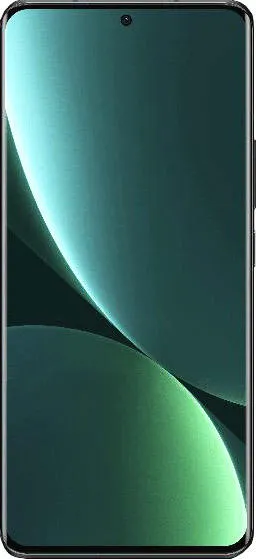
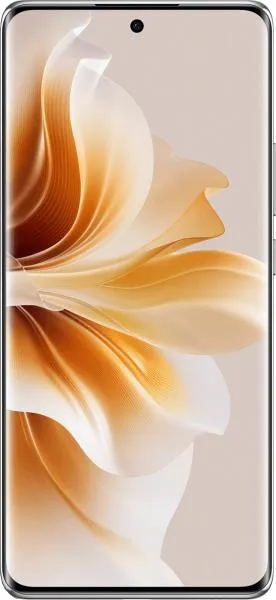
Xiaomi 13 Pro vs. Oppo Reno11: A Deep Dive for the Discerning Smartphone User
Hello, fellow tech enthusiasts! Today, we're dissecting two intriguing smartphones: the powerhouse Xiaomi 13 Pro and the sleek Oppo Reno11. Let's cut through the marketing fluff and see how these devices stack up in the real world.
1. Specifications Breakdown
| Feature | Xiaomi 13 Pro | Oppo Reno11 | Real-World Implications |
|---|---|---|---|
| Design | |||
| Dimensions (mm) | 162.9 x 74.6 x 8.4 | 162.4 x 74.3 x 7.9 | Xiaomi is slightly larger; both are relatively thin and manageable. |
| Weight (g) | 210 | 182 | Oppo is noticeably lighter, enhancing one-handed use and portability. |
| Display | |||
| Size | 6.73" | 6.7" | Negligible difference in screen real estate. |
| Resolution | 1440 x 3200 (WQHD+) | 1080 x 2412 (FHD+) | Xiaomi offers significantly sharper visuals, especially for media consumption and detail-oriented tasks. |
| Type | LTPO AMOLED | AMOLED | Both offer vibrant colors and deep blacks; Xiaomi's LTPO allows for dynamic refresh rate, saving battery. |
| Refresh Rate | 120Hz | 120Hz | Both offer smooth scrolling and animations. |
| Performance | |||
| Chipset | Snapdragon 8 Gen 2 | Dimensity 7050 | Xiaomi boasts a flagship processor, translating to significantly faster performance in demanding tasks and gaming. |
| CPU | Octa-core (up to 3.2 GHz) | Octa-core (up to 2.6 GHz) | Xiaomi's CPU provides a substantial performance advantage in multitasking and heavy applications. |
| GPU | Adreno 740 | Mali-G68 MC4 | Xiaomi's GPU delivers superior graphics performance for gaming and visually intensive applications. |
| RAM | 12GB | 12GB | Both offer ample RAM for smooth multitasking. |
| Camera | |||
| Main Sensor | 50MP Sony IMX989 (1-inch) | 50MP Sony LYT-600 | Xiaomi's larger sensor promises superior low-light performance and dynamic range. |
| Other Lenses | 50MP Ultrawide, 50MP Telephoto | 8MP Ultrawide, 32MP Telephoto | Xiaomi offers higher resolution ultrawide and telephoto lenses for greater detail and versatility. |
| Battery Life | |||
| Capacity | 4820 mAh | 5000 mAh | Oppo has a slightly larger battery, but Xiaomi's LTPO display might offset this in real-world usage. |
2. Key Insights
The Xiaomi 13 Pro is a clear flagship contender. Its Snapdragon 8 Gen 2 chip, stunning WQHD+ LTPO AMOLED display, and advanced camera system position it as a premium device for demanding users. The larger main camera sensor with a 1-inch size is a standout feature, promising exceptional image quality.
The Oppo Reno11, while not a flagship, offers a compelling mid-range package. Its strengths lie in its sleek design, lighter weight, large battery, and smooth 120Hz AMOLED display. However, the Dimensity 7050 processor pales compared to the Snapdragon 8 Gen 2, indicating a noticeable performance gap.
3. User Profiles and Recommendations
Xiaomi 13 Pro: Ideal for power users, gamers, photography enthusiasts, and anyone seeking top-tier performance and a premium experience.
Oppo Reno11: Suitable for users prioritizing style, portability, battery life, and a smooth display for everyday tasks like social media, browsing, and casual gaming. Price conscious buyers will also find the Reno11 more attractive.
4. Buying Decision Framework
- What is your budget? The Xiaomi 13 Pro falls in the "high price" range, while the Oppo Reno11 is "medium price."
- What are your performance needs? If you require top-tier processing power for demanding tasks and gaming, the 13 Pro is the clear winner.
- What are your camera priorities? The Xiaomi 13 Pro offers a significant advantage in camera hardware and overall image quality.
Scenario-Based Recommendations:
- Heavy gamer: Xiaomi 13 Pro
- Photography enthusiast: Xiaomi 13 Pro
- Casual user on a budget: Oppo Reno11
- User prioritizing battery life and style: Oppo Reno11
My Choice: Xiaomi 13 Pro
While the Oppo Reno11 offers a compelling mid-range package, I would choose the Xiaomi 13 Pro. The significant performance advantage offered by the Snapdragon 8 Gen 2, coupled with the stunning display and class-leading camera system, makes it a more compelling device for my needs. I prioritize performance, a fluid user experience, and excellent camera quality, and the 13 Pro excels in all these areas. The price premium is justified for the substantial leap in overall capabilities. The Oppo is a solid phone, but it doesn't excite me in the same way the 13 Pro does. The 13 Pro feels like a device that will remain relevant and powerful for years to come.
