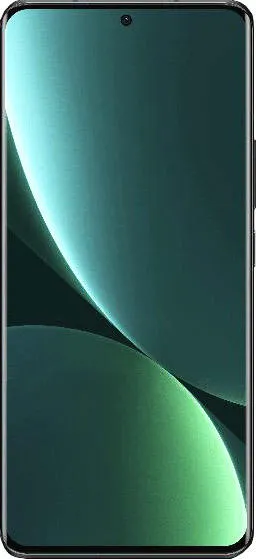
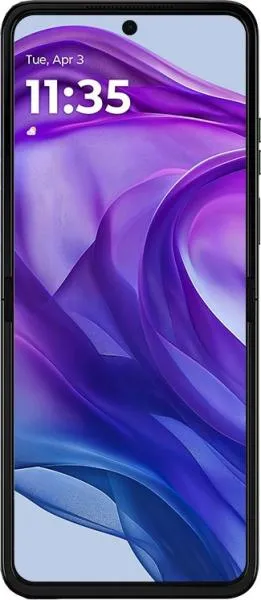
Xiaomi 13 Pro vs. Motorola Razr 50 Ultra: A Deep Dive
The smartphone landscape is constantly evolving, with devices catering to a diverse range of needs and preferences. Today, we'll dissect two distinct contenders: the Xiaomi 13 Pro, a powerhouse flagship, and the Motorola Razr 50 Ultra, a cutting-edge foldable. This head-to-head comparison goes beyond the spec sheet, focusing on how these technical differences translate into real-world user experiences.
1. Specifications Breakdown
| Feature | Xiaomi 13 Pro | Motorola Razr 50 Ultra | Real-World Implications |
|---|---|---|---|
| Design | |||
| Dimensions (mm) | 162.9 x 74.6 x 8.4 | 171.4 x 74 x 7.1 (Unfolded) | Razr 50 Ultra is significantly more compact when folded, enhancing portability. |
| Weight (g) | 210 | 189 | Razr 50 Ultra is noticeably lighter. |
| Foldable | No | Yes | Razr 50 Ultra offers a unique form factor and a larger cover screen for quick interactions. |
| Display | |||
| Size (inches) | 6.73 | 6.9 (Main), ~3.6 (Cover) | Razr offers a larger main display but Xiaomi boasts a more conventional aspect ratio for media consumption. The Razr's sizable cover screen allows for more functionality when folded. |
| Resolution (px) | 1440 x 3200 | 1080 x 2640 | Xiaomi offers a sharper display with higher pixel density. |
| Refresh Rate (Hz) | 120 (LTPO) | 165 | Razr 50 Ultra provides smoother scrolling and animations, but may consume more battery. Xiaomi's LTPO allows for dynamic refresh rate adjustment, optimizing battery life. |
| Performance | |||
| Chipset | Snapdragon 8 Gen 2 | Snapdragon 8+ Gen 1 | Xiaomi features a newer, more powerful processor, leading to superior performance in demanding tasks and gaming. |
| RAM (GB) | 12 | 12 | Both phones offer ample RAM for multitasking. |
| Camera | |||
| Main Sensor (MP) | 50 (1-inch) | 50 | Xiaomi's larger sensor potentially captures more light and detail, especially in low-light conditions. |
| Battery Life | |||
| Capacity (mAh) | 4820 | 4000 | Xiaomi has a significantly larger battery, potentially lasting longer on a single charge. |
2. Key Insights
- Performance: The Xiaomi 13 Pro, with its Snapdragon 8 Gen 2, clearly outperforms the Razr 50 Ultra in raw processing power. This translates to faster app loading, smoother gaming, and better overall responsiveness.
- Camera: While both phones boast 50MP main sensors, the Xiaomi 13 Pro's larger 1-inch sensor suggests a significant advantage in image quality, particularly in low light. Xiaomi also features a more versatile triple camera system compared to the Razr's dual setup.
- Battery: The Xiaomi's substantially larger battery capacity gives it a clear edge in longevity. The Razr's higher refresh rate display could drain its smaller battery more quickly.
- Form Factor: The Razr 50 Ultra's foldable design offers unmatched portability and a unique user experience. Its larger external display enables meaningful interactions without unfolding. However, this innovative design comes with a trade-off in battery capacity and potential durability concerns.
3. User Profiles and Recommendations
- Xiaomi 13 Pro: Ideal for power users, photographers, and videographers who prioritize performance, battery life, and a top-tier camera system. Its robust specifications make it a versatile device for demanding tasks and multimedia consumption.
- Motorola Razr 50 Ultra: Best suited for users who value portability and style above all else. The foldable design and large cover screen are perfect for those who want a compact phone that doesn't compromise on functionality. It's a great choice for social media enthusiasts who need quick access to notifications and apps.
4. Buying Decision Framework
What is your priority: Performance and battery life or portability and style? If the former, the Xiaomi 13 Pro is the clear winner. If the latter, the Razr 50 Ultra's foldable design will be more appealing.
How important is camera quality to you? The Xiaomi 13 Pro's superior camera hardware makes it a better choice for photography enthusiasts.
What is your budget? The Xiaomi 13 Pro falls into the "high price" range, while the Razr 50 Ultra is positioned in the "medium price" range, potentially offering more value for its price.
My Choice: As Alex Griffin, I would choose the Xiaomi 13 Pro. While the Razr 50 Ultra's foldable design is intriguing, I prioritize performance, battery life, and camera quality. The Xiaomi 13 Pro excels in all these areas, offering a more well-rounded and powerful user experience. As a tech journalist who often pushes devices to their limits, the 13 Pro's robust specifications and longer battery life are crucial. While I appreciate the Razr's innovation, the trade-offs in battery and performance are too significant for my needs.
