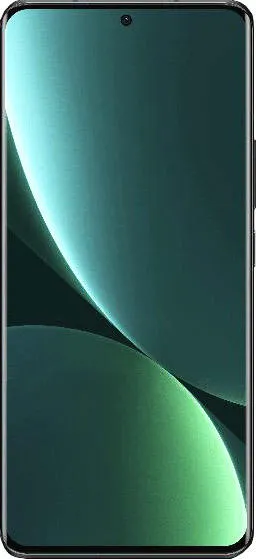
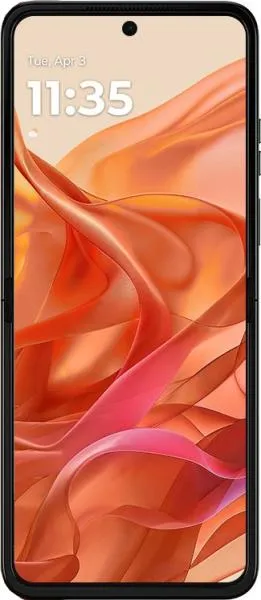
Xiaomi 13 Pro vs. Motorola Razr 50: A Deep Dive
The smartphone landscape is constantly evolving, offering a diverse range of devices to cater to various needs and preferences. Today, we'll dissect two distinct contenders: the Xiaomi 13 Pro, a powerhouse flagship, and the Motorola Razr 50, a stylish foldable. Let's delve into the specifics and uncover what each phone brings to the table.
1. Specifications Breakdown
| Feature | Xiaomi 13 Pro | Motorola Razr 50 | Real-World Implications |
|---|---|---|---|
| Design | |||
| Dimensions (mm) | 162.9 x 74.6 x 8.4 | 171.3 x 74 x 7.3 | Razr 50 is taller and slimmer when unfolded, more pocketable when folded. |
| Weight (g) | 210 | 188.4 | Razr 50 is noticeably lighter. |
| Foldable | No | Yes | Razr 50 offers a compact folded form factor. |
| Display | |||
| Size (inches) | 6.73 | 6.9 | Razr 50 boasts a slightly larger screen. |
| Resolution (px) | 1440 x 3200 | 1080 x 2640 | Xiaomi 13 Pro offers significantly sharper visuals. |
| Type | LTPO AMOLED | Foldable AMOLED | Both offer vibrant colors and deep blacks. Xiaomi 13 Pro's LTPO enables dynamic refresh rate for power efficiency. |
| Refresh Rate (Hz) | 120 | 120 | Both deliver smooth scrolling and animations. |
| Peak Brightness(nits) | 1900 | 3000 | Razr 50 can get significantly brighter outdoors. |
| Performance | |||
| Chipset | Snapdragon 8 Gen 2 | Dimensity 7300X | Xiaomi 13 Pro provides significantly faster processing speeds and graphics performance for demanding tasks and gaming. |
| CPU | Octa-core (3.2 GHz) | Octa-core (2.5 GHz) | Xiaomi 13 Pro offers superior multi-tasking capabilities. |
| RAM (GB) | 12 | 8/12 | Both offer ample RAM for smooth operation; Xiaomi 13 Pro's 12GB ensures seamless multitasking. |
| Camera | |||
| Main Camera (MP) | 50 (1-inch sensor) | 50 | Xiaomi 13 Pro utilizes a larger sensor for superior low-light performance and depth of field. |
| Ultrawide (MP) | 50 | 13 | Xiaomi 13 Pro offers a higher resolution ultrawide camera. |
| Telephoto (MP) | 50 | N/A | Xiaomi 13 Pro includes a dedicated telephoto lens for optical zoom. |
| Battery Life | |||
| Capacity (mAh) | 4820 | 4200 | Xiaomi 13 Pro boasts a larger battery capacity, potentially leading to longer usage time. |
2. Key Insights
The Xiaomi 13 Pro shines as a true flagship, flexing its muscle with the top-tier Snapdragon 8 Gen 2 processor, a stunning high-resolution display, and a versatile Leica-tuned camera system featuring a massive 1-inch sensor. Its performance is unmatched in this comparison, making it ideal for power users and mobile photographers.
The Motorola Razr 50 carves its niche as a more affordable foldable, offering a compact form factor and a unique user experience. While its performance is a step below the Xiaomi 13 Pro, it still delivers a smooth experience for everyday tasks. The brighter peak brightness is a notable advantage for outdoor use.
3. User Profiles and Recommendations
Xiaomi 13 Pro: Ideal for users who demand top-tier performance, a brilliant display, and a cutting-edge camera system. Gamers, content creators, and photography enthusiasts will appreciate its capabilities.
Motorola Razr 50: Perfect for users prioritizing portability and style. The foldable design offers a compact form factor without sacrificing screen real estate. It suits users who value a unique design and prioritize on-the-go convenience.
4. Buying Decision Framework
- Is top-tier performance a priority? If yes, the Xiaomi 13 Pro is the clear winner.
- Is portability and a unique design paramount? If yes, the Razr 50's foldable form factor is compelling.
- What's your budget? The Xiaomi 13 Pro sits in a higher price bracket, reflecting its premium features.
My Choice: Xiaomi 13 Pro
While the Razr 50's foldable design is intriguing, I would choose the Xiaomi 13 Pro. As a tech enthusiast who frequently uses demanding applications, captures photos and videos, and values a smooth and responsive user experience, the Xiaomi 13 Pro's superior performance, stunning display, and advanced camera system are more aligned with my needs. The larger battery capacity also provides peace of mind for extended use. The price difference is justified by the significant leap in overall capabilities. While I appreciate the innovation of the Razr 50, the Xiaomi 13 Pro offers a more compelling package for my usage patterns.
