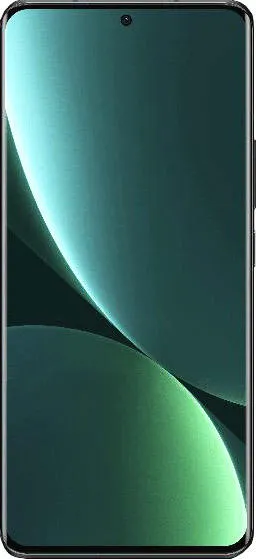
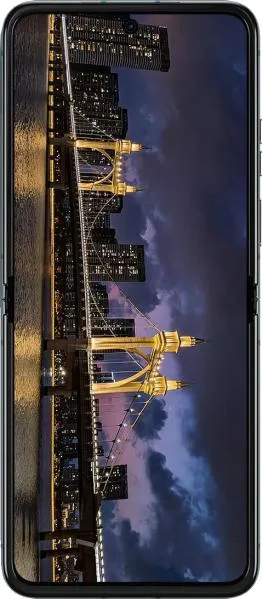
Xiaomi 13 Pro vs. Motorola Razr 40 Ultra: A Deep Dive
Let's dissect the Xiaomi 13 Pro and the Motorola Razr 40 Ultra, two compelling smartphones with distinct strengths. This analysis goes beyond the spec sheet, translating technical jargon into practical insights to help you choose the perfect device.
1. Specifications Breakdown
| Feature | Xiaomi 13 Pro | Motorola Razr 40 Ultra | Real-World Implications |
|---|---|---|---|
| Design | |||
| Dimensions (mm) | 162.9 x 74.6 x 8.4 | 170.8 x 74 x 7 (unfolded) | Razr 40 Ultra is significantly more compact when folded, enhancing portability. |
| Weight (g) | 210 | 184.5 | Razr 40 Ultra is noticeably lighter. |
| Foldable | No | Yes | Razr 40 Ultra offers a unique form factor, potentially sacrificing some durability and battery life. |
| Display | |||
| Size (inches) | 6.73 | 6.9 | Razr 40 Ultra boasts a slightly larger main screen. |
| Resolution (px) | 1440 x 3200 | 1080 x 2640 | Xiaomi 13 Pro offers significantly sharper visuals due to higher pixel density. |
| Refresh Rate (Hz) | 120 (LTPO) | 165 | Razr 40 Ultra provides smoother scrolling and animations, but LTPO on Xiaomi can save battery. |
| Display Type | LTPO AMOLED | Foldable LTPO AMOLED | Xiaomi's LTPO panel likely offers better power efficiency. |
| Performance | |||
| Chipset | Snapdragon 8 Gen 2 | Snapdragon 8+ Gen 1 | Both offer flagship-level performance, but Snapdragon 8 Gen 2 provides a noticeable edge. |
| CPU | Octa-core (up to 3.2 GHz) | Octa-core (up to 3.19 GHz) | Negligible real-world difference in CPU performance. |
| GPU | Adreno 740 | Adreno 730 | Xiaomi 13 Pro likely has a slight advantage in graphics-intensive tasks. |
| RAM (GB) | 12 | 8/12 | 12GB RAM on both top variants ensures smooth multitasking. |
| Camera | |||
| Main Camera (MP) | 50 (1-inch sensor) | 12 | Xiaomi 13 Pro's larger sensor promises superior low-light performance and dynamic range. |
| Ultrawide (MP) | 50 | 13 | Xiaomi 13 Pro again likely offers better image quality. |
| Telephoto (MP) | 50 | N/A | Xiaomi 13 Pro offers optical zoom capabilities. |
| Battery Life | |||
| Capacity (mAh) | 4820 | 3800 | Xiaomi 13 Pro boasts significantly larger battery capacity, suggesting longer endurance. |
2. Key Insights
- Performance: Both phones deliver top-tier performance, but the Xiaomi 13 Pro's Snapdragon 8 Gen 2 holds a slight edge in processing power and graphics capabilities.
- Camera: The Xiaomi 13 Pro significantly outclasses the Razr 40 Ultra in camera hardware, particularly with its 1-inch main sensor and dedicated telephoto lens. Expect superior image quality, especially in challenging lighting conditions.
- Display: While the Razr 40 Ultra offers a slightly larger display and a faster refresh rate, the Xiaomi 13 Pro's higher resolution and LTPO technology result in a sharper, potentially more energy-efficient screen.
- Form Factor: The Razr 40 Ultra's foldable design offers unparalleled portability, but this comes at the cost of potential durability concerns and a smaller battery. The Xiaomi 13 Pro represents a more traditional, robust slab-style phone.
3. User Profiles and Recommendations
- Xiaomi 13 Pro: Ideal for users prioritizing performance, camera quality, and battery life. Power users, photographers, and videographers will appreciate its robust feature set.
- Motorola Razr 40 Ultra: Best suited for users who value portability and a unique, stylish design above all else. The large external display makes it great for quick interactions without unfolding. Those frequently on the go will find its compact folded size highly appealing.
4. Buying Decision Framework
- Is portability your top priority? If so, the Razr 40 Ultra's foldable design is a clear winner.
- Do you demand the best possible camera and performance? The Xiaomi 13 Pro excels in these areas.
- What's your budget? The Razr 40 Ultra is generally more affordable, making it a compelling option for budget-conscious buyers who still want a flagship experience.
My Choice: Xiaomi 13 Pro
While the Razr 40 Ultra's foldable design is undeniably cool, I prioritize camera quality, performance, and battery life. The Xiaomi 13 Pro's superior hardware in these crucial areas, combined with its stunning display, makes it the more compelling device for my needs. I appreciate having a robust, reliable phone that can handle demanding tasks and capture incredible photos and videos. The larger battery also provides peace of mind, ensuring I can go a full day without worrying about running out of power. While the Razr 40 Ultra's form factor is innovative, the compromises in other areas don't align with my personal priorities.
