
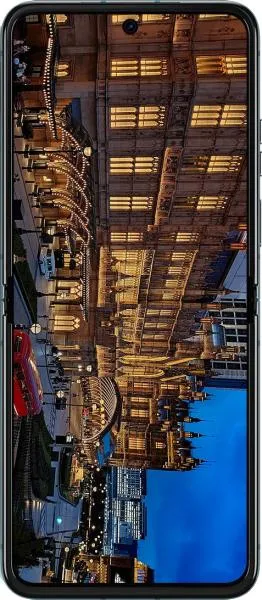
Let's dive into a comparative analysis of the Xiaomi 13 Pro and the Motorola Razr 40, two phones that cater to distinct user preferences.
1. Specifications Breakdown
| Feature | Xiaomi 13 Pro | Motorola Razr 40 | Real-World Implications |
|---|---|---|---|
| Design | |||
| Dimensions (mm) | 162.9 x 74.6 x 8.4 | 170.8 x 74 x 7.4 | Razr 40 is taller and thinner when unfolded, significantly smaller when folded. |
| Weight (g) | 210 | 188.6 | Razr 40 noticeably lighter, crucial for a foldable. |
| Foldable | No | Yes | Razr 40 offers pocket portability, unique form factor. |
| Display | |||
| Size (inches) | 6.73 | 6.9 | Razr 40 slightly larger main screen. |
| Resolution (px) | 1440 x 3200 | 1080 x 2640 | Xiaomi 13 Pro significantly sharper, better for detail-oriented tasks. |
| Refresh Rate (Hz) | 120 | 144 | Razr 40 smoother animations, but difference might not be perceptible to all. |
| Display Type | LTPO AMOLED | Foldable LTPO AMOLED | Xiaomi's LTPO more efficient, Razr's folding capability is transformative. |
| Peak Brightness (nits) | 1900 | 1400 | Xiaomi 13 Pro brighter outdoors. |
| Performance | |||
| Chipset | Snapdragon 8 Gen 2 | Snapdragon 7 Gen 1 | Xiaomi 13 Pro significantly more powerful, better for demanding games and multitasking. |
| CPU | Octa-core (up to 3.2 GHz) | Octa-core (up to 2.4 GHz) | Xiaomi 13 Pro faster processing speeds, smoother overall performance. |
| GPU | Adreno 740 | Adreno 644 | Xiaomi 13 Pro superior graphics performance for gaming. |
| RAM (GB) | 12 | 8 | Xiaomi 13 Pro better multitasking, smoother app switching. |
| Camera | |||
| Main Camera (MP) | 50 MP (1-inch sensor) | 64 MP | Xiaomi 13 Pro boasts superior low-light performance and dynamic range thanks to its larger sensor. |
| Ultrawide (MP) | 50 MP | 13 MP | Xiaomi 13 Pro higher resolution ultrawide, captures more detail. |
| Telephoto (MP) | 50 MP | N/A | Xiaomi 13 Pro offers optical zoom for clearer distant shots. |
| Battery Life | |||
| Capacity (mAh) | 4820 | 4200 | Xiaomi 13 Pro potentially longer battery life, but real-world usage varies. |
2. Key Insights
- Xiaomi 13 Pro: A powerhouse flagship prioritizing performance, camera quality, and a premium display. Its Snapdragon 8 Gen 2 chip ensures top-tier speed, while the Leica-tuned camera system delivers exceptional imaging capabilities.
- Motorola Razr 40: A stylish foldable phone that emphasizes portability and unique user experience. While less powerful than the Xiaomi, it offers a compact form factor and a head-turning design. The external display allows for quick interactions without unfolding.
3. User Profiles and Recommendations
- Xiaomi 13 Pro: Ideal for power users, mobile gamers, photography enthusiasts, and anyone who demands top-of-the-line performance and a stunning display.
- Motorola Razr 40: Perfect for style-conscious users who value portability and a unique form factor. Suitable for those who prioritize compact size and on-the-go convenience over raw processing power.
4. Buying Decision Framework
- What is your budget? The Xiaomi 13 Pro sits in a higher price bracket than the Razr 40.
- Do you prioritize ultimate performance or portability and style? The Xiaomi excels in performance, while the Razr prioritizes portability with its foldable design.
- How important is camera quality to you? The Xiaomi 13 Pro offers a significantly more advanced camera system.
My Choice
If I were choosing between these two, I'd opt for the Xiaomi 13 Pro. While the Razr 40's foldable design is intriguing, my priorities lie in performance, camera capabilities, and a sharp display. The Xiaomi 13 Pro delivers significantly in these areas thanks to its Snapdragon 8 Gen 2 processor, Leica-tuned camera system with a 1-inch sensor, and high-resolution LTPO AMOLED screen. As someone who frequently multitasks, edits photos, and appreciates a smooth, responsive user experience, the Xiaomi 13 Pro aligns better with my needs. The superior battery life is also a compelling factor. While I appreciate the Razr 40's innovative design, the performance trade-off is too significant for my personal preferences.
