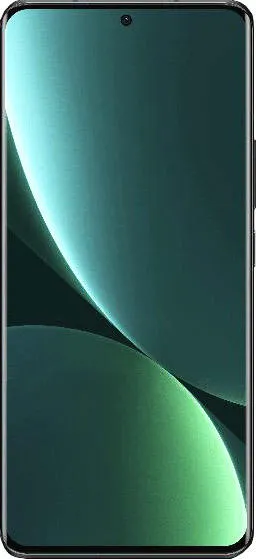
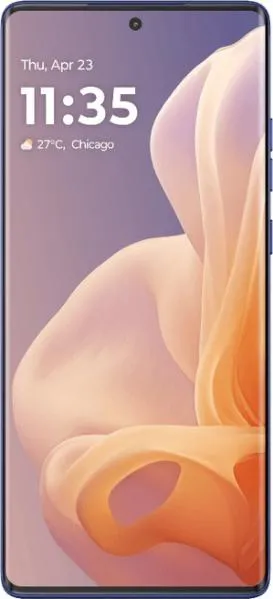
Xiaomi 13 Pro vs. Motorola Moto G85: A Tech Journalist's Deep Dive
Let's dissect the Xiaomi 13 Pro and the Motorola Moto G85, two smartphones occupying distinct tiers in the mobile landscape. We'll go beyond the spec sheets to uncover what these devices offer in real-world usage.
1. Specifications Breakdown
| Feature | Xiaomi 13 Pro | Motorola Moto G85 | Real-World Implications |
|---|---|---|---|
| Design | |||
| Dimensions (mm) | 162.9 x 74.6 x 8.4 | 161.9 x 73.1 x 7.6 | Xiaomi is slightly larger; Moto G85 is thinner and lighter. Impacts one-handed use and pocketability. |
| Weight (g) | 210 | 171 | Moto G85 noticeably lighter, reducing hand fatigue during extended use. |
| Display | |||
| Type | LTPO AMOLED | P-OLED | Xiaomi offers superior contrast, power efficiency, and potential for smoother scrolling with LTPO. |
| Size (inches) | 6.73 | 6.67 | Negligible difference in screen real estate. |
| Resolution | 1440 x 3200 (WQHD+) | 1080 x 2400 (FHD+) | Xiaomi boasts significantly sharper visuals due to higher pixel density. Impacts clarity and detail. |
| Refresh Rate (Hz) | 120 | 120 | Both offer smooth scrolling and animations. |
| Peak Brightness | 1900 nits | 1600 nits | Xiaomi's display is brighter, enhancing outdoor visibility. |
| Performance | |||
| Chipset | Snapdragon 8 Gen 2 | Snapdragon 6s Gen 3 | Massive performance gap. Xiaomi handles demanding tasks and gaming with ease; Moto G85 is for everyday use. |
| CPU | Octa-core (up to 3.2 GHz) | Octa-core (up to 2.3 GHz) | Xiaomi offers significantly faster processing speeds, crucial for multitasking and responsiveness. |
| RAM | 12 GB | 12 GB | Both have ample RAM for smooth multitasking, although Xiaomi utilizes it more effectively due to the CPU. |
| Camera | |||
| Main Sensor | 50MP Sony IMX989 (1-inch) | 50MP Sony LYT-600 (1/2-inch) | Xiaomi's larger sensor captures more light, resulting in better low-light performance and dynamic range. |
| Ultrawide | 50MP Samsung S5KJN1 | 8MP | Significant difference in resolution and likely image quality. Xiaomi's ultrawide is vastly superior. |
| Telephoto | 50MP Samsung S5KJN1 | N/A | Xiaomi offers optical zoom for capturing distant subjects without quality loss. |
| Battery Life | |||
| Capacity (mAh) | 4820 | 5000 | Moto G85 has slightly larger battery, but Xiaomi's more efficient chip could result in comparable battery life. |
2. Key Insights
The Xiaomi 13 Pro is a flagship powerhouse. Its Snapdragon 8 Gen 2 chip delivers blistering performance, the stunning AMOLED display showcases vibrant visuals, and the camera system excels in versatility and image quality. The LTPO display dynamically adjusts its refresh rate for optimal power consumption.
The Motorola Moto G85 is a mid-range contender prioritizing value. Its Snapdragon 6s Gen 3 provides adequate performance for daily tasks, the P-OLED display offers good color reproduction, and the large battery promises long-lasting usage. It compromises on camera quality and processing power compared to the Xiaomi.
3. User Profiles and Recommendations
Xiaomi 13 Pro: Ideal for power users, mobile gamers, photography enthusiasts, and anyone demanding top-tier performance and a premium experience.
Motorola Moto G85: Suitable for budget-conscious users, casual gamers, social media users, and those prioritizing battery life and affordability over peak performance.
4. Buying Decision Framework
- What is your budget? The Xiaomi 13 Pro is significantly more expensive.
- What are your performance needs? For demanding tasks and gaming, the Xiaomi 13 Pro is essential.
- How important is camera quality? The Xiaomi 13 Pro offers a vastly superior camera system.
Scenario-Based Recommendations:
- Heavy gamer with a flexible budget: Xiaomi 13 Pro
- Casual user on a tight budget: Motorola Moto G85
- Photography enthusiast who values performance: Xiaomi 13 Pro
My Choice: Xiaomi 13 Pro
While the Moto G85 offers excellent value, I would choose the Xiaomi 13 Pro. As a tech journalist who frequently uses demanding apps, edits photos and videos on the go, and appreciates a premium user experience, the Xiaomi's superior performance, stunning display, and versatile camera system are essential. The marginal difference in battery capacity is outweighed by the Xiaomi's overall efficiency and feature set. The investment in the 13 Pro aligns better with my needs and workflow. Having a device that can keep up with the fast-paced world of tech is paramount.
