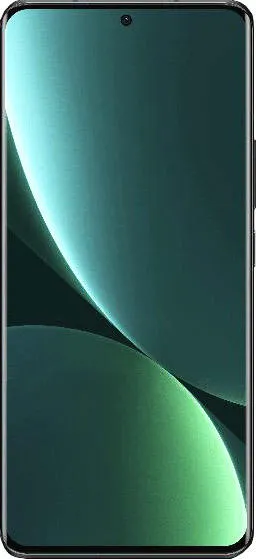
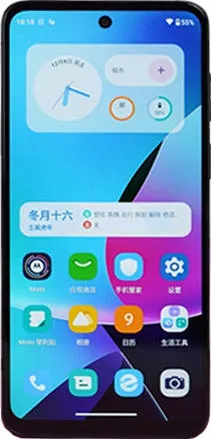
Xiaomi 13 Pro vs. Motorola Moto G53: A Deep Dive
Let's dissect these two phones, the Xiaomi 13 Pro and the Motorola Moto G53, and see how they stack up against each other. We'll go beyond just listing specs and explore what those numbers mean for your daily life.
1. Specifications Breakdown
| Feature | Xiaomi 13 Pro | Motorola Moto G53 | Real-World Implications |
|---|---|---|---|
| Design | |||
| Dimensions (mm) | 162.9 x 74.6 x 8.4 | 162.7 x 74.7 x 8.2 | Nearly identical in size; G53 slightly lighter (183g vs 210g). |
| Build Materials | Ceramic, Aluminum frame | Plastic Body, Aluminum Frame | 13 Pro feels more premium, potentially more durable. |
| Display | |||
| Type | 6.73" LTPO AMOLED, 120Hz, Dolby Vision, HDR10+ | 6.5" IPS LCD, 120Hz | 13 Pro: Superior color accuracy, deeper blacks, brighter outdoors, smoother scrolling. G53: More basic but still offers a fast refresh rate. |
| Resolution | 1440 x 3200 | 720 x 1600 | 13 Pro: Sharper, more detailed visuals. G53: Noticeably less sharp. |
| Performance | |||
| Chipset | Snapdragon 8 Gen 2 | Snapdragon 480+ 5G | 13 Pro: Significantly faster processing, smoother multitasking, better gaming. G53: Basic performance, suitable for everyday tasks. |
| RAM | 12GB | 4/6/8GB | 13 Pro: Superior multitasking capabilities. G53: Adequate for most users, 8GB preferable. |
| Camera | |||
| Main Sensor | 50MP Sony IMX989, 1-inch sensor | 50MP Samsung JN1 | 13 Pro: Exceptional low-light performance, wider dynamic range, superior detail. G53: Decent for the price, struggles in challenging lighting. |
| Other Lenses | 50MP Ultrawide, 50MP Telephoto | 2MP Macro | 13 Pro: Versatile camera system with high-quality zoom. G53: Limited versatility. |
| Battery Life | |||
| Capacity | 4820mAh | 5000mAh | G53: Likely longer battery life due to lower resolution display and less powerful processor. 13 Pro: Battery life good but potentially drained faster by demanding hardware. |
| Charging | 120W Wired, 50W Wireless | 18W Wired | 13 Pro: Blazing fast charging, minimal downtime. G53: Slower charging speeds. |
2. Key Insights
- Performance Powerhouse: The Xiaomi 13 Pro packs a flagship-level Snapdragon 8 Gen 2, making it incredibly fast and responsive. The Moto G53's Snapdragon 480+ is adequate for basic tasks but will struggle with demanding applications or heavy multitasking.
- Display Delight: The 13 Pro's LTPO AMOLED display is a visual treat with vibrant colors, inky blacks, and a smooth 120Hz refresh rate. The G53's IPS LCD is functional but lacks the vibrancy and sharpness of the 13 Pro.
- Camera Champion: The 13 Pro boasts a triple 50MP camera system, including a massive 1-inch main sensor co-engineered with Leica. This translates to stunning image quality, especially in low light. The G53's camera system is more basic, suitable for casual photography.
- Battery and Charging: While the G53 has a larger battery capacity, the 13 Pro's incredibly fast 120W wired charging is a game-changer. You can top up the 13 Pro in minutes, mitigating any battery life concerns.
3. User Profiles and Recommendations
- Xiaomi 13 Pro: Ideal for power users, photographers, videographers, and anyone who demands top-tier performance, a stunning display, and a cutting-edge camera. If you're willing to pay a premium, the 13 Pro delivers a truly flagship experience.
- Motorola Moto G53: Best suited for budget-conscious users who prioritize battery life and reliable connectivity. It's a good option for basic tasks like web browsing, social media, and casual photography. Students or those seeking a secondary device would find it a good fit.
4. Buying Decision Framework
- What's your budget? The 13 Pro is a high-end flagship, while the G53 is a budget-friendly option.
- What are your performance needs? Do you need a phone for demanding tasks like gaming or video editing, or primarily for basic communication and web browsing?
- How important is camera quality? If photography is a priority, the 13 Pro is the clear winner.
My Choice: Xiaomi 13 Pro
While the Moto G53 is a respectable budget option, the Xiaomi 13 Pro is the phone I would choose. As a tech enthusiast and someone who appreciates cutting-edge technology, the 13 Pro's superior performance, stunning display, and exceptional camera system are too compelling to ignore. The blazing-fast charging speeds also address any potential battery life concerns. Yes, it comes at a premium price, but for me, the overall experience justifies the investment. The 13 Pro offers a level of polish and refinement that elevates it above the G53 in almost every aspect.
